

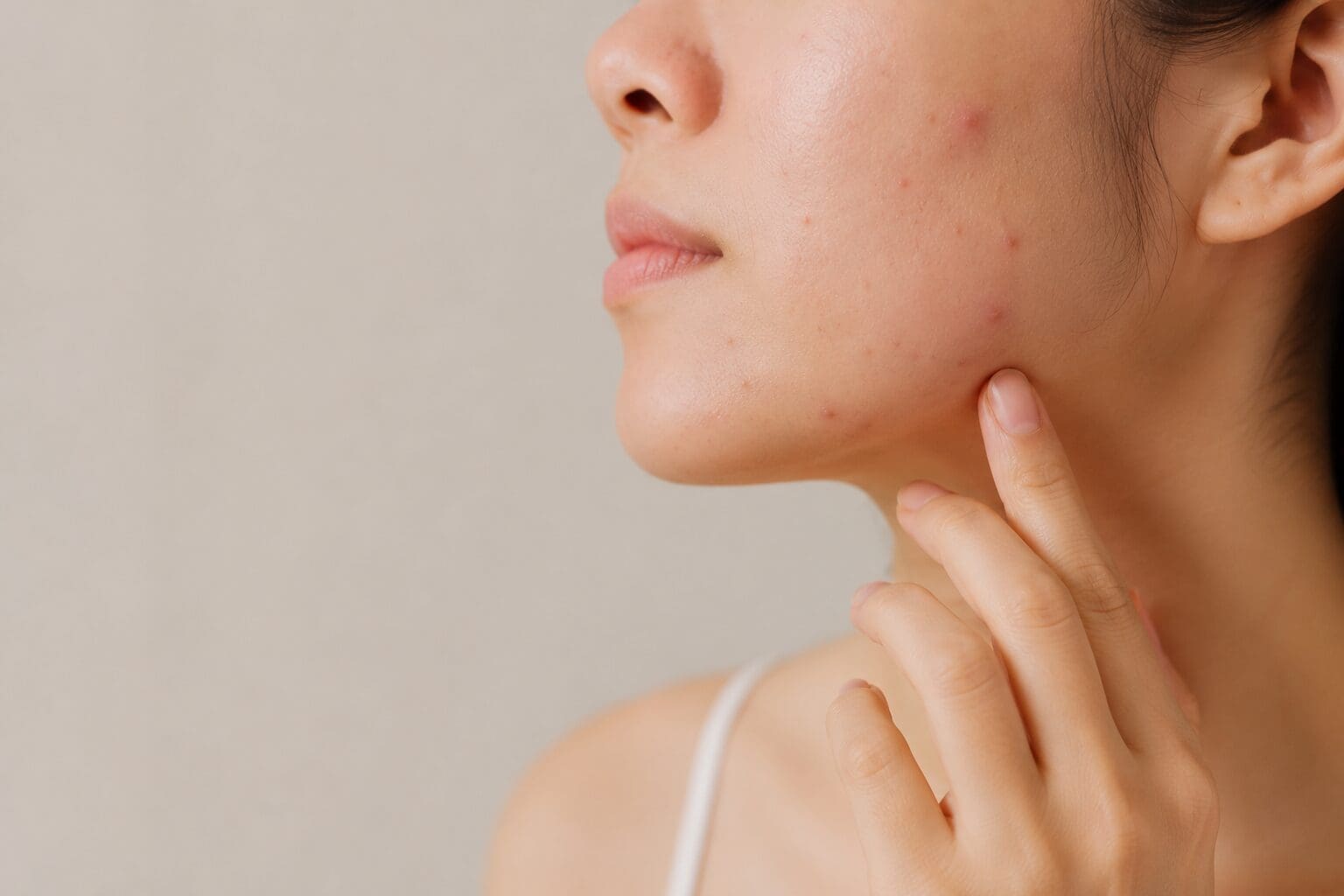
If you’ve ever asked yourself, “why do I keep getting acne in the same spot?”, you’re certainly not alone. Many people experience recurring pimples that seem to appear in the exact same location repeatedly, even after they have healed. Whether it’s a stubborn blemish on your chin, jawline, cheeks, forehead, or nose, recurring acne can be both frustrating and confusing.
Unlike occasional breakouts that appear randomly, recurring acne often develops because something beneath the skin continues to trigger inflammation. In many cases, the pore never completely clears, or the underlying cause remains unchanged, allowing the blemish to return time and time again.
The good news is that understanding why do I keep getting acne in the same spot is the first step toward improving your skincare routine. Once you identify the possible cause, you can choose products and habits that support clearer, healthier-looking skin over time.
In this guide, we’ll explain why do I keep getting acne in the same spot, discuss the most common causes, and explore practical ways to reduce recurring breakouts while supporting your skin barrier.
Why Do I Keep Getting Acne in the Same Spot?
There isn’t one simple answer to why do I keep getting acne in the same spot. Instead, several factors may contribute to recurring blemishes, and more than one cause can be involved at the same time. According to the American Academy of Dermatology, acne develops when pores become clogged with oil, dead skin cells, and bacteria, leading to inflammation and breakouts.
Some of the most common reasons include:
- Clogged pores that never fully clear
- Excess oil production
- Hormonal fluctuations
- Deep inflammation beneath the skin
- Repeated irritation
- Touching or picking at the same area
- Product buildup
- Certain skincare products
Understanding these triggers can help you develop a routine that targets the underlying issue instead of only treating individual pimples.
1. The Pore May Never Fully Heal
One of the biggest reasons people wonder why do I keep getting acne in the same spot is that the original clogged pore may never completely resolve.
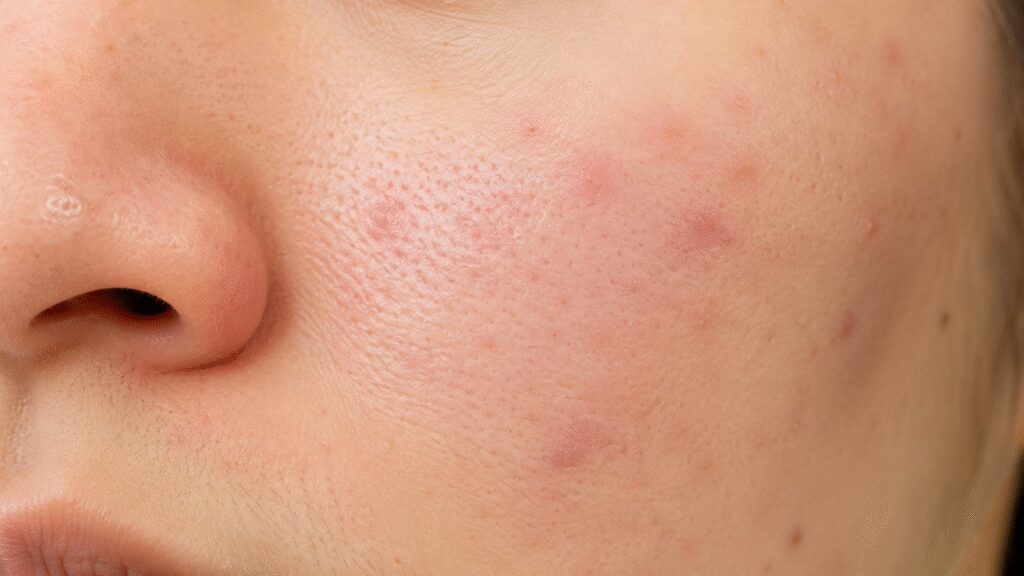
Even when a pimple appears to disappear, the follicle underneath the skin may still contain:
- Excess oil
- Dead skin cells
- Bacteria
- Residual inflammation
Because the blockage remains beneath the surface, another pimple can develop in exactly the same location weeks later.
This cycle often explains why recurring acne tends to affect the same areas of the face repeatedly.
2. Hormonal Changes
Hormones are one of the most common causes of recurring acne.
Hormonal fluctuations can stimulate sebaceous glands to produce more oil, increasing the likelihood of clogged pores and inflammation.
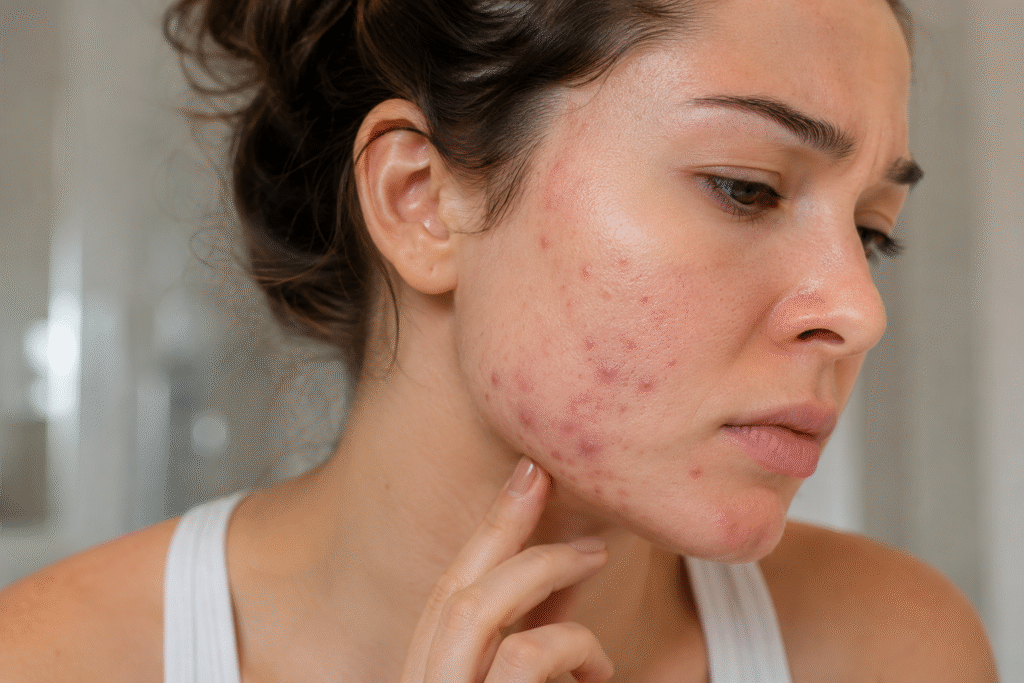
Many people notice recurring pimples:
- Before their menstrual cycle
- During puberty
- During periods of high stress
- During pregnancy
- Around menopause
If you’ve been asking why do I keep getting acne in the same spot, especially around the chin or jawline, hormones may be playing a significant role.
Hormonal breakouts often occur in predictable locations and may return around the same time each month.
3. Excess Oil Production
Your skin naturally produces sebum to protect and lubricate the skin barrier.
However, excessive oil production can increase the risk of clogged pores.
When too much oil mixes with dead skin cells, it creates an environment where acne can develop repeatedly.

Common oily areas include:
- Forehead
- Nose
- Chin
- Jawline
This is one reason recurring acne often develops within the T-zone.
Managing excess oil without stripping the skin is an important part of preventing future breakouts.
4. Dead Skin Cell Buildup
Your skin continuously sheds dead skin cells throughout the day.
Normally, these cells are removed naturally.
However, when they accumulate faster than they can shed, they may contribute to clogged pores.
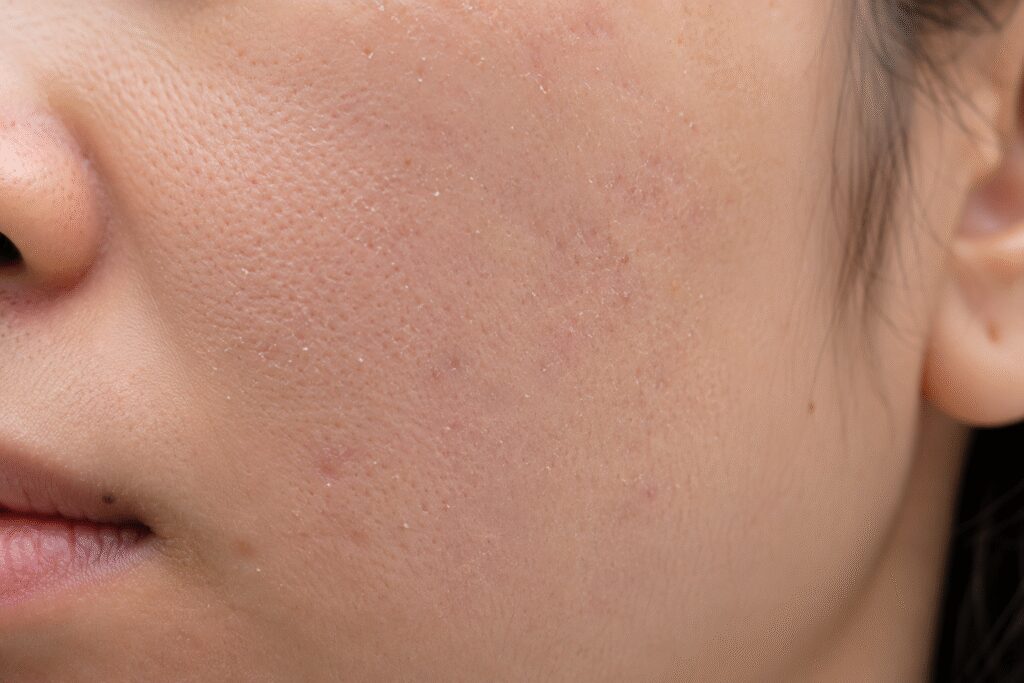
Dead skin buildup can lead to:
- Rough texture
- Congestion
- Whiteheads
- Blackheads
- Recurring pimples
Many people asking why do I keep getting acne in the same spot actually have persistent congestion within the same pore.
Gentle exfoliation may help remove surface buildup while supporting smoother-looking skin.
5. Deep Cystic Acne
Not all acne develops on the skin’s surface.
Some pimples begin much deeper beneath the skin.
Cystic acne often develops when inflammation occurs deep within the follicle.
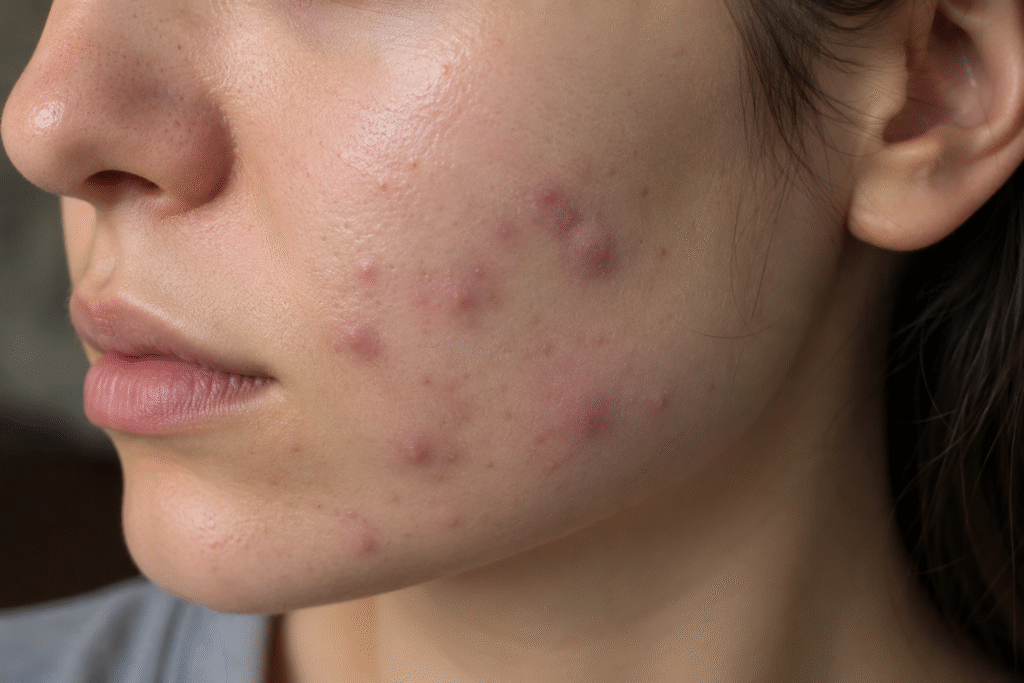
Characteristics include:
- Painful bumps
- Swelling
- No visible whitehead
- Long healing time
- Recurring inflammation
Because these deeper blemishes heal slowly, they may repeatedly flare in the same location.
Attempting to squeeze cystic acne usually increases irritation and may prolong healing.
6. Touching Your Face Frequently
Many people unknowingly touch the same parts of their face throughout the day.
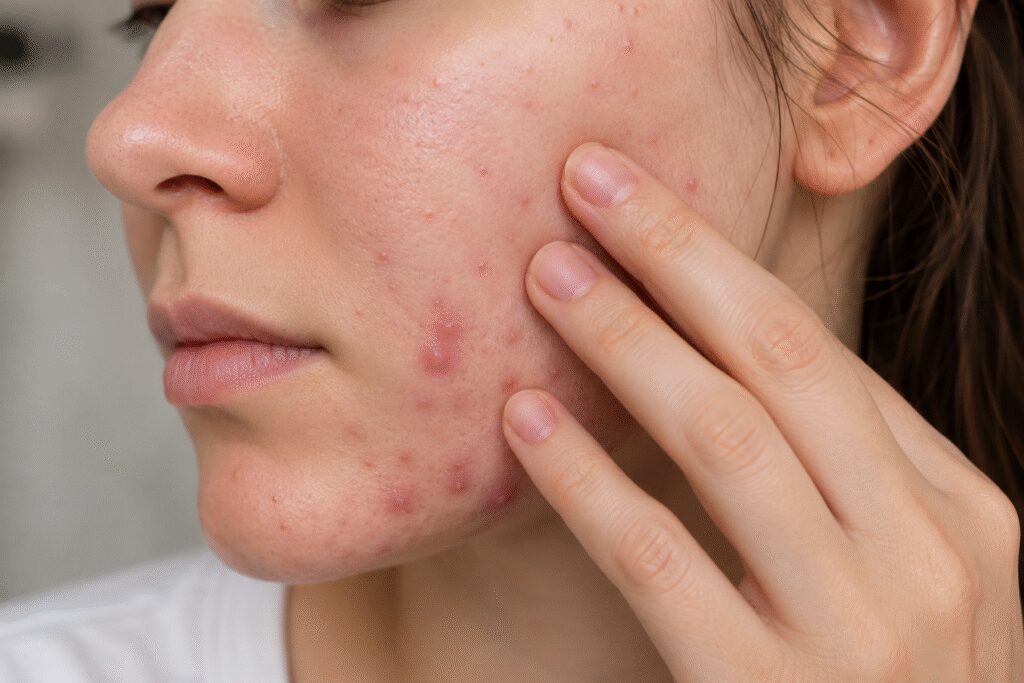
Examples include:
- Resting your chin on your hand
- Holding your phone against your cheek
- Frequently rubbing your face
- Picking at existing pimples
These habits may transfer oil, bacteria, and debris to the skin while increasing irritation.
Repeated friction may also contribute to inflammation around already sensitive pores.
Breaking these habits can support healthier skin over time.
7. Picking at Pimples
Another answer to why do I keep getting acne in the same spot is repeated picking.
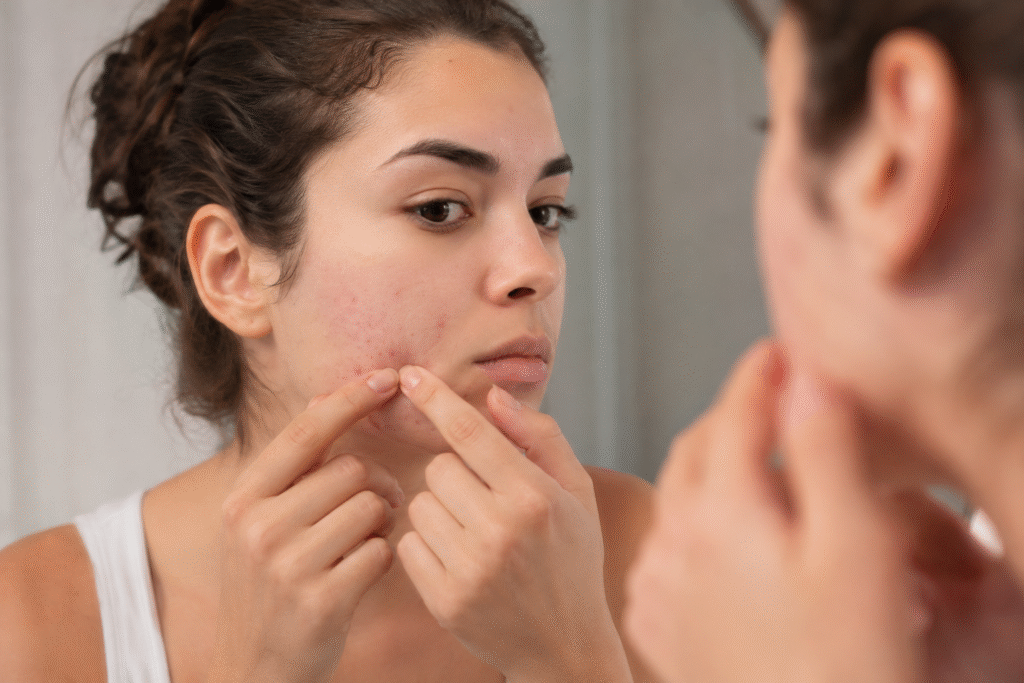
Although it may feel satisfying to squeeze a pimple, doing so can:
- Push debris deeper into the pore
- Damage surrounding tissue
- Increase inflammation
- Delay healing
- Increase the chance of scarring
In some cases, repeated picking prevents the follicle from healing completely, allowing future blemishes to develop in the exact same location.
8. Product Buildup
Skincare and makeup products can sometimes contribute to recurring breakouts if they are not thoroughly removed.
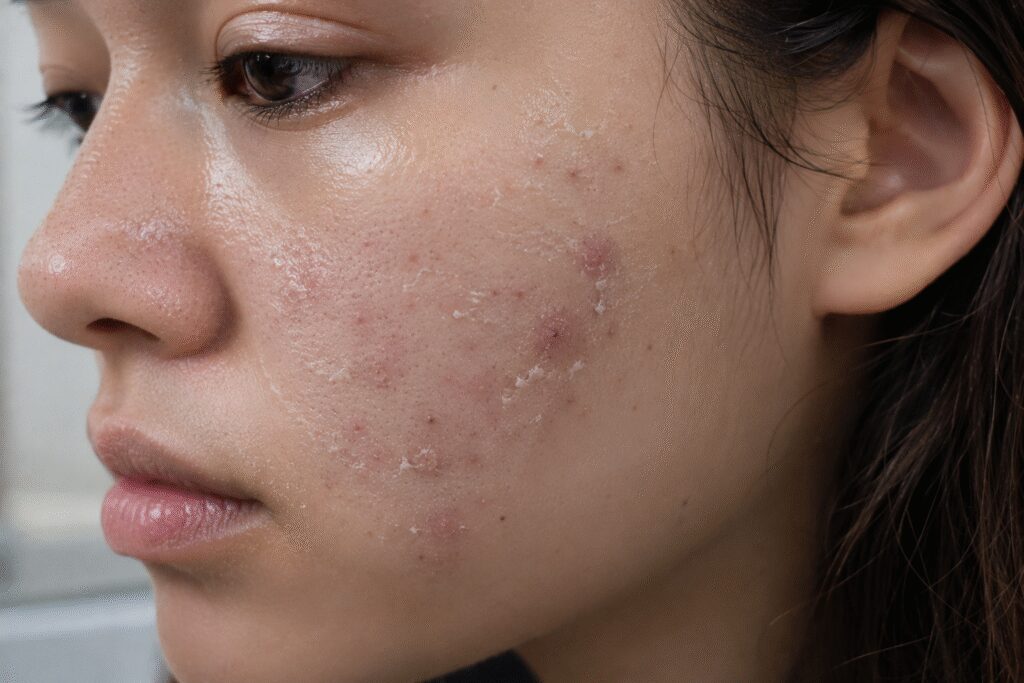
Residue from heavy products may combine with:
- Sweat
- Sebum
- Dead skin cells
- Environmental pollutants
This buildup can create congestion that repeatedly affects the same pore.
Double cleansing at night may help remove sunscreen, makeup, and daily impurities more effectively.
Common Areas Where Acne Returns
Different facial areas may suggest different contributing factors.
Chin
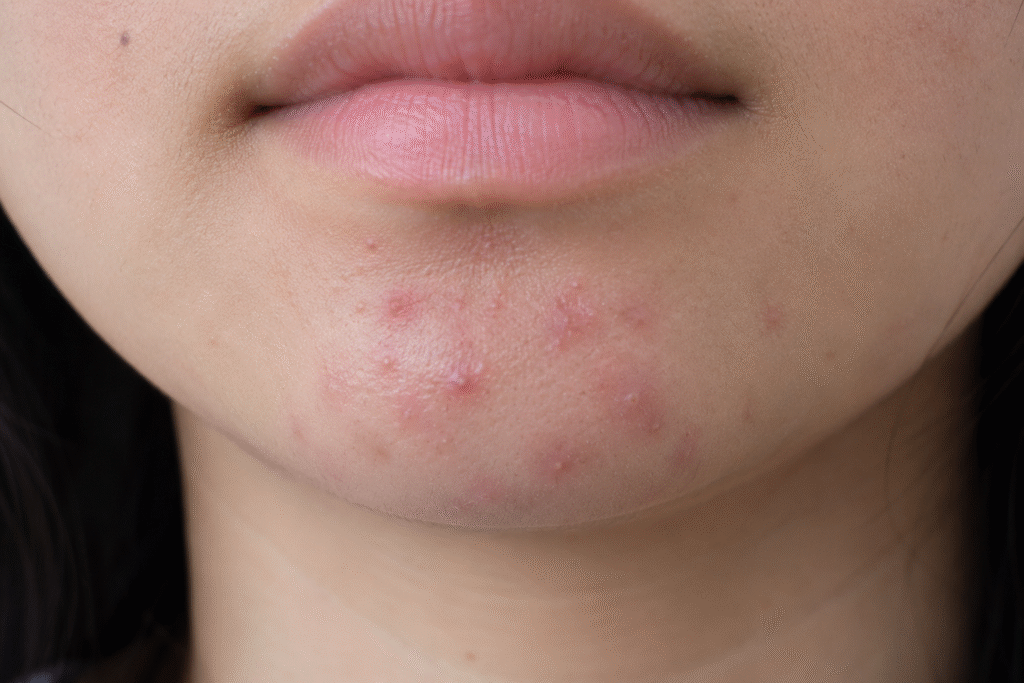
Often associated with:
- Hormonal changes
- Touching the face
- Stress
Jawline
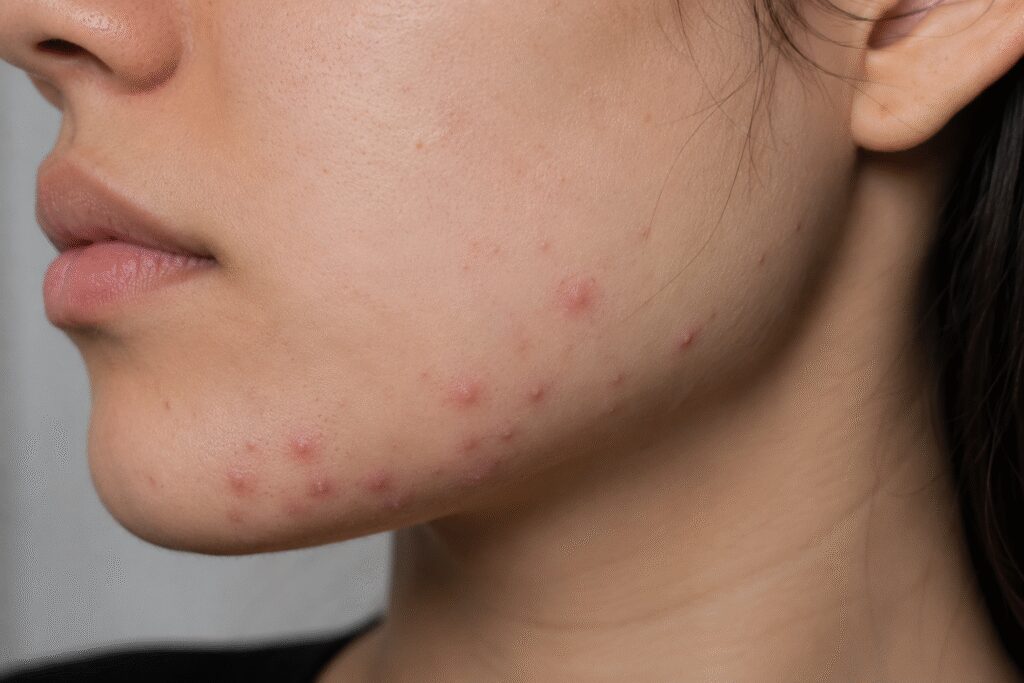
Frequently linked to:
- Hormonal fluctuations
- Deep cystic acne
- Persistent inflammation
Nose
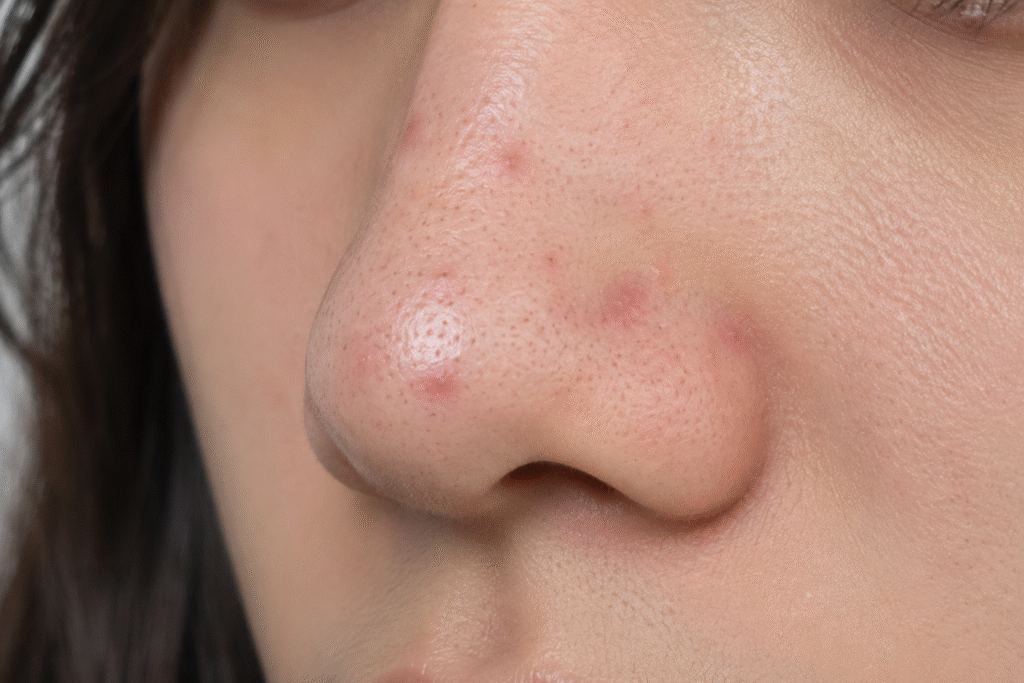
Commonly experiences:
- Excess oil
- Blackheads
- Enlarged pores
Forehead
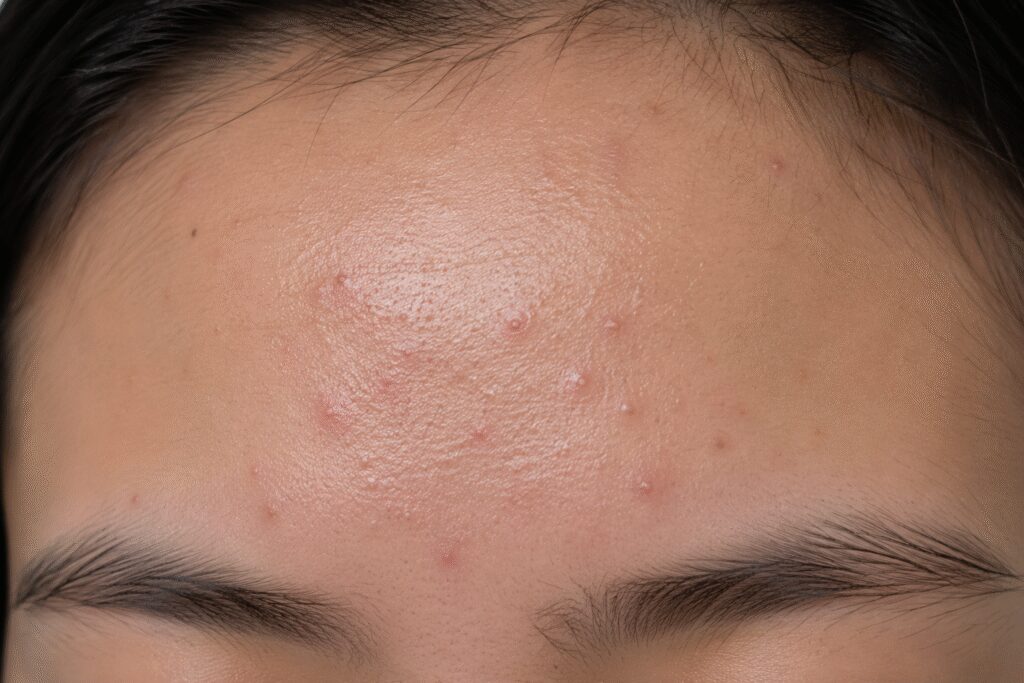
May be influenced by:
- Hair products
- Sweat
- Hats
- Oil production
Cheeks
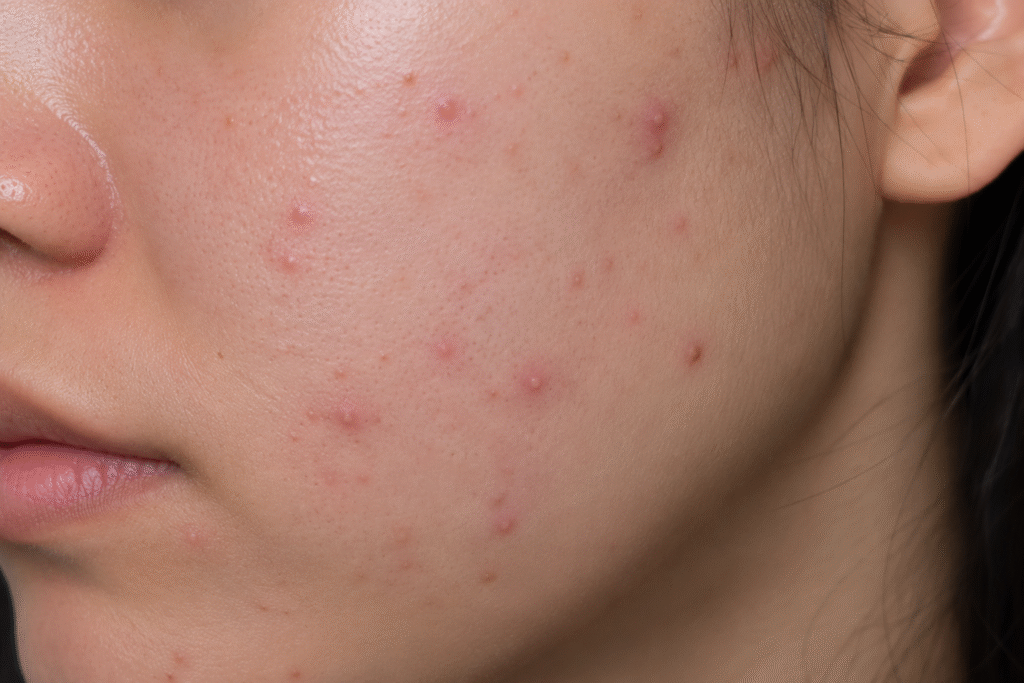
Possible contributors include:
- Dirty pillowcases
- Mobile phones
- Makeup brushes
- Friction
Understanding where your acne develops may help identify patterns that contribute to recurring breakouts.
Ingredients That May Help Support Clearer Skin
While no ingredient can guarantee that acne will never return, several skincare ingredients are commonly used in routines designed for acne-prone skin.
Salicylic Acid
Salicylic acid is a beta hydroxy acid (BHA) that works within pores.
It may help address:
- Excess oil
- Blackheads
- Congestion
- Dead skin buildup
Many people with recurring acne include salicylic acid as part of their weekly skincare routine.
Niacinamide
Niacinamide is a versatile ingredient suitable for many skin types.
Potential benefits include:
- Supporting the skin barrier
- Improving oil balance
- Reducing the appearance of redness
- Promoting smoother-looking skin
Because it is generally well tolerated, niacinamide is commonly paired with other acne-focused ingredients.
Retinoids
Retinoids support normal skin cell turnover.
Over time, they may help improve:
- Skin texture
- Congestion
- Overall skin clarity
Consistent use may reduce the likelihood of clogged pores that contribute to recurring breakouts.
Benzoyl Peroxide
Benzoyl peroxide is commonly included in acne-focused skincare routines.
It may help reduce acne-causing bacteria on the skin while supporting clearer-looking pores.
Because it can be drying for some individuals, many people begin with lower concentrations and gradually increase use as tolerated.
Morning Skincare Routine for Recurring Acne
If you’re constantly wondering why do I keep getting acne in the same spot, consistency is often more important than using numerous products. A simple routine that focuses on cleansing, hydration, and protecting the skin barrier may help reduce recurring breakouts over time.
Step 1: Gentle Cleanser
Start your morning by cleansing away excess oil and impurities that accumulate overnight without stripping your skin of essential moisture.
Step 2: Niacinamide Serum
Apply a niacinamide serum to help support oil balance, strengthen the skin barrier, and improve the overall appearance of acne-prone skin.
Step 3: Lightweight Moisturizer
Hydration is important for every skin type, including oily skin. A lightweight moisturizer helps maintain moisture balance and supports healthy barrier function.
Step 4: Sunscreen
Finish with a broad-spectrum sunscreen every morning. UV exposure may worsen post-acne marks and contribute to skin irritation, making recovery take longer.
Evening Skincare Routine for Recurring Acne
Nighttime is when your skin naturally begins its repair process, making it an ideal time to incorporate treatment products.
Step 1: Gentle Cleanser
Remove sunscreen, makeup, excess oil, and daily buildup before applying treatment products.
Step 2: Acne Treatment
Depending on your skin’s needs, consider ingredients such as:
- Salicylic acid
- Retinoids
- Benzoyl peroxide
These ingredients may help reduce congestion and support clearer-looking skin when used consistently.
Step 3: Moisturizer
Finish with a moisturizer to help maintain hydration and support the skin barrier overnight.
Common Mistakes That Can Cause Acne to Return
Sometimes recurring acne isn’t caused by your skin alone—it may also be influenced by daily habits. If you’ve been asking why do I keep getting acne in the same spot, consider whether any of these common mistakes apply to your routine.
- Picking or squeezing pimples
- Over-exfoliating the skin
- Skipping moisturizer
- Sleeping with makeup on
- Frequently touching your face
- Using dirty makeup brushes
- Not cleaning your phone regularly
- Switching skincare products too often
- Applying heavy or pore-clogging products
- Being inconsistent with your skincare routine
Making small adjustments to these habits may help reduce the likelihood of recurring breakouts.
How to Help Prevent Acne From Returning
While acne cannot always be prevented completely, healthy skincare habits can reduce the chances of recurring blemishes.
Some helpful practices include:
- Cleanse your face twice daily.
- Remove makeup before going to bed.
- Change pillowcases regularly.
- Wash makeup brushes frequently.
- Avoid picking at pimples.
- Use non-comedogenic skincare products whenever possible.
- Wear sunscreen every day.
- Keep your skincare routine consistent.
- Manage stress through healthy lifestyle habits.
- Be patient, as visible improvements often take several weeks.
Small, consistent changes often have a greater impact than constantly introducing new products.
If you’re looking to build a simple, consistent routine that supports healthier-looking skin, check out our guide on Top Skincare Trends 2026: Hydration, Barrier, Minimalism. It explores why barrier-focused skincare and minimalist routines are becoming popular for maintaining balanced, resilient skin.
Frequently Asked Questions
One of the most common reasons recurring acne returns is that the pore never completely clears beneath the surface. Even after a blemish appears healed, trapped oil, dead skin cells, bacteria, or lingering inflammation may remain inside the follicle. Hormonal fluctuations, frequent touching, and repeated irritation can also contribute to acne developing in exactly the same location. Addressing the underlying cause rather than only treating individual pimples may help reduce future breakouts.
Yes. Hormonal acne commonly develops along the chin, jawline, and lower cheeks because these areas are more sensitive to hormonal fluctuations that increase oil production. Many people notice these breakouts returning around the same time each month or during periods of increased stress. Although hormones cannot always be controlled, a consistent skincare routine may help support healthier-looking skin.
Picking or squeezing pimples can prolong inflammation, damage the surrounding skin, and push debris deeper into the pore. This may delay healing and increase the likelihood of another blemish forming in the same location. Repeated picking can also increase the risk of post-acne marks and scarring, making the affected area more difficult to manage over time.
Several ingredients are commonly included in skincare routines for acne-prone skin. Salicylic acid helps exfoliate within pores and reduce congestion, niacinamide supports oil balance and the skin barrier, retinoids promote healthy skin cell turnover, and benzoyl peroxide helps reduce acne-causing bacteria on the skin. Choosing products that suit your skin type and using them consistently is often more effective than frequently changing routines.
The timeline varies depending on the underlying cause, your skin type, and the consistency of your routine. Some people notice improvements within four to six weeks, while more stubborn or hormonal acne may require several months of regular skincare before significant changes become visible. Patience is essential, as the skin needs time to complete multiple renewal cycles before lasting improvements are seen.
Final Thoughts
If you’ve been asking yourself why do I keep getting acne in the same spot, remember that recurring breakouts are often caused by a combination of clogged pores, excess oil production, hormonal changes, inflammation, and everyday habits. Instead of focusing only on individual pimples, aim to support your skin with a gentle, consistent routine that keeps pores clear, protects the skin barrier, and maintains healthy hydration.
With patience and the right skincare approach, you can reduce the likelihood of recurring blemishes and achieve a clearer, healthier-looking complexion over time.