
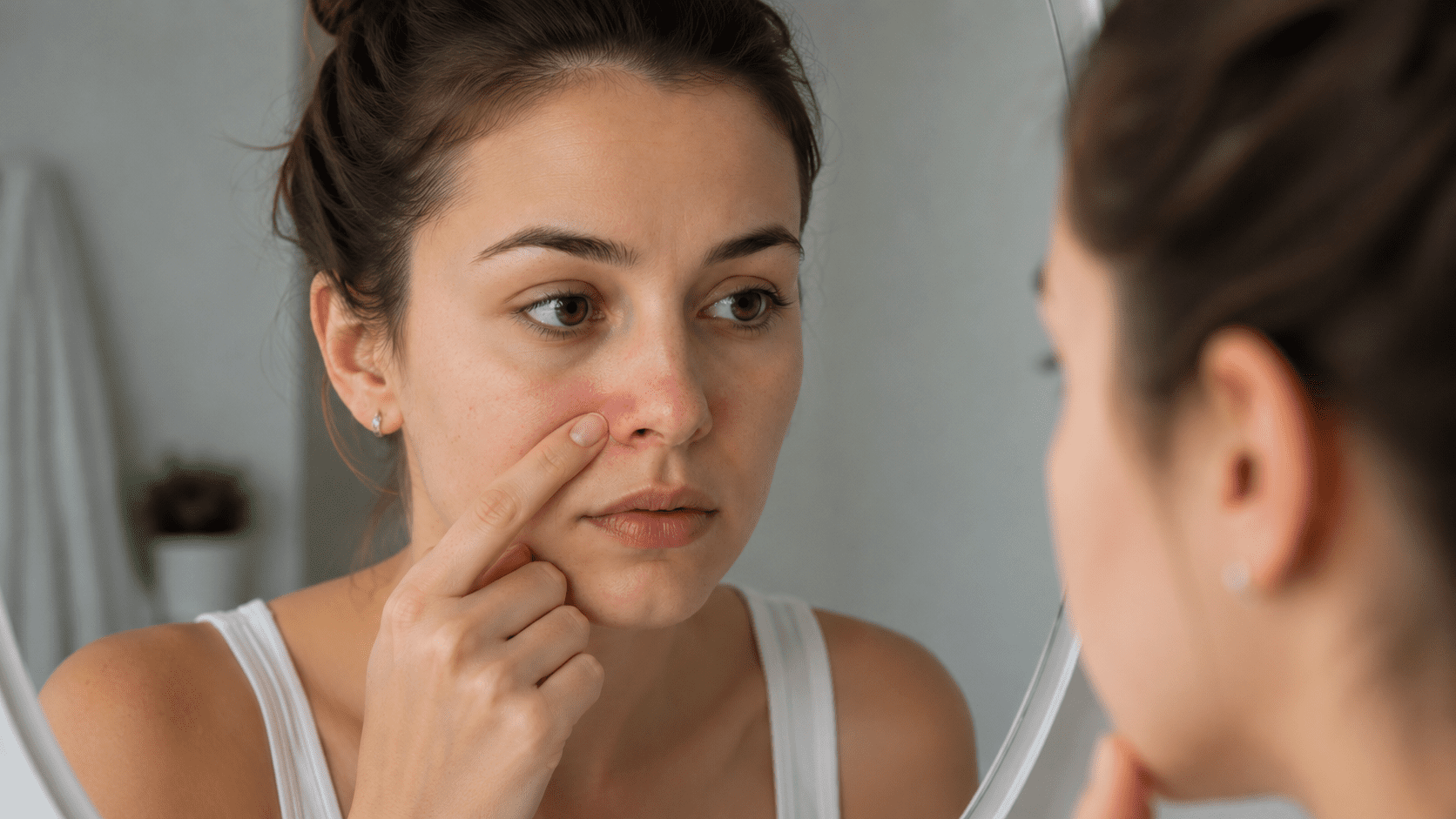
Redness around the nose is a common skincare concern that affects people of all ages and skin types. It can appear after washing your face, during cold weather, after a breakout, or seemingly without any obvious reason. While occasional redness is often temporary, persistent redness may indicate an underlying skin condition or irritation that deserves attention.
If you’ve been searching for how to get rid of redness around nose, you’re not alone. This issue can make skin appear uneven, irritated, or inflamed, affecting your confidence even when the rest of your complexion looks healthy. Many people also look for how to get rid of redness around the nose, especially when flare-ups cluster near the nostrils.
The good news is that many cases of redness around the nose can be improved with a gentle skincare routine, the right ingredients, and lifestyle adjustments. Understanding what’s causing the redness is the first step toward finding an effective solution.
In this guide, you’ll learn the most common causes of redness around the nose, how to identify potential triggers, and what treatments may help restore a calmer, healthier-looking complexion.
Why Does Redness Around the Nose Happen?

Before learning how to get rid of redness around nose, it’s important to understand why it occurs in the first place. The skin surrounding the nostrils is relatively delicate and constantly exposed to friction, environmental changes, and natural oils.
Several factors can contribute to persistent or temporary redness.
Dry Skin and Dehydration
One of the most common causes is dry or dehydrated skin. When the skin barrier becomes compromised, moisture escapes more easily, leaving the skin irritated and inflamed.
Common signs include:
- Flaky skin
- Tightness after cleansing
- Rough patches
- Mild itching
- Redness concentrated around the nostrils
Dry indoor heating during winter and excessive air conditioning may make symptoms worse.
Irritation From Skincare Products
Many skincare products contain ingredients that can irritate sensitive skin, especially around the nose.
Potential irritants include:
- Alcohol-based toners
- Strong exfoliating acids
- Overuse of retinoids
- Fragrances
- Essential oils
- Harsh cleansers
Using too many active ingredients at once may weaken your skin barrier, leading to increased redness and sensitivity.
Allergic Reactions
Sometimes redness develops after using a new cosmetic or skincare product.
Possible signs include:
- Burning sensation
- Swelling
- Itching
- Rash
- Persistent redness
Patch testing new products before applying them to your face can help reduce the risk of irritation.
Frequent Nose Blowing
If you’ve recently had a cold, allergies, or sinus infection, repeated nose blowing can cause friction around the nostrils.
The constant rubbing may lead to:
- Broken skin
- Redness
- Peeling
- Tenderness
If you’re focused on how to get rid of red around nose after a cold, using soft tissues and applying a fragrance-free moisturizer afterward may help minimize irritation.
Weather Changes
Environmental conditions often affect the appearance of facial redness.
Cold weather may:
- Reduce skin moisture
- Increase dryness
- Damage the skin barrier
Hot weather may:
- Dilate blood vessels
- Increase facial flushing
- Trigger redness
Wind exposure can also irritate already sensitive skin.
Rosacea
Persistent redness around the nose and cheeks may be associated with rosacea. According to the National Rosacea Society, persistent redness around the nose and cheeks is one of the hallmark symptoms of rosacea.
Additional symptoms may include:
- Visible blood vessels
- Facial flushing
- Small bumps resembling acne
- Burning or stinging sensations
Rosacea usually requires long-term management and may benefit from evaluation by a dermatologist.
Seborrheic Dermatitis
Seborrheic dermatitis commonly affects areas with a higher concentration of oil glands, including the sides of the nose.
Symptoms often include:
- Red patches
- Greasy scales
- White or yellow flakes
- Mild itching
This condition may come and go over time and often requires targeted treatment.
Is Redness Around the Nose Temporary or Chronic?
Not all redness has the same cause.
Temporary redness often improves within a few hours or days after removing the trigger.
Examples include:
- Cold weather exposure
- Exercise
- Hot showers
- Spicy foods
- Temporary skin irritation
- Mild dehydration
Persistent redness, however, may continue for weeks or months and usually indicates an underlying issue that needs ongoing care.
If redness repeatedly returns despite changing your skincare routine, it’s worth investigating further.
Common Symptoms That May Accompany Redness
People looking for how to get rid of redness around nose often experience additional symptoms that provide clues about the underlying cause.
These may include:
- Dryness
- Flaking
- Itching
- Burning
- Stinging
- Tightness
- Small bumps
- Visible blood vessels
- Oily patches
- Sensitive skin
Keeping track of when these symptoms occur can help identify possible triggers.
Who Is More Likely to Experience Redness Around the Nose?
Although anyone can develop redness around the nose, certain individuals may be more susceptible.
Risk factors include:
- Sensitive skin
- Dry skin
- Rosacea
- Eczema
- Seasonal allergies
- Frequent exposure to cold weather
- Overuse of exfoliating products
- Chronic sinus problems
- Use of harsh skincare products
People with a weakened skin barrier are generally more prone to irritation and inflammation.
Can Lifestyle Habits Make Redness Worse?
Yes. Daily habits often play a larger role than many people realize.
Common triggers include:
- Washing your face with very hot water
- Scrubbing the skin aggressively
- Using too many active ingredients at once
- Forgetting moisturizer
- Skipping sunscreen
- Smoking
- High stress levels
- Poor sleep
- Excessive alcohol consumption
Making small adjustments to your routine may significantly improve skin comfort over time.
When Should You Be Concerned?
Occasional redness is usually harmless.
However, you should consider seeing a healthcare professional if redness:
- Lasts for several weeks
- Becomes increasingly painful
- Develops open sores
- Produces pus or drainage
- Spreads rapidly
- Is accompanied by severe itching or swelling
- Doesn’t improve with gentle skincare
Persistent redness may indicate an underlying medical condition requiring proper diagnosis and treatment.
How to Get Rid of Redness Around Nose
Now that you understand the possible causes, it’s time to explore how to get rid of redness around nose using a skincare routine that supports the skin barrier while reducing irritation. The best approach depends on what’s causing the redness, but gentle, consistent care is often the key to noticeable improvement.
Step 1: Switch to a Gentle Cleanser
Cleansing is the foundation of any skincare routine, but using the wrong cleanser can worsen redness.

Look for a cleanser that is:
- Fragrance-free
- Sulfate-free
- pH-balanced
- Designed for sensitive skin
- Non-stripping
Avoid cleansers that leave your skin feeling tight or squeaky clean, as these may remove too much of the skin’s natural moisture.
Cleanse your face twice daily using lukewarm water rather than hot water.
Step 2: Moisturize Daily
One of the simplest ways to support irritated skin is by restoring moisture.

A quality moisturizer helps:
- Strengthen the skin barrier
- Reduce moisture loss
- Improve skin comfort
- Minimize dryness-related redness
Look for moisturizers containing:
- Ceramides
- Glycerin
- Hyaluronic acid
- Squalane
- Panthenol
Apply moisturizer immediately after cleansing while the skin is still slightly damp.
Step 3: Wear Sunscreen Every Morning
Sun exposure can worsen inflammation and make existing redness more noticeable.

Choose a broad-spectrum sunscreen that offers:
- SPF 30 or higher
- Broad UVA and UVB protection
- A lightweight formula suitable for your skin type
Mineral sunscreens containing zinc oxide or titanium dioxide are often well tolerated by people with sensitive skin.
If you’re researching how to get rid of redness around nose, sunscreen should become a non-negotiable part of your daily routine.
Step 4: Introduce Soothing Ingredients
Several skincare ingredients are known for their calming properties.

Niacinamide
Niacinamide is one of the most recommended ingredients for redness-prone skin.
It may help support:
- Skin barrier function
- Oil balance
- More even-looking skin tone
- Improved skin texture
Many people tolerate concentrations between 2% and 5% well.
Centella Asiatica
Also known as cica, Centella Asiatica has become popular in products designed for sensitive skin.
Potential benefits include:
- Supporting skin recovery
- Reducing the appearance of irritation
- Improving skin comfort
It pairs well with hydrating ingredients.
Aloe Vera
Pure aloe vera gel may provide temporary cooling and hydration for mildly irritated skin.
Look for products without added alcohol or fragrances.
Oat Extract
Colloidal oatmeal is commonly used in products for dry and sensitive skin.
It may help:
- Calm irritation
- Relieve dryness
- Support the skin barrier
Step 5: Be Careful With Active Ingredients
Active ingredients can improve many skin concerns, but introducing them too quickly may increase irritation.

If you’re using:
- Retinoids
- Glycolic acid
- Salicylic acid
- Benzoyl peroxide
Start slowly.
For example:
- Use once or twice per week initially.
- Gradually increase frequency if your skin tolerates it.
- Avoid combining multiple strong actives in the same routine unless recommended by a dermatologist.
A damaged skin barrier often makes redness worse rather than better.
Daily Skincare Routine for Redness Around the Nose
Following a simple routine may help improve skin comfort over time.
Morning Routine
- Gentle cleanser
- Hydrating serum (optional)
- Moisturizer
- Broad-spectrum sunscreen SPF 30+
Evening Routine
- Gentle cleanser
- Treatment product (if needed)
- Moisturizer
Consistency is more important than using many different products.
Home Remedies That May Help
If your redness is mild, several home care strategies may provide temporary relief.
Apply a Cool Compress
A clean, cool washcloth placed over the affected area for several minutes may help reduce temporary flushing.
Avoid using ice directly on the skin.
Increase Indoor Humidity
Dry indoor air can worsen irritation.
Using a humidifier during colder months may help prevent excessive moisture loss.
Stay Hydrated
Drinking enough water supports overall skin health.
Although hydration alone won’t eliminate redness, it contributes to healthier-looking skin.
Avoid Overwashing
Washing your face too frequently can weaken the skin barrier.
Most people only need to cleanse:
- Morning
- Evening
- After heavy sweating
Foods That May Trigger Facial Redness
Certain foods may trigger flushing in susceptible individuals.
Common triggers include:
- Spicy foods
- Alcohol
- Very hot beverages
- Excess caffeine
Not everyone reacts the same way, so consider keeping a symptom journal to identify personal triggers.
Mistakes That Can Make Redness Worse
People trying how to get rid of redness around nose sometimes unintentionally make the problem worse.
Avoid these common mistakes:
Over-Exfoliating
Using scrubs or chemical exfoliants too often may increase irritation and weaken the skin’s protective barrier. When the barrier becomes compromised, the skin may become more sensitive, leading to redness, dryness, stinging, and increased discomfort especially around the nose.
If you’re experiencing these symptoms, our Over Exfoliated Skin: Signs, Causes, and Why It Happens guide explains how to recognize an over-exfoliated skin barrier, what causes it, and the steps you can take to help your skin recover safely.
Most people only need chemical exfoliation one to three times per week, depending on their skin type, the strength of the exfoliating product, and how well their skin tolerates active ingredients. Using exfoliants more frequently isn’t always better and may increase the risk of irritation rather than improve results.
Picking or Scratching
Touching irritated skin repeatedly may increase inflammation and delay recovery.
Using Harsh Towels
Pat your skin dry with a soft towel rather than rubbing vigorously.
Skipping Moisturizer
Even oily skin benefits from proper hydration.
Without enough moisture, the skin barrier may become compromised, leading to increased redness.
Trying Too Many Products at Once
Introducing multiple new products simultaneously makes it difficult to determine which one is helping—or causing irritation.
Add new products one at a time and allow at least two weeks to assess how your skin responds.
Medical Treatments for Persistent Redness
If you’ve tried improving your skincare routine but still struggle with redness, a dermatologist can help identify the underlying cause and recommend appropriate treatment.
Depending on the diagnosis, medical treatments may include:
- Prescription anti-inflammatory creams
- Topical medications for rosacea
- Antifungal creams for seborrheic dermatitis
- Prescription barrier repair moisturizers
- Laser or light therapies for visible blood vessels
These treatments are typically reserved for cases where over-the-counter skincare products are not enough.
Can Redness Around the Nose Be Prevented?
While it may not always be possible to prevent redness entirely, adopting healthy skincare habits can significantly reduce flare-ups.
Prevention tips include:
- Cleanse with a gentle, fragrance-free cleanser.
- Moisturize twice daily.
- Wear sunscreen every day.
- Avoid over-exfoliating.
- Limit very hot showers.
- Protect your skin during cold or windy weather.
- Introduce new skincare products gradually.
- Stay hydrated.
- Manage stress whenever possible.
Small, consistent habits often produce better long-term results than aggressive treatments.
Best Ingredients for Redness-Prone Skin
If you’re shopping for skincare products, look for formulas containing ingredients known to support the skin barrier and calm irritation.
| Ingredient | Benefits |
|---|---|
| Niacinamide | Helps improve skin barrier function and reduce the appearance of redness. |
| Ceramides | Strengthen the skin barrier and help prevent moisture loss. |
| Hyaluronic Acid | Provides hydration that makes skin appear smoother and healthier. |
| Glycerin | Draws moisture into the skin and helps relieve dryness. |
| Panthenol | Supports skin repair while soothing irritation. |
| Colloidal Oatmeal | Helps calm sensitive or itchy skin. |
| Centella Asiatica | Supports recovery and improves skin comfort. |
| Squalane | Lightweight moisturizer that helps prevent dryness without feeling greasy. |
Ingredients to Use With Caution
Some ingredients aren’t necessarily bad, but they may worsen redness if overused or introduced too quickly.
These include:
- High-strength retinoids
- Glycolic acid
- Salicylic acid
- Benzoyl peroxide
- Alcohol-based toners
- Highly fragranced products
- Physical scrubs
If your skin is already irritated, it’s often best to focus on repairing the skin barrier before adding stronger active ingredients.
When Should You See a Dermatologist?
Occasional redness isn’t usually a cause for concern, but professional evaluation is recommended if you notice:
- Redness lasting longer than several weeks
- Frequent flare-ups without an obvious trigger
- Burning or painful skin
- Visible broken blood vessels
- Thickened skin
- Recurring rash
- Crusting or oozing
- Severe itching
A dermatologist can determine whether conditions such as rosacea, eczema, seborrheic dermatitis, contact dermatitis, or allergies are contributing to your symptoms.
Frequently Asked Questions
Yes. If dryness or a weakened skin barrier is contributing to redness, a moisturizer containing ceramides, glycerin, or hyaluronic acid may help improve skin comfort and reduce irritation over time.
Dehydrated skin may become more sensitive, tight, and irritated, making redness appear more noticeable. Proper hydration and barrier-supporting skincare can help improve the skin’s overall appearance.
No. While rosacea is one possible cause, redness may also result from dry skin, allergies, seborrheic dermatitis, irritation from skincare products, weather changes, or frequent nose blowing.
Yes. Daily sunscreen helps protect the skin from UV damage, which can worsen redness and prolong inflammation. Choose a broad-spectrum SPF 30 or higher and reapply as directed when spending time outdoors.
The timeline varies depending on the cause. Mild irritation may improve within a few days after removing the trigger, while chronic conditions may require several weeks of consistent skincare or medical treatment before noticeable improvement occurs.
Quick Daily Checklist
If you’re trying how to get rid of redness around nose, follow this simple daily routine:
☐ Wash your face with a gentle cleanser.
☐ Apply a hydrating moisturizer.
☐ Wear broad-spectrum sunscreen every morning.
☐ Avoid harsh scrubs and excessive exfoliation.
☐ Introduce active ingredients gradually.
☐ Protect your skin from extreme weather.
☐ Avoid rubbing or picking at irritated skin.
☐ Stay hydrated and maintain healthy lifestyle habits.
Final Thoughts
If you’re wondering how to get rid of redness around nose, remember that there isn’t a one-size-fits-all solution. Redness can result from dry skin, irritation, environmental exposure, allergies, rosacea, seborrheic dermatitis, or a weakened skin barrier. Identifying the underlying cause is the first step toward choosing the right treatment.
For many people searching for how to get rid of redness around nose, the most effective approach is surprisingly simple: use a gentle cleanser, apply a barrier-supporting moisturizer, wear sunscreen daily, and avoid harsh products that may worsen irritation. These habits help create an environment where the skin can recover naturally over time.
It’s also important to be patient. Improvements in skin appearance rarely happen overnight, and trying too many new products at once may slow your progress rather than speed it up. A consistent routine built around hydration, sun protection, and soothing ingredients often delivers the best long-term results.
If you’re still looking for how to get rid of redness around nose after several weeks of consistent care, or if your symptoms become painful, persistent, or begin affecting other areas of your face, don’t hesitate to consult a dermatologist. A professional evaluation can help determine whether an underlying skin condition requires targeted treatment.
With realistic expectations and the right skincare habits, many people find that redness gradually becomes less noticeable, leaving the skin looking calmer, healthier, and more even over time. Whether your redness is temporary or recurring, understanding how to get rid of redness around nose empowers you to make informed choices that support your skin’s overall health and appearance.