
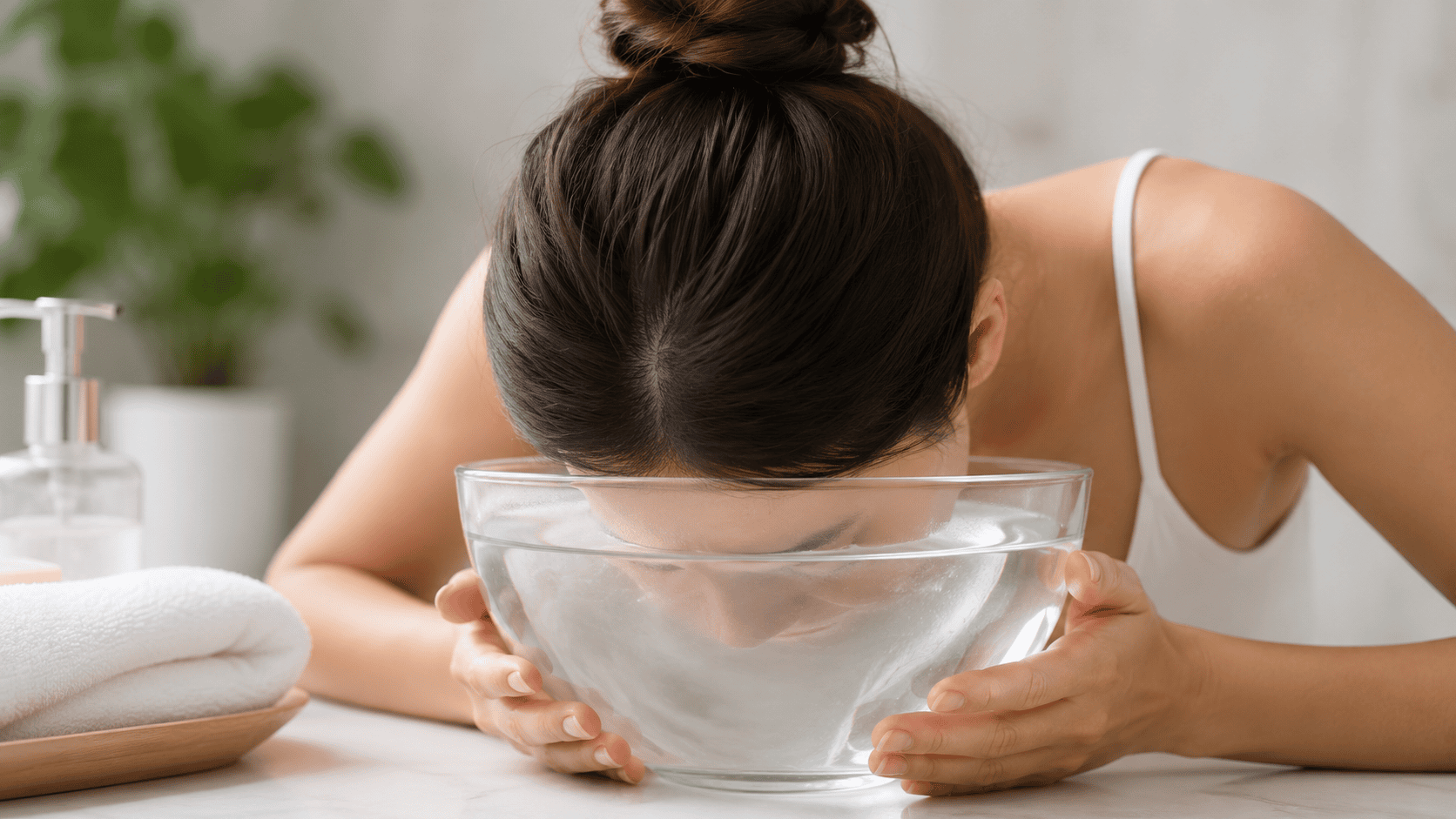
Cold plunges have become increasingly popular in the wellness world, and facial ice baths are no exception. From social media influencers to skincare enthusiasts, many people start their mornings by dipping their face into a bowl of ice water, claiming it instantly refreshes their complexion and reduces puffiness. But what does dipping your face in ice water do, and is it actually beneficial for your skin?
While the sensation of cold water can feel invigorating, the skincare benefits aren’t always as dramatic as they appear online. Ice water affects the skin by temporarily constricting blood vessels, which may reduce swelling and create the appearance of firmer, more refreshed skin. However, the results are usually temporary and should be viewed as one part of a well-rounded skincare routine rather than a miracle treatment.
In this guide, we’ll explore what does dipping your face in ice water do, how cold temperatures interact with your skin, who may benefit from the practice, and what realistic results you can expect.
Why Cold Water Changes the Appearance of Your Skin
When your skin is exposed to cold temperatures, your body naturally reacts by narrowing blood vessels near the surface of the skin. This process, known as vasoconstriction, temporarily reduces blood flow to the treated area.
As a result, you may notice:
- Less visible puffiness
- A temporarily firmer appearance
- Reduced facial swelling
- A refreshed feeling
- A temporary decrease in redness for some individuals
Once your skin gradually returns to its normal temperature, blood flow increases again, and these temporary effects slowly fade.
Understanding this natural response helps answer the question, what does dipping your face in ice water do. Rather than permanently changing your skin, it creates short-term cosmetic effects that many people enjoy before starting their day or applying makeup.
Potential Benefits of Ice Water for Your Face
Although scientific research specifically examining facial ice baths is limited, several temporary benefits are commonly reported. If you’re wondering about the benefits of dipping face in ice water, most reported effects are short-lived and cosmetic.
May Reduce Morning Puffiness
One of the biggest reasons people immerse their face in cold water is to reduce swelling after waking up.
According to the American Academy of Ophthalmology, applying a cool compress can help temporarily reduce puffiness around the eyes by constricting blood vessels and limiting fluid buildup.
Fluid can accumulate in facial tissues overnight due to:
- Sleeping position
- High sodium intake
- Allergies
- Lack of sleep
- Hormonal changes
Cold temperatures may temporarily minimize this puffiness, making the face appear more awake.
If you’ve ever wondered what does dipping your face in ice water do, reducing temporary facial swelling is perhaps its most widely recognized benefit.
Can Create a Refreshed Appearance
Cold water often leaves skin looking fresher immediately afterward.
This refreshed appearance may be especially noticeable before:
- Work meetings
- Special events
- Photography
- Makeup application
- Video calls
Although the effect isn’t permanent, many people appreciate the instant boost it provides.
May Help Calm Temporary Redness
For some individuals, cold temperatures may temporarily reduce the appearance of mild redness associated with irritation or heat exposure.
However, results vary depending on the cause of the redness.
For example:
- Heat-related flushing may improve.
- Temporary irritation may appear calmer.
- Chronic skin conditions may not respond the same way.
It’s important to remember that ice water doesn’t treat the underlying cause of redness.
Provides a Cooling Sensation
Beyond cosmetic improvements, many people simply enjoy how refreshing cold water feels.
A facial ice bath may provide temporary comfort after:
- Exercise
- Spending time outdoors
- Hot weather
- Long workdays
- Wearing makeup for extended periods
The cooling sensation alone can make the practice enjoyable, even if visible skin improvements are modest.
Can Ice Water Make Pores Smaller?
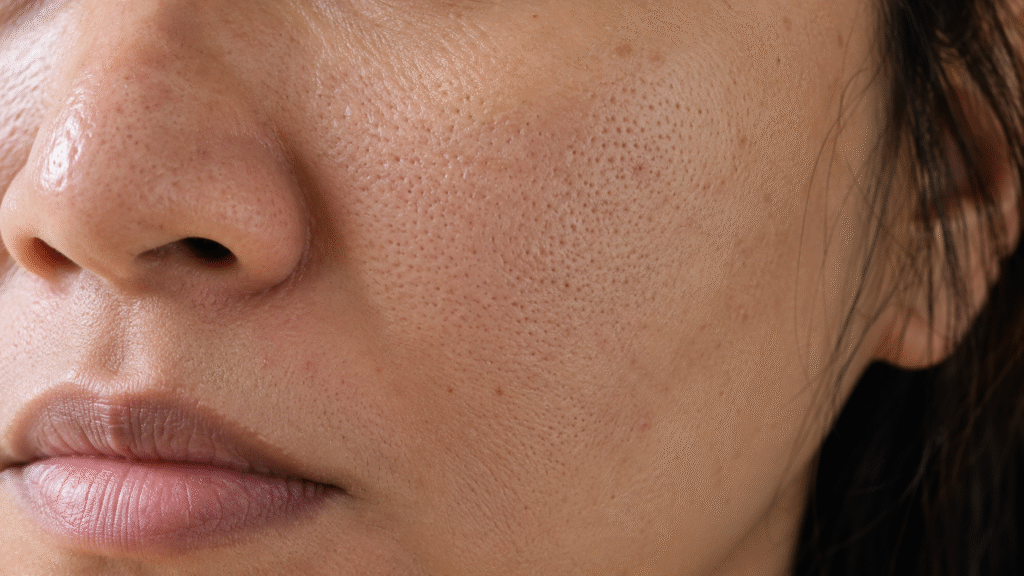
One of the oldest skincare myths is that cold water permanently shrinks pores.
In reality, pores don’t physically open and close like tiny doors.
Instead, cold temperatures may temporarily tighten the surrounding skin, making pores appear slightly less noticeable for a short period.
This subtle visual change often leads people to believe the pores themselves have become smaller.
If you’re asking what does dipping your face in ice water do, it’s more accurate to say that it may temporarily improve the appearance of pores rather than permanently changing their size.
Can It Help With Acne?
Some people assume ice water can cure acne because it temporarily reduces redness and inflammation.
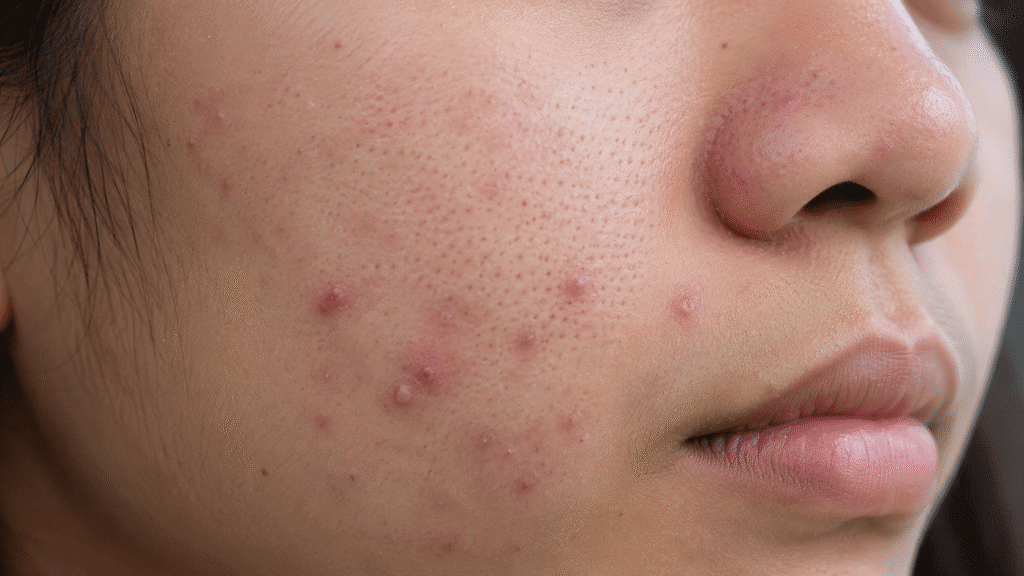
While cold temperatures may briefly calm inflamed-looking blemishes, ice water doesn’t address the underlying causes of acne, such as:
- Excess oil production
- Clogged pores
- Bacteria
- Hormonal changes
- Dead skin buildup
Managing acne typically requires a consistent skincare routine that includes appropriate cleansing, treatment products, and moisturization.
Ice water can be viewed as a supportive step rather than a primary acne treatment.
Who May Benefit From Facial Ice Baths?
Not everyone chooses to dip their face in ice water, but certain people may appreciate the temporary effects.
You might enjoy this practice if you:
- Wake up with facial puffiness.
- Want a quick morning refresh.
- Spend time in hot environments.
- Prefer simple skincare rituals.
- Want to prepare your skin before makeup.
The practice requires very little equipment, making it an accessible option for many skincare routines.
What Happens Immediately After an Ice Water Facial?
The experience varies slightly from person to person, but many individuals notice several immediate changes.
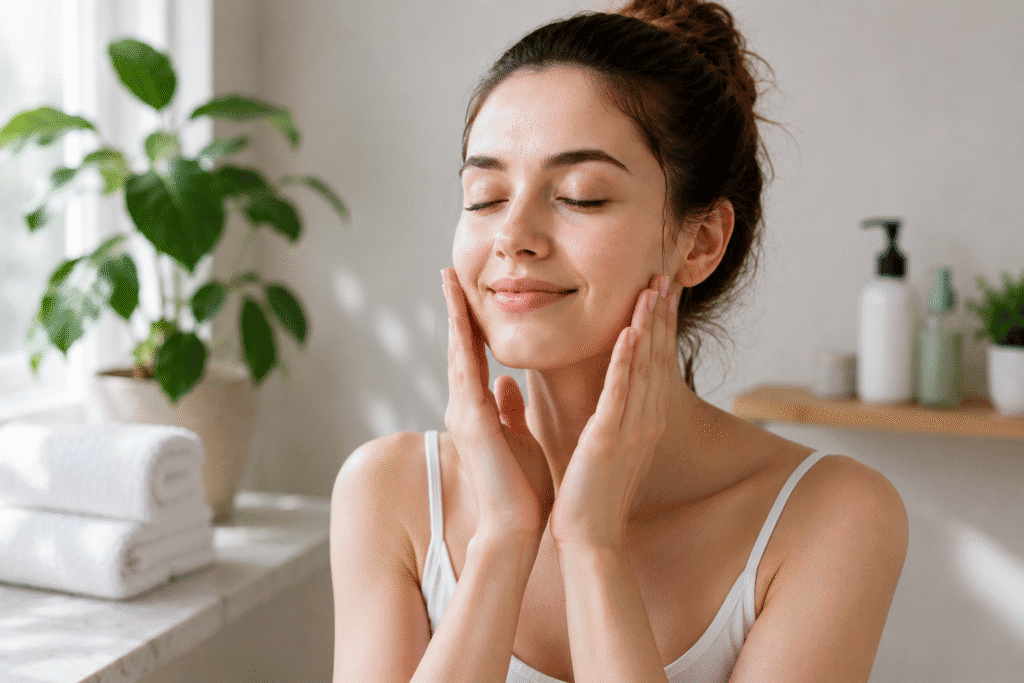
Within the first few minutes, you may observe:
- Skin feels cooler.
- Puffiness appears reduced.
- The face looks more awake.
- Skin feels temporarily tighter.
- Makeup may apply more smoothly afterward.
These effects generally begin fading as the skin gradually returns to its normal temperature.
Because of this, what does dipping your face in ice water do is best answered as providing temporary cosmetic improvements rather than long-term skin transformation.
Should You Use Ice Cubes or Cold Water?
Many people assume colder is always better, but extremely cold temperatures aren’t necessarily more effective.
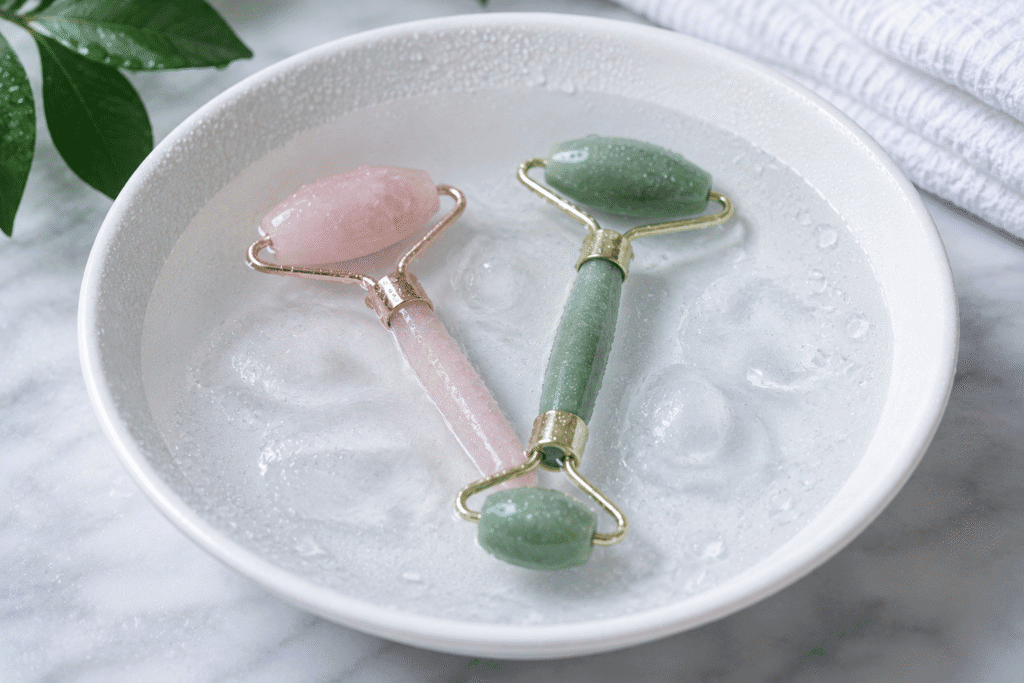
Instead of placing ice directly on the skin, many dermatologists recommend using:
- Cold water
- Chilled facial rollers
- Wrapped ice packs
- Cold compresses
Direct contact with ice may increase the risk of irritation, especially for individuals with sensitive skin.
Using cold water instead provides many of the same refreshing effects while being gentler on the skin.
Setting Realistic Expectations
Social media often showcases dramatic before-and-after transformations, but it’s important to approach skincare trends with realistic expectations.
If you’re researching what does dipping your face in ice water do, remember that the benefits are generally temporary. While the practice may reduce puffiness, refresh your complexion, and provide a cooling sensation, it isn’t a substitute for a consistent skincare routine that includes cleansing, moisturizing, sun protection, and targeted treatments suited to your skin type.
For many people, facial ice baths are best viewed as an optional self-care ritual that complements healthy skincare habits rather than replacing them.
When Ice Water May Not Be the Best Choice
Although facial ice baths are generally considered safe for many people when done correctly, they aren’t suitable for everyone. Skin type, existing conditions, and even how long you expose your face to cold temperatures can influence your experience.
Before trying the trend, it’s worth asking not only what does dipping your face in ice water do, but also whether it’s appropriate for your individual skincare needs.
People Who Should Be More Cautious
Some individuals may find that extreme cold causes more irritation than benefits.
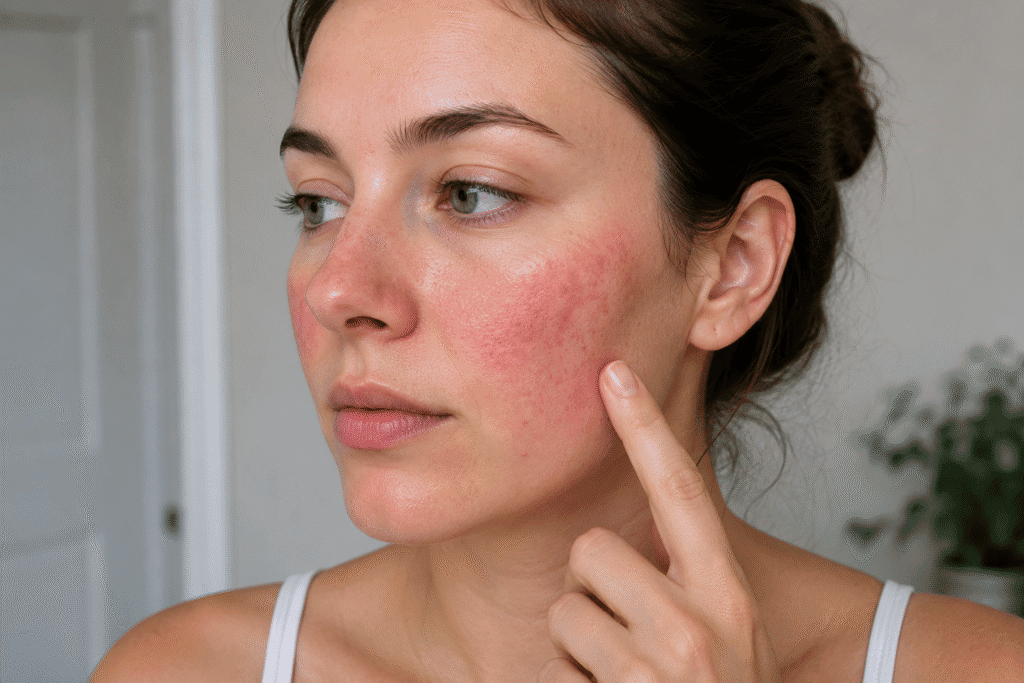
Consider speaking with a healthcare professional before trying facial ice baths if you have:
- Rosacea
- Extremely sensitive skin
- Broken or damaged skin
- Active eczema flare-ups
- Cold-induced skin reactions
- Certain circulatory conditions
Cold temperatures may trigger discomfort or worsen symptoms for some skin conditions.
Possible Side Effects to Be Aware Of
Most people experience nothing more than temporary coldness, but overdoing facial ice baths can occasionally lead to unwanted effects.
Potential side effects include:
- Temporary numbness
- Increased skin sensitivity
- Dryness after repeated exposure
- Discomfort from prolonged contact with cold water
- Irritation if ice is applied directly to the skin
These reactions are often preventable by limiting exposure time and avoiding unnecessarily cold temperatures.
Common Mistakes People Make
Many viral skincare trends encourage people to push routines to the extreme. However, more isn’t always better.
If you’re experimenting after learning what does dipping your face in ice water do, avoid these common mistakes.
Staying in Ice Water Too Long
Some videos show people submerging their faces for extended periods.
In reality, prolonged exposure isn’t necessary.
A short immersion or a brief cold splash is usually enough to experience temporary refreshing effects.
Pressing Ice Directly Against the Skin
Applying ice cubes directly to bare skin can increase the risk of irritation or even cold-related injury.
Instead, consider safer alternatives such as:
- Cold water
- A chilled washcloth
- A cool compress
- Refrigerated facial tools
These methods provide cooling benefits while reducing unnecessary stress on the skin.
Skipping Moisturizer Afterwards
Cold exposure doesn’t replace hydration.
After cleansing or cooling your face, apply a moisturizer suited to your skin type to help support the skin barrier and minimize dryness.
Expecting Permanent Results
Perhaps the biggest misconception surrounding facial ice baths is expecting dramatic long-term improvements.
The temporary reduction in puffiness and refreshed appearance usually fades within a relatively short period.
Maintaining healthy skin still depends on consistent habits such as:
- Gentle cleansing
- Daily moisturizing
- Sun protection
- Healthy lifestyle choices
- Appropriate skincare products
How to Safely Try an Ice Water Facial
If you’re curious after reading about what does dipping your face in ice water do, following a gentle approach is the safest place to start.
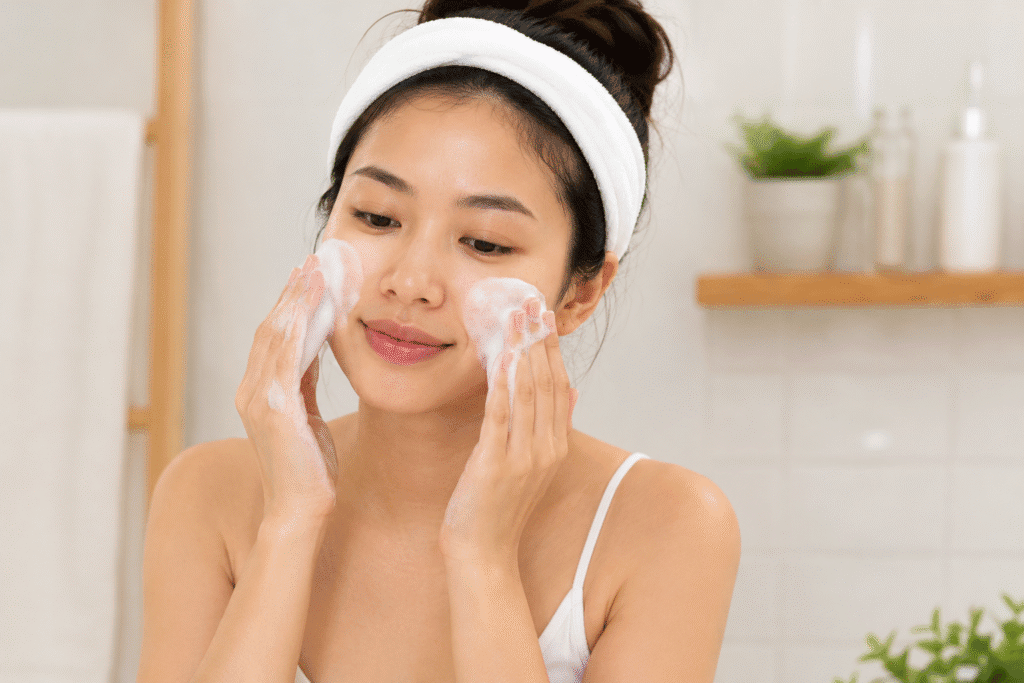
Step 1: Begin With Clean Skin
Wash away makeup, sunscreen, and impurities before exposing your skin to cold water.
This helps prevent debris from remaining on the skin during your routine.
Step 2: Prepare Cool—Not Freezing—Water
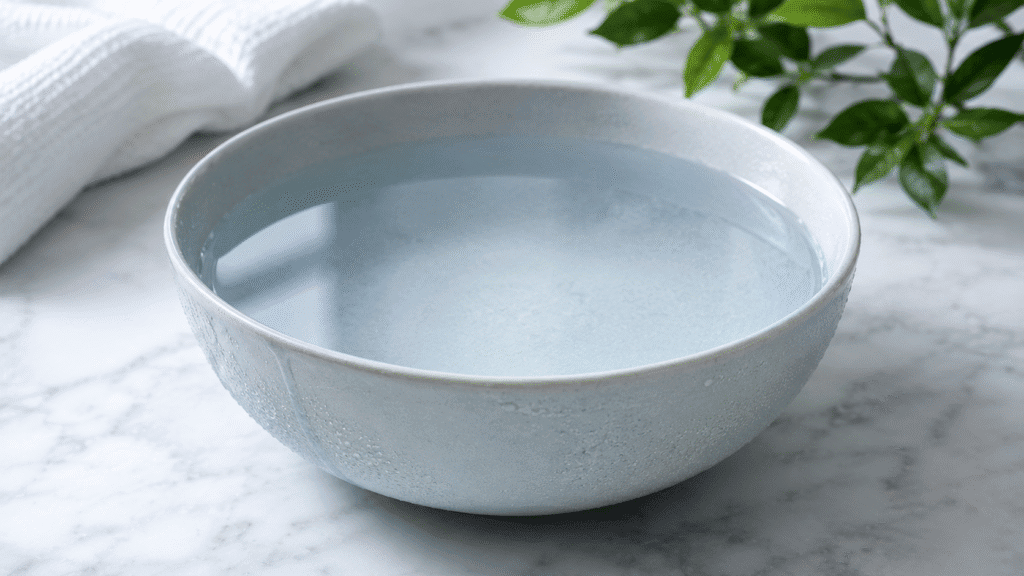
Fill a clean bowl with cool water.
Some people choose to add a few ice cubes, but the goal isn’t to make the water painfully cold.
Comfort should always come before intensity.
Step 3: Briefly Immerse Your Face
Rather than holding your face underwater for a prolonged period, briefly dip your face into the cool water for several seconds at a time if it feels comfortable.
Listen to your body and stop if you experience discomfort.
Step 4: Gently Pat Dry
Avoid rubbing your skin with a rough towel.
Instead:
- Use a clean, soft towel.
- Pat the skin dry.
- Leave a small amount of moisture on the skin before moisturizing.
Step 5: Continue Your Skincare Routine
After cooling your face, continue with your regular products, such as:
- Hydrating serum
- Moisturizer
- Sunscreen (morning)
- Targeted treatments (evening)
The ice water step should complement your routine—not replace it.
Can Ice Water Replace Your Skincare Products?
The short answer is no.
Although many people enjoy the refreshing feeling, ice water doesn’t provide ingredients your skin needs for long-term health.
For example, it cannot replace products that:
- Hydrate the skin barrier
- Deliver antioxidants
- Address acne
- Improve pigmentation
- Protect against UV damage
Think of facial ice baths as an optional enhancement rather than the foundation of your skincare routine.
Other Ways to Reduce Facial Puffiness
If ice water isn’t your preference, several alternatives may also help minimize morning puffiness.
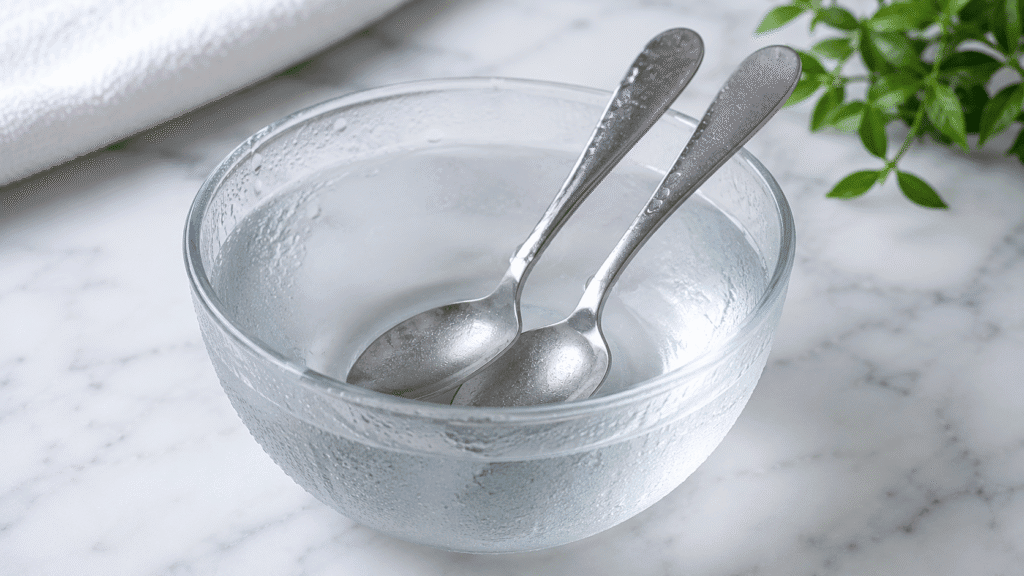
Some options include:
- Refrigerated jade rollers
- Chilled gua sha tools
- Cold spoons
- Cool compresses
- Getting adequate sleep
- Staying hydrated
- Reducing excessive sodium intake
These approaches may provide similar temporary cosmetic benefits without requiring full facial immersion.
Frequently Asked Questions
Many people who enjoy the practice choose to do it occasionally or as part of their morning routine. If you notice irritation or increased sensitivity, reduce the frequency or discontinue the practice.
Cold water may temporarily improve the appearance of your complexion by reducing puffiness and creating a refreshed look, but it doesn’t permanently brighten skin tone.
If puffiness contributes to the appearance of under-eye darkness, cooling the area may provide temporary improvement. However, ice water won’t treat pigmentation or structural causes of dark circles.
No. Skin type, age, lifestyle, and individual sensitivity all influence how your skin responds.
That’s why answers to what does dipping your face in ice water do can vary slightly from person to person, even though the underlying effects of cold exposure remain generally similar.
Remember That Consistency Matters Most
While facial ice baths may leave your skin looking temporarily refreshed, healthy skin develops through daily habits practiced consistently over time.
Simple routines such as cleansing gently, moisturizing regularly, protecting your skin from the sun, eating a balanced diet, and getting enough sleep often have a much greater long-term impact than any single skincare trend.
If you enjoy how your skin feels after an occasional ice water facial, it can certainly become part of your self-care routine but it works best alongside a thoughtful and consistent skincare regimen.
Ice Water vs. Other Cooling Skincare Methods
Dipping your face in ice water isn’t the only way to cool and refresh your skin. Several skincare tools and techniques offer similar temporary benefits while allowing you to tailor the experience to your comfort level.
If you’re still wondering what does dipping your face in ice water do, comparing it with other cooling methods can help you decide which option fits your routine best.
| Method | Primary Benefit | Best For |
|---|---|---|
| Ice water facial | Temporary de-puffing and refreshing | Morning skincare routines |
| Cold compress | Reduces temporary swelling | Sensitive or irritated skin |
| Chilled jade roller | Cooling facial massage | Relaxation and puffiness |
| Refrigerated gua sha tool | Massage and temporary cooling | Facial massage enthusiasts |
| Refrigerated sheet mask | Hydration with a cooling effect | Dry or tired-looking skin |
Each method offers temporary cosmetic improvements rather than permanent changes. The right choice often depends on your skin type, comfort level, and personal preference.
How to Incorporate Ice Water Into Your Routine
If you enjoy facial ice baths, they can easily fit into an existing skincare routine without replacing essential products.
Morning Routine
Start your day with:
- Gentle cleanser
- Ice water facial (optional)
- Hydrating serum
- Moisturizer
- Broad-spectrum sunscreen
Many people find that cooling the skin before applying skincare products leaves their complexion feeling refreshed and ready for the day.
Evening Routine
Ice water isn’t necessary every evening, but if you’ve spent time outdoors or your skin feels warm after exercise, a brief cool rinse may provide temporary comfort before continuing with your nighttime skincare routine. To get the most out of your evening regimen, read our Nighttime Skincare Routine guide for expert tips on cleansing, moisturizing, and choosing the right products to help your skin recover overnight.
Myths vs. Facts
There’s no shortage of skincare advice online, and facial ice baths are surrounded by plenty of misconceptions. Separating myths from facts can help you develop realistic expectations.
Myth: Ice Water Permanently Tightens Skin
Fact: Cold temperatures temporarily tighten the appearance of the skin, but they don’t permanently change skin firmness or elasticity.
Myth: Ice Water Can Replace Moisturizer
Fact: Cooling the skin doesn’t provide hydration. Moisturizer remains essential for supporting the skin barrier and maintaining healthy-looking skin.
Myth: More Ice Means Better Results
Fact: Extremely cold temperatures aren’t necessarily more effective. In fact, prolonged exposure to ice may increase the likelihood of irritation for some individuals.
Myth: Ice Water Eliminates Acne
Fact: Although cooling may reduce the appearance of redness and swelling temporarily, it doesn’t treat clogged pores, bacteria, or hormonal factors that contribute to acne.
When asking what does dipping your face in ice water do, it’s important to remember that the practice offers temporary cosmetic improvements rather than treating underlying skin conditions.
Tips for Getting the Best Results
If you’d like to try facial ice baths safely, these practical tips can help you make the experience more comfortable.
Do
- Use clean, cool water.
- Limit exposure to short periods.
- Follow with moisturizer.
- Listen to your skin.
- Keep your skincare routine consistent.
Don’t
- Apply ice directly to bare skin.
- Stay submerged for extended periods.
- Replace your skincare routine with ice water.
- Continue if you experience pain or excessive irritation.
- Expect overnight transformations.
Small, consistent habits generally contribute more to long-term skin health than occasional skincare trends.
Is an Ice Water Facial Worth Trying?
For many people, the answer depends on their skincare goals.
You may enjoy facial ice baths if you want to:
- Wake up your skin in the morning.
- Reduce temporary puffiness.
- Feel refreshed before applying makeup.
- Add a relaxing self-care ritual to your routine.
- Cool your skin after spending time in warm environments.
However, if your primary concerns involve acne, pigmentation, fine lines, or chronic skin conditions, a targeted skincare routine is likely to have a greater long-term impact.
Understanding what does dipping your face in ice water do allows you to appreciate it for what it is—a simple technique that may temporarily improve your skin’s appearance rather than a replacement for evidence-based skincare.
Healthy Skin Is Built Over Time
One reason skincare trends become so popular is the promise of quick results. While facial ice baths can leave your skin looking refreshed almost immediately, healthy skin is usually the result of consistent habits practiced over weeks and months.
Focus on building routines that include:
- Gentle cleansing
- Daily moisturizing
- Broad-spectrum sunscreen
- Balanced nutrition
- Adequate hydration
- Consistent sleep
- Products suited to your skin type
Adding occasional cooling treatments can complement these habits, but they shouldn’t become your only strategy for maintaining healthy skin.
Final Thoughts
If you’ve ever searched what does dipping your face in ice water do, the answer is both simple and nuanced. Cold water temporarily constricts blood vessels, which may reduce puffiness, minimize the appearance of mild redness, and leave your skin feeling refreshed. These effects are generally short-lived, but they can be a welcome addition to your morning routine or self-care ritual.
It’s equally important to understand what facial ice baths don’t do. They won’t permanently shrink pores, cure acne, erase wrinkles, or replace the need for a well-rounded skincare routine. Lasting skin improvements typically come from consistent cleansing, hydration, sun protection, and using products designed for your individual skin concerns.
Ultimately, what does dipping your face in ice water do comes down to providing temporary cosmetic benefits rather than dramatic transformations. When practiced safely and paired with good skincare habits, it can be an enjoyable way to refresh your complexion and reduce morning puffiness.
The next time someone asks what does dipping your face in ice water do, you’ll know that while the trend isn’t a miracle solution, it can still be a refreshing addition to a healthy skincare routine when used with realistic expectations.