

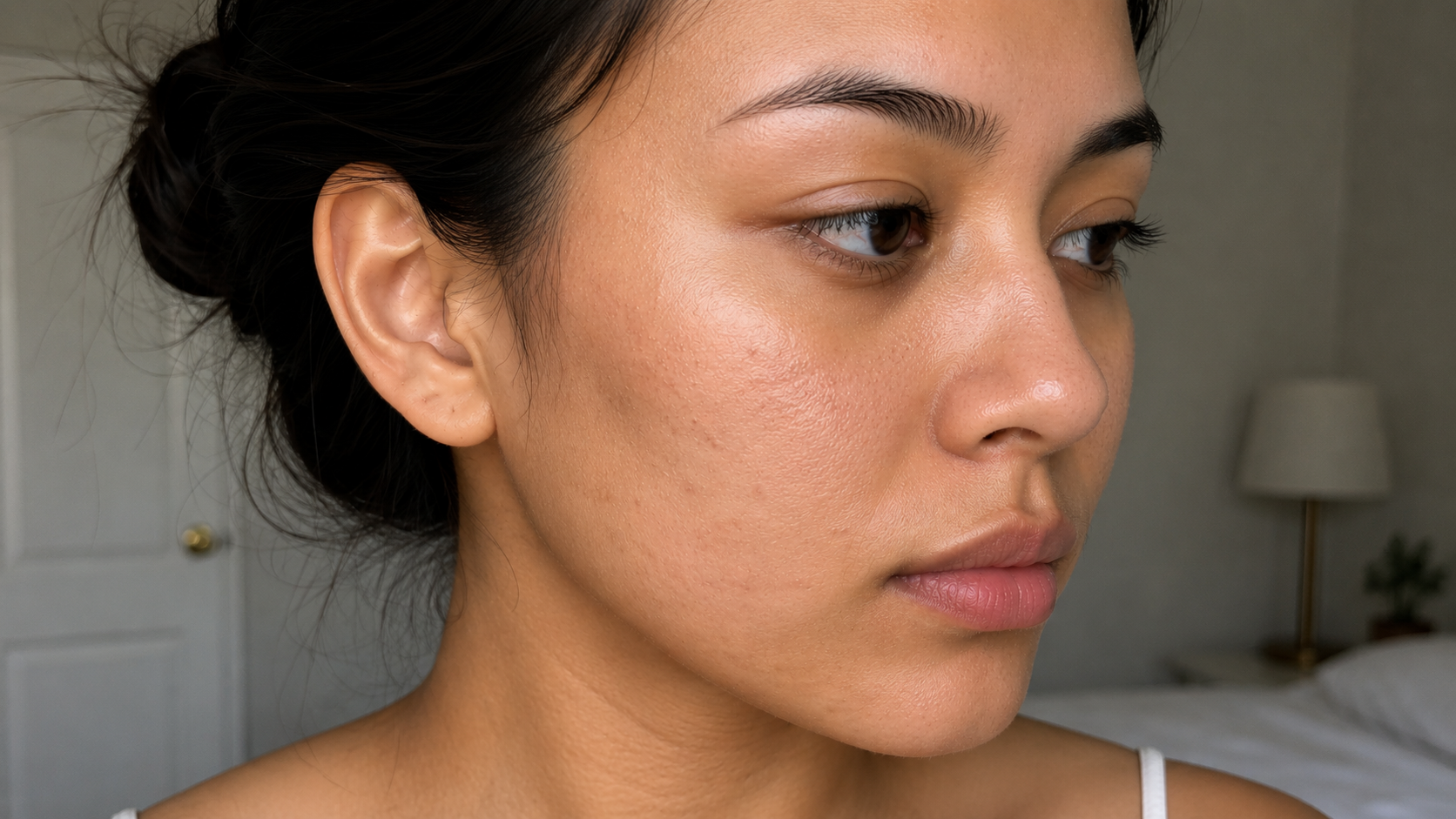
Many people notice that their skin does not always feel smooth or balanced. Rough patches, visible pores, dry areas, bumps, or flaky skin are all commonly associated with uneven skin texture.
Because of this, many skincare routines now focus on improving uneven skin texture through hydration, gentle exfoliation, and skin barrier support, an approach often used as at-home uneven skin texture treatment.
Uneven skin texture may appear as:
- Rough-feeling skin
- Dry patches
- Small bumps
- Enlarged pores
- Flaky areas
- Congested-looking skin
Understanding the causes of uneven texture may help you choose skincare habits that better support smoother-looking and healthier-looking skin over time.
What Causes Uneven Skin Texture?
Several factors may contribute to uneven texture.
Common causes include:
- Dryness and dehydration
- Excess oil buildup
- Dead skin cell accumulation
- Over-exfoliation
- Skin barrier damage
- Sun exposure
- Congested pores
People experiencing textured skin often notice that makeup applies unevenly or the skin feels rough throughout the day.
Dry Skin and Dehydration
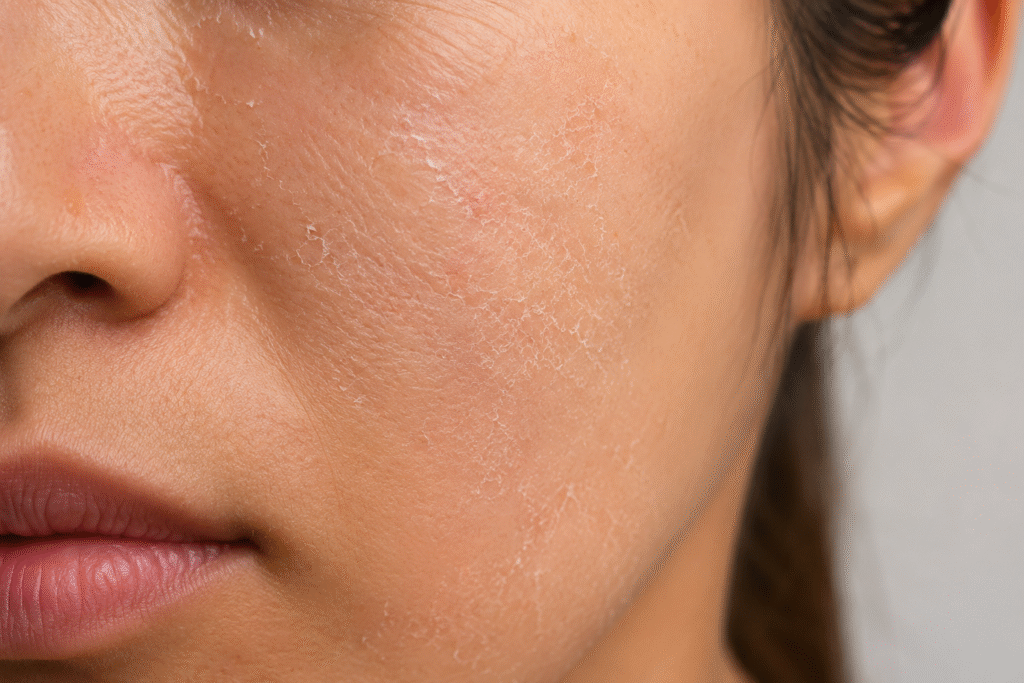
One of the biggest causes of uneven skin texture is dehydration.

When the skin lacks hydration, it may appear:
- Dull
- Rough
- Tight
- Flaky
Dehydrated skin may also make uneven texture appear more noticeable because dry patches can create an inconsistent surface on the skin.
Hydration-focused skincare routines are commonly recommended for maintaining smoother-looking skin.
Dead Skin Cell Buildup
The skin naturally sheds dead skin cells, but sometimes these cells accumulate on the surface of the skin.
This buildup may contribute to uneven skin texture by making the skin feel rough or appear dull.
Balanced exfoliation is commonly used to help remove excess dead skin cells and support smoother-looking skin.
However, excessive exfoliation may weaken the skin barrier and increase irritation.
Over-Exfoliation Can Worsen Texture
Some people believe aggressive exfoliation will quickly improve uneven texture, but over-exfoliating may actually worsen dryness and irritation.
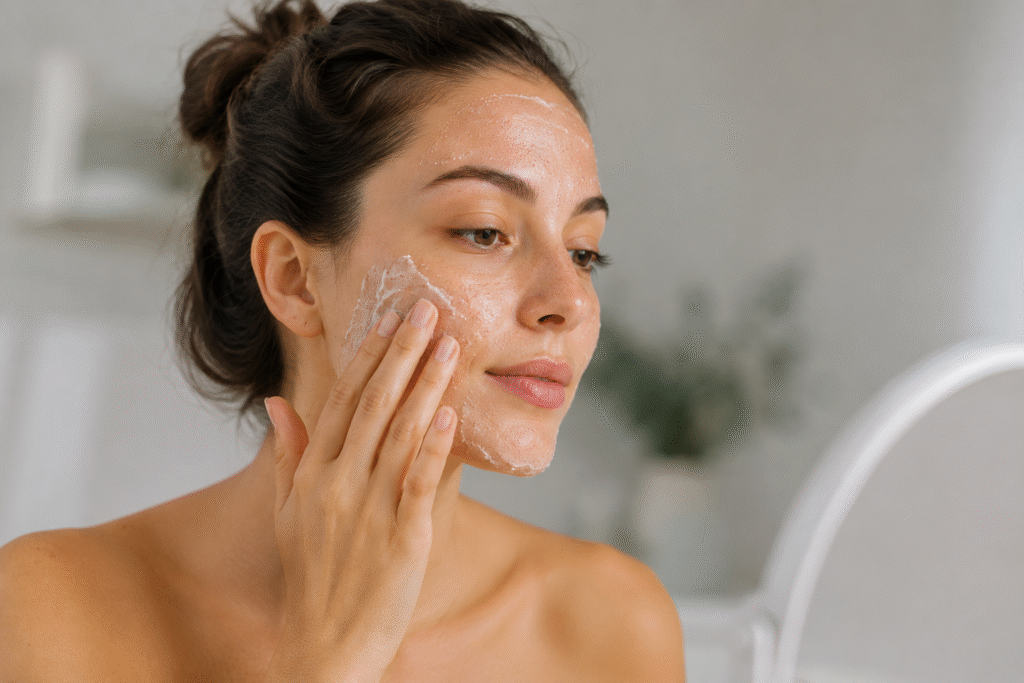
Over-exfoliation may contribute to:
- Redness
- Flaking
- Sensitivity
- Tight-feeling skin
- Rough texture
Many skincare routines now focus more on balanced exfoliation combined with hydration and skin barrier support. If you want to learn more about the warning signs and causes of excessive exfoliation, you may also read our article “Over Exfoliated Skin: Signs, Causes, and Why It Happens.”
Enlarged Pores and Congestion
Enlarged pores and clogged pores may also affect skin texture.
Excess oil, dead skin cells, and buildup on the skin may contribute to congestion that makes the skin appear less smooth.
People with oily skin often focus on lightweight hydration and gentle cleansing to help maintain balanced skin without excessive dryness.
Your Skin Barrier Matters
A compromised skin barrier may make texture irregularities more noticeable.
When the skin barrier becomes weakened, the skin may experience:
- Dryness
- Flaking
- Irritation
- Increased sensitivity
- Rough-feeling skin
Supporting the skin barrier with hydration and moisturization is commonly recommended for improving overall skin comfort and appearance.
Gentle Cleansing Can Help
Harsh cleansers may strip the skin of natural moisture and contribute to texture concerns over time.
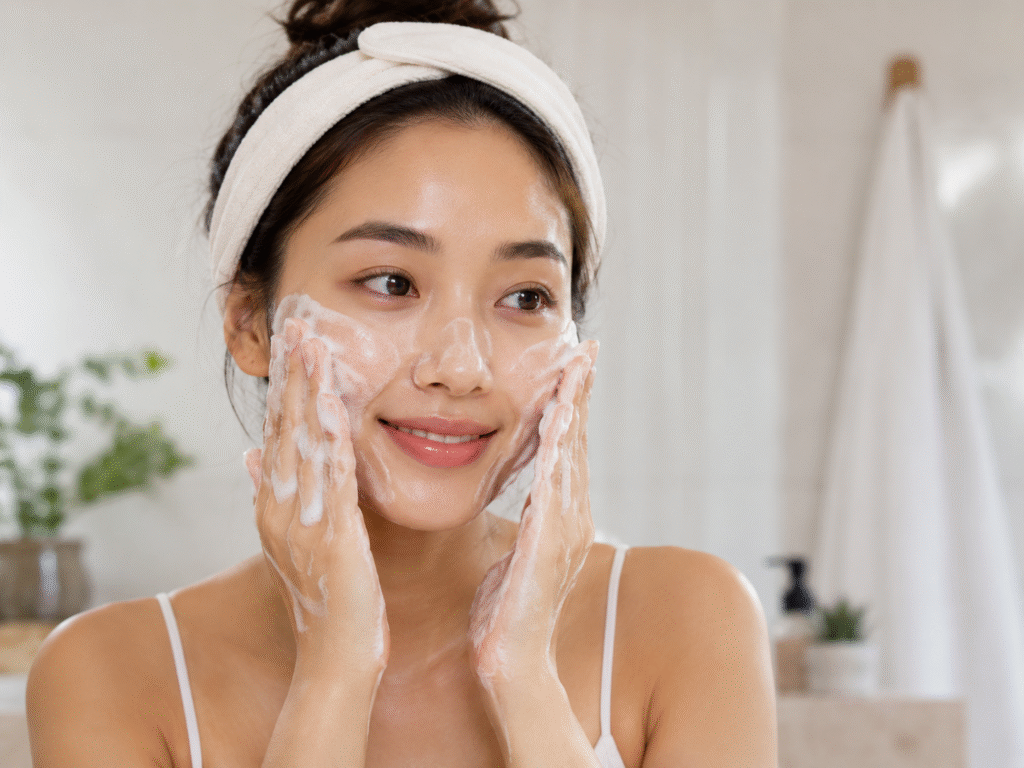
Gentle cleansers are often preferred because they may help:
- Support hydration
- Maintain skin balance
- Reduce tight-feeling skin
- Improve overall skin comfort
The American Academy of Dermatology explains that gentle cleansing may help maintain healthier-looking skin without excessive dryness.
Many people now avoid overly harsh cleansing routines in favor of gentler skincare habits.
Ingredients Commonly Used for Uneven Skin Texture
Several skincare ingredients are commonly associated with improving uneven skin texture.
These include:
- Hyaluronic acid
- Ceramides
- Niacinamide
- Panthenol
- Glycerin
- Aloe vera
These ingredients are commonly used in skincare routines focused on hydration and skin barrier support.
Exfoliation and Skin Texture
Balanced exfoliation may help improve uneven skin texture by removing excess buildup on the skin surface.
Common exfoliating ingredients include:
- AHAs
- BHAs
- Enzymes
- Gentle facial peels
However, skincare routines focused on texture concerns often work best when exfoliation is combined with hydration and moisturization.
Makeup Can Highlight Uneven Texture

People with uneven skin texture sometimes notice that makeup appears:
- Patchy
- Dry
- Uneven
- Cakey
Hydrated skin often provides a smoother base for makeup application.
This is why many people focus on skincare preparation before applying foundation or concealer.
Lifestyle Habits Also Affect Skin Texture
Lifestyle habits may also influence skin texture over time.
Factors that may affect skin appearance include:
- Lack of sleep
- Dehydration
- Stress
- Excessive sun exposure
- Inconsistent skincare habits
Balanced skincare routines combined with healthy habits are often associated with healthier-looking skin.
Simpler Routines Are Becoming More Popular
Many people now prefer simplified skincare routines instead of using too many aggressive products.
Simple skincare routines often focus on:
- Gentle cleansing
- Balanced exfoliation
- Hydration
- Moisturization
- Skin barrier support
Consistency is often more important than using excessive skincare products at once. These simple steps often serve as uneven skin texture remedies you can practice at home.
Q and A
Uneven skin texture commonly refers to skin that feels rough, bumpy, dry, flaky, or inconsistent in appearance. Some people may notice enlarged pores, congestion, dry patches, or small bumps that make the skin feel less smooth. This textural concern may also become more noticeable when applying makeup or during periods of dehydration.
Several factors may contribute to uneven skin texture, including dehydration, dead skin cell buildup, excess oil, clogged pores, over-exfoliation, and skin barrier imbalance. Environmental exposure, harsh skincare products, and inconsistent skincare habits may also affect overall skin smoothness over time.
Yes. Dehydrated skin may appear rough, dull, flaky, or tight, which can make uneven texture more noticeable throughout the day. Hydration-focused skincare is commonly used to help support smoother-looking and more comfortable skin.
Yes. Oily skin may still experience rough texture, congestion, enlarged pores, and dehydration, all of which may contribute to uneven skin texture. This is why many oily skincare routines still focus on hydration and balanced skincare rather than excessive cleansing alone.
Results vary depending on skin type, skincare consistency, and the underlying cause of uneven skin texture. Some people may notice improvements within several weeks of maintaining hydration-focused and balanced skincare habits, while others may need more time for gradual skin improvement.
Final Thoughts
Uneven skin texture is a common skincare concern that may be influenced by dryness, dehydration, dead skin buildup, congestion, and skin barrier imbalance.
Many people now focus on hydration, gentle skincare habits, balanced exfoliation, and consistent moisturization to help support smoother-looking and healthier-looking skin.
Instead of relying on overly aggressive routines, maintaining balanced skincare habits may help improve overall skin comfort and texture over time. Simple, consistent approaches are often the most sustainable uneven skin texture remedies.