
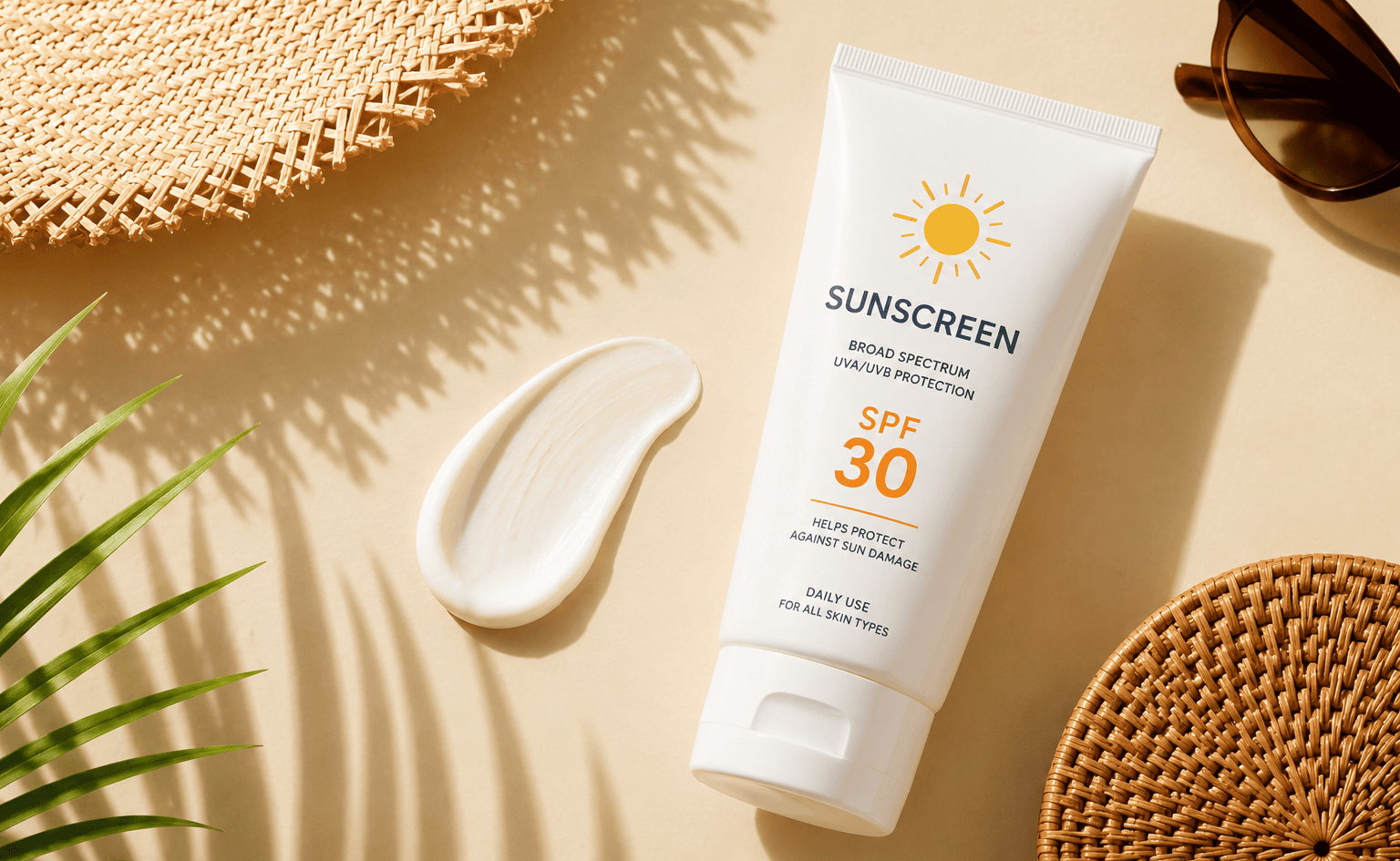
Sunscreen is one of the most useful skin care products you can use. Still, many people ask, is SPF 30 enough? Some even search the phrase is 30 SPF enough. With labels from 15 to 100, it is easy to think the biggest number always gives the best protection.
In real life, the right SPF depends on your skin, how long you stay outside, your daily routine, and how well you reapply. For many people, SPF 30 is enough. In other cases, SPF 50 is the better pick.
This guide explains how SPF works, when SPF 30 is a good choice, how it compares with higher SPF, and what matters most for sun protection.
What Does SPF Mean?
SPF means Sun Protection Factor.
It tells you how well a sunscreen helps protect your skin from UVB rays. UVB rays cause sunburn and add to skin damage over time.
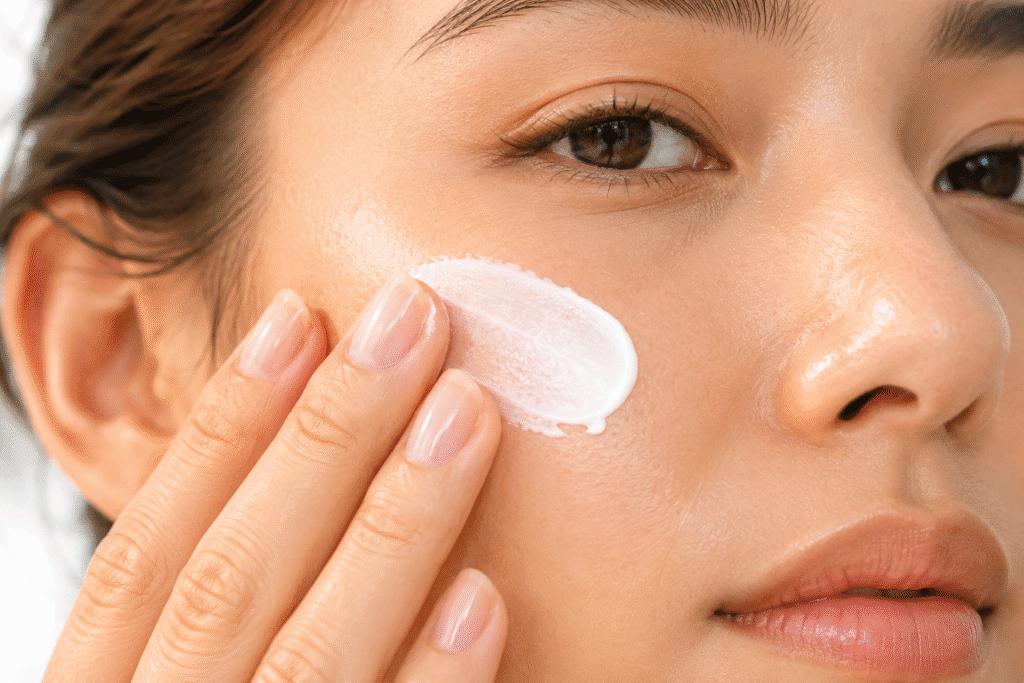
SPF does not tell you how long you can stay in the sun. Real-world use also depends on:
- how much you apply
- your skin type
- UV strength
- sweat
- swimming
- how often you reapply
Knowing this makes it easier to judge SPF 30.
How Much Protection Does SPF 30 Give?
One common myth is that SPF 50 gives far more protection than SPF 30. The gap is smaller than most people think.
| SPF | Approx. UVB Protection | Best For |
|---|---|---|
| 15 | About 93% | Short, casual exposure |
| 30 | About 97% | Daily wear |
| 50 | About 98% | Long outdoor activities |
| 100 | About 99% | People who want the highest level of UVB protection, with regular reapplication |
Although SPF 50 blocks a little more UVB than SPF 30, no sunscreen blocks all UV rays.
Skin doctors often say that good application and reapplication matter as much as SPF.
So, Is SPF 30 Enough?
For many people, yes.
If you use a broad-spectrum SPF 30 sunscreen, apply enough, and reapply as needed, it usually gives strong daily protection.
It works well for:
- driving
- walking to work
- errands
- lunch outside
- short garden work
- casual outdoor time
That is why many skin care pros give a clear yes for normal daily use.
Why Broad-Spectrum Matters
SPF mainly measures UVB protection.
Your skin also gets UVA exposure. UVA goes deeper and can lead to:
- early aging
- wrinkles
- loss of firmness
- uneven skin tone
- long-term sun damage
A broad-spectrum sunscreen helps guard against both UVA and UVB rays.
When you ask is SPF 30 enough, check for broad-spectrum too. Do not look at SPF alone.
SPF 30 vs. SPF 50
Many people grab the highest SPF on the shelf. But higher is not always much better.
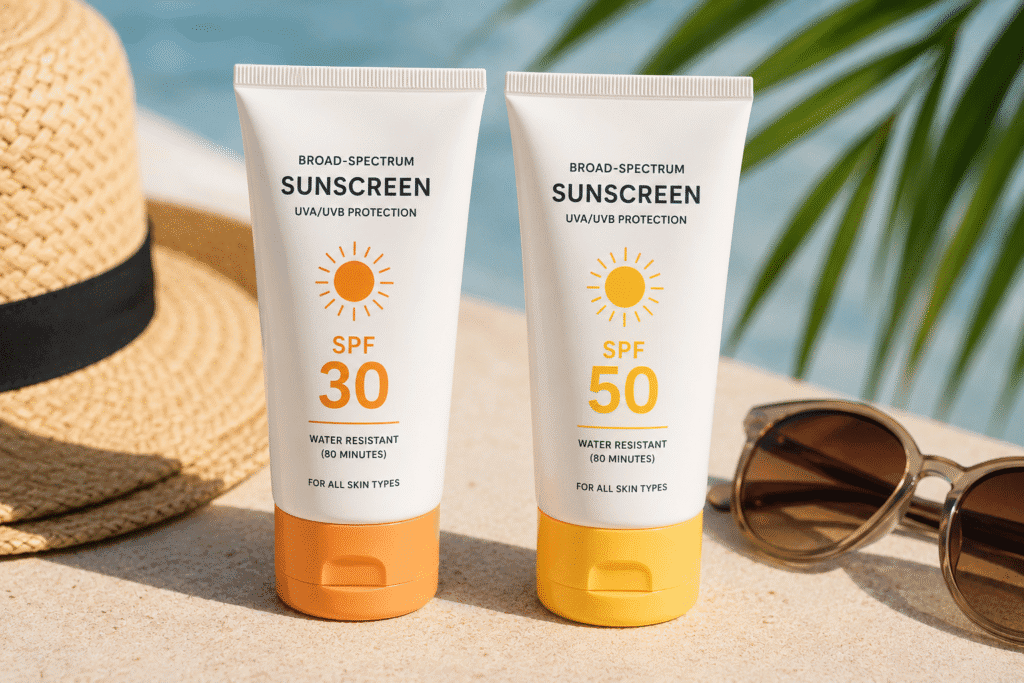
SPF 30
Best for:
- daily wear
- office work
- short outdoor time
- commuting
- most skin types when used well
Pros:
- light feel
- easy for daily use
- easy to find
- strong daily protection
SPF 50
Often better for:
- long outdoor time
- beach trips
- hikes
- sports
- high UV days
- people who burn fast
Pros:
- a bit more UVB protection
- a larger safety gap if you apply too little
- useful for longer sun time
For most daily routines, the answer depends less on the number and more on how well you use it.
When SPF 30 Is Enough, and When It May Not Be
The answer is not the same for everyone.
Skin Tone
People with lighter skin may burn faster than those with darker skin.
If you burn easily, add other sun care too, like shade and protective clothes.
Time Outdoors
Think about how long you stay outside.
Mostly indoors:
- office work
- remote work
- shopping
- commuting
In these cases, SPF 30 is often enough when used right.
Mostly outdoors:
- hiking
- gardening
- sports
- beach days
- outdoor work
Higher SPF and more frequent reapplication may help.
UV Index
UV is stronger:
- near midday
- in summer
- at higher places
- near water, sand, or snow
On high UV days, some people pick SPF 50 even if SPF 30 would be fine otherwise.
Skin Concerns
Some skin issues need steady sun care:
- dark spots
- melasma
- rosacea
- post-acne marks
- recent cosmetic work
For these, follow your skin doctor’s advice. That matters more than picking the highest SPF.
Common Sunscreen Mistakes
Many people think sunscreen does not work, when the real problem is how they use it.
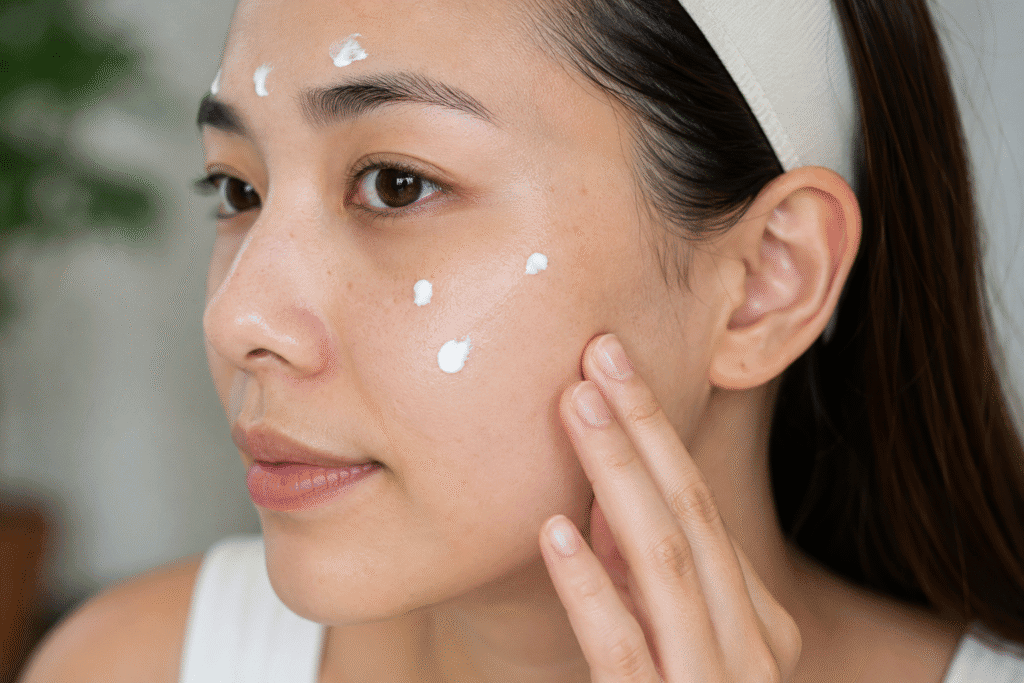
Applying Too Little
Most adults use less sunscreen than they should.
Too little sunscreen lowers protection, even if the label says SPF 30 or SPF 50.
Missing Spots
Easy-to-miss areas include:
- ears
- neck
- eyelids
- hairline
- hands
- tops of feet
- lips
Applying Too Late
Sunscreen should go on before strong sun exposure.
Let it set for a few minutes if the product needs time.
Not Reapplying
This is a big reason people question sunscreen use.
According to the Centers for Disease Control and Prevention (CDC), sunscreen should be reapplied at least every two hours and after swimming or heavy sweating to maintain effective protection.
Even high SPF sunscreen loses power from:
- sweat
- water
- touching your face
- normal wear
Reapplying often matters more than choosing a higher SPF.
How Much Sunscreen Should You Use?
Too little sunscreen is one of the most common mistakes.
Many people use only half or less of the amount they need.
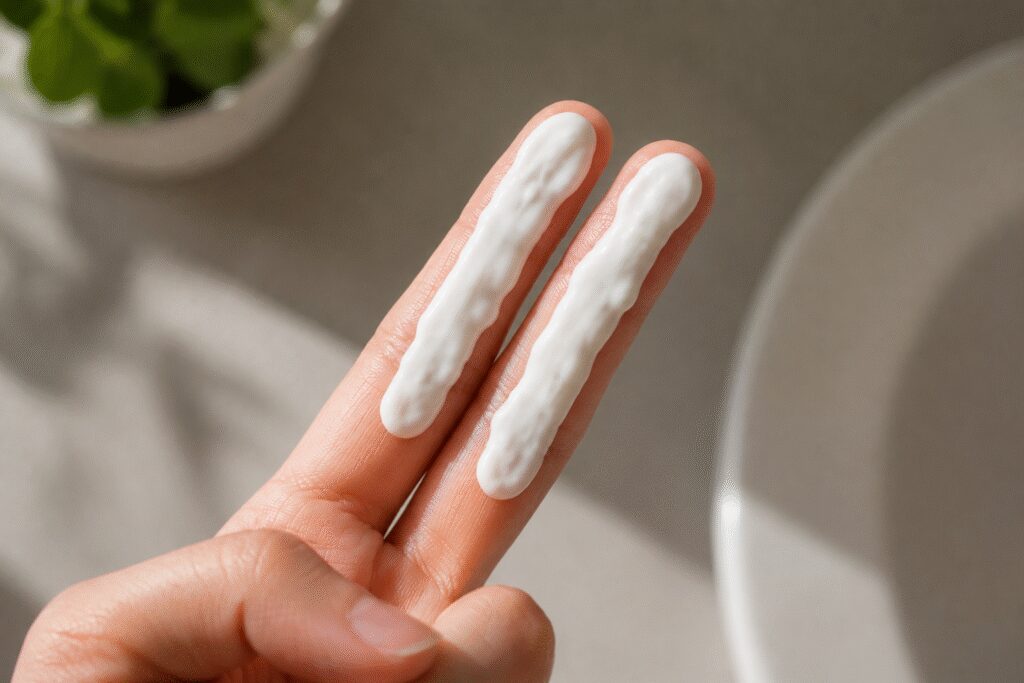
For the face and neck, many skin doctors suggest:
- two finger lengths
- about 1/4 teaspoon
For the whole body, adults usually need:
- about 1 ounce, or a shot-glass full
Using the right amount helps your sunscreen work closer to its label.
Mineral vs. Chemical Sunscreen
Another common question with SPF 30 is which type works best.
Both can work well if you use them right.
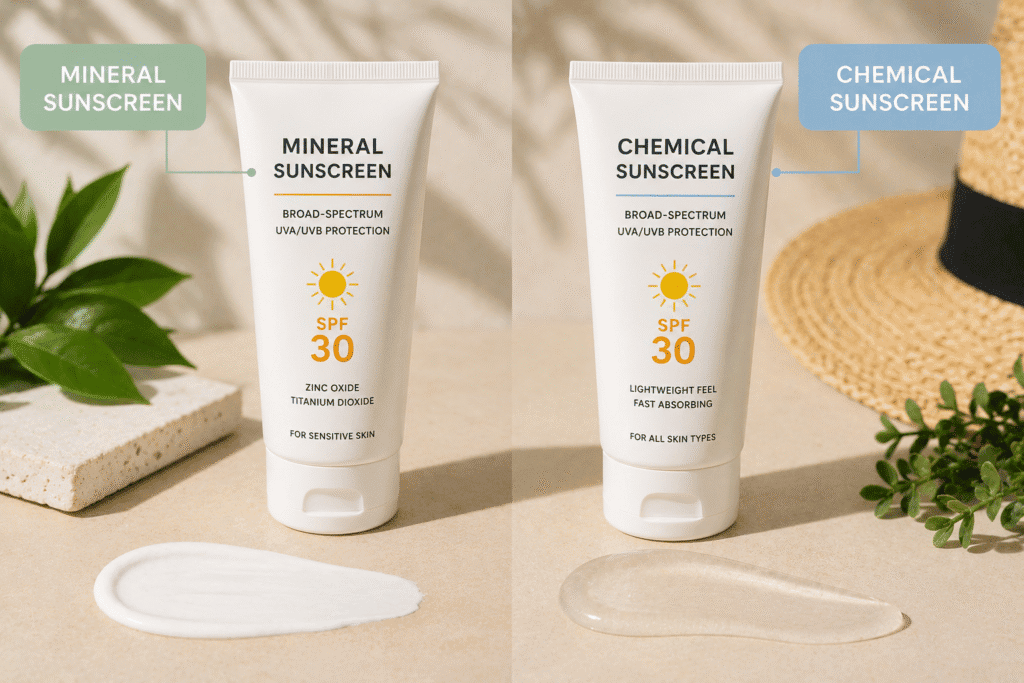
Mineral Sunscreen
Often contains:
- zinc oxide
- titanium dioxide
Benefits:
- good for many sensitive skin types
- starts working right away
- often used after skin procedures
- less likely to bother some people
Possible limits:
- can leave a white cast
- may feel thicker
Chemical Sunscreen
Common filters may include:
- avobenzone
- octisalate
- octocrylene
- homosalate
Benefits:
- light feel
- blends well
- little white cast
- good for daily wear
Possible limits:
- may bother very sensitive skin
- often needs a short wait before strong sun
Neither type is always better. The best sunscreen is the one you use often and use well.
Indoor vs. Outdoor Sun Protection
Many people think sunscreen is only for outdoor time. Not always.
Indoor Time
Even when you’re indoors, UV rays can still reach you through:
- Windows
- While driving
- Working near bright lights
- Spending long hours in sunny rooms
For many indoor days, SPF 30 is enough. If you’re unsure whether you should wear sunscreen when you’re inside, read our guide on Do You Need Sunscreen Indoors? Your Daily Protection Guide to learn when daily protection is still essential.
Outdoor Time
If you are outside for a long time:
- wear sunglasses
- wear protective clothing
- wear a wide-brim hat
- seek shade
- reapply often
These habits work with sunscreen to reduce sun exposure.
Does Skin Type Change the Best SPF?
Yes. The answer also depends on your skin.
Dry Skin
Look for moisturizers with:
- glycerin
- hyaluronic acid
- ceramides
They help limit dryness while protecting your skin.
Oily Skin
Many people with oily skin prefer:
- gel sunscreens
- fluid formulas
- oil-free products
- matte finishes
A texture you like makes daily use more likely.
Sensitive Skin
Many people with sensitive skin choose:
- fragrance-free sunscreen
- mineral sunscreen
- products made for sensitive skin
Patch test new products when you can.
Daily Habits That Improve Sun Protection
Sunscreen works best as part of a full sun care routine.
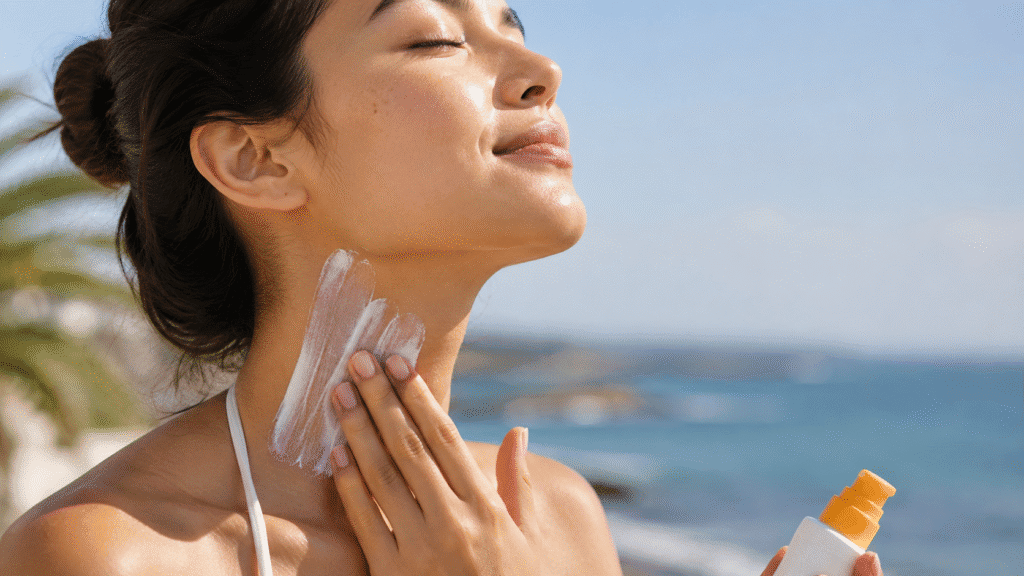
Wear Protective Clothing
Consider:
- long sleeves
- UV clothing
- wide-brim hats
- UV sunglasses
Seek Shade
Whenever you can:
- sit under umbrellas
- walk on shaded paths
- avoid peak sun when possible
Check the UV Index
Many weather apps show the daily UV forecast.
High UV days may need:
- more reapplication
- extra clothes
- less direct sun
Do Not Forget the Neck and Hands
The face is not the only skin that gets sun.
Also cover:
- neck
- ears
- chest
- hands
- forearms
These areas often show sun damage over time.
Comparing Common SPF Levels
The numbers are close. SPF 15 gives decent short-term coverage, SPF 30 is a strong daily option, SPF 50 gives a bit more UVB protection, and SPF 100 adds only a small extra gain. In every case, reapplication matters more than the label.
The Bigger Picture
It is easy to focus on the SPF number alone. But sunscreen works best when you use it daily, apply enough, choose broad-spectrum, and reapply.
If you still ask is SPF 30 enough, remember that steady use matters more than a higher label. A well-used SPF 30 sunscreen often works better than an SPF 50 sunscreen used too little or forgotten.
Expert Sunscreen Tips
Skin doctors agree sunscreen is one of the best ways to cut sun damage. But SPF alone does not tell the full story.
If you’ve been wondering about SPF 30, these tips help.
Apply Sunscreen Every Morning
Even if you do not plan to spend hours outdoors, UV exposure can still happen from:
- driving
- walking between buildings
- windows
- errands
- outdoor lunch
Making sunscreen part of your morning routine is better than only using it on sunny days.
Let It Set Before You Go Out
For many formulas, letting sunscreen settle before strong sun can help even coverage.
Apply it near the end of your morning skin care, before makeup.
Reapply More Than You Think
People often misjudge how often sunscreen needs to go back on.
If you’re outdoors for a long time:
- reapply every two hours
- reapply after swimming
- reapply after heavy sweating
- reapply after towel drying
This is one reason the answer often depends more on habits than on the SPF number.
Do Not Forget Often Missed Spots
Many people protect the face but miss other sun-hit areas:
- ears
- hairline
- neck
- chest
- hands
- eyelids
- lips
Myths vs. Facts
Bad info about sunscreen is common. Let’s clear up a few myths.
Myth: Higher SPF Means You Can Stay Out All Day
Fact: No sunscreen lasts all day without reapplication. Even SPF 100 loses power from sweat, water, and wear.
Myth: SPF 30 Is Not Strong Enough
Fact: For many people, broad-spectrum SPF 30 gives strong daily protection when used well.
That is why the answer is often yes for normal daily use.
Myth: You Only Need Sunscreen on Sunny Days
Fact: UV rays can still reach your skin on cloudy days.
Daily sunscreen is still a good habit year-round.
Myth: Darker Skin Does Not Need Sunscreen
Fact: Darker skin has more melanin, but anyone can get sun damage.
Daily sunscreen helps protect against:
- early aging
- uneven skin tone
- dark spots
- skin cancer
Myth: Makeup With SPF Is Enough
Fact: Makeup with SPF can add some protection, but most people do not apply enough for the full label rating.
Use a real sunscreen as your main layer of protection.
Frequently Asked Questions
Yes. Broad-spectrum SPF 30 is usually a good fit for daily use when applied well and reapplied as needed.
For many people, yes, for daily face use. If you get lots of sun, burn fast, or spend long hours outside, SPF 50 may be a better choice.
If you will be in direct sun for hours, many people prefer SPF 50 or higher, plus shade, clothes, and frequent reapplication.
If you sit near windows or drive often, yes. UVA can pass through glass.
It is better to use sunscreen as its own layer. Mixing can make the coat less even.
Daily Sun Protection Checklist
Use this quick list to make sunscreen part of your routine.
Every Morning
- □ Clean your skin.
- □ Apply moisturizer if needed.
- □ Apply a broad-spectrum SPF 30 or higher sunscreen.
- □ Cover your face, ears, neck, and other bare skin.
- □ Let sunscreen set before makeup.
During the Day
- □ Reapply every two hours during long sun exposure.
- □ Reapply after swimming or heavy sweating.
- □ Wear sunglasses.
- □ Wear a hat when outside for long periods.
- □ Seek shade when you can.
Final Verdict
So, is SPF 30 enough?
For many people, yes. A broad-spectrum SPF 30 sunscreen gives strong daily protection against UVB rays and works well for commuting, work, shopping, and short outdoor time.
But sunscreen is only one part of full sun care. Using the right amount, covering all bare skin, choosing broad-spectrum, and reapplying matter just as much as the SPF number.
If you will be outdoors for a long time, in water, or in strong sun, SPF 50 or higher may give extra peace of mind. Still, no sunscreen can replace reapplication and smart sun habits.
Final Thoughts
The question is SPF 30 enough does not have one answer for everyone. But for most daily life, broad-spectrum SPF 30 gives solid protection when used the right way. Rather than chasing the highest SPF, focus on enough sunscreen, daily use, and reapplication.
Good skin care also includes clothes, sunglasses, shade, and smart sun habits. When someone asks is SPF 30 enough, the answer is: it depends on your day, but for many people, yes.