
Whether you’re committed to a multi-step skincare routine or simply use toner after cleansing, you’ve probably wondered at some point: how long does toner last? It’s a practical question that many skincare users overlook until they discover an old bottle tucked away in a bathroom cabinet.
Unlike cleansers or moisturizers that are used up relatively quickly, toner can sometimes last for months. That extended lifespan often leads people to question whether it’s still safe and effective after being opened. While many toners remain stable for a considerable period, their longevity depends on several factors, including the formulation, ingredients, storage conditions, and how frequently they’re used.
Understanding how long does toner last isn’t just about avoiding waste, it’s also about protecting your skin. Using expired skincare products may reduce their effectiveness and, in some cases, increase the risk of irritation or contamination. Knowing when to replace your toner helps ensure you’re getting the best performance from your skincare routine.
In this guide, we’ll explore how long different types of toners typically last, what affects their shelf life, how to tell if they’ve expired, and the best ways to keep them fresh for as long as possible.
Why Toner Doesn’t Last Forever
Every skincare product has a shelf life. Although many toners are water-based and contain preservatives designed to prevent microbial growth, they gradually lose stability over time.
Several things naturally occur as a toner ages:
- Active ingredients begin breaking down.
- Preservatives slowly become less effective.
- Exposure to air causes oxidation.
- Heat and sunlight can degrade the formula.
- Frequent opening introduces bacteria and contaminants.
These changes don’t always happen overnight. Instead, the product gradually becomes less effective, even if it still appears normal.
That’s why understanding how long does toner last can help you avoid using products that no longer provide the results you’re expecting.
Unopened Toner vs. Opened Toner
One of the biggest factors affecting shelf life is whether the bottle has been opened.
Unopened Toner
When stored correctly in its original packaging, most unopened toners remain stable for approximately two to three years from the manufacturing date. This is because the product hasn’t yet been exposed to oxygen, bacteria, or environmental contaminants.
Manufacturers typically print either:
- An expiration date
- A manufacturing date
- A batch code
- A PAO (Period After Opening) symbol
If the toner remains sealed and has not passed its expiration date, it’s generally considered safe to use.
Opened Toner
Once you remove the seal and begin using the product, its lifespan changes.
Most opened toners remain effective for approximately:
- 6 -12 months for natural or preservative-light formulas
- 12 months for many conventional toners
- Up to 24 months for certain well-preserved formulations (depending on the manufacturer)
Always refer to the product packaging for the recommended Period After Opening.
If you’ve ever asked how long does toner last, the answer is almost always shorter after opening because daily exposure to air and repeated contact with your hands or cotton pads slowly affects the product.
What Determines How Long a Toner Lasts?
Not every toner has the same lifespan. Some formulas are intentionally designed for maximum stability, while others prioritize naturally derived ingredients with fewer preservatives.
Several factors influence how long your toner stays fresh.
1. The Ingredients
The ingredient list plays a major role in determining product stability.
Generally, toners containing:
- Botanical extracts
- Fermented ingredients
- Natural fruit extracts
- Essential oils
may have a shorter usable lifespan once opened.
Meanwhile, formulas with balanced preservative systems often maintain their stability for longer periods.
Some ingredients naturally remain stable, while others gradually degrade after repeated exposure to air and light.
2. Packaging Design
The bottle itself helps protect the formula.
Packaging that minimizes air exposure generally extends product longevity.
Examples include:
- Pump bottles
- Airless dispensers
- Narrow-neck bottles
- Opaque containers
Wide-mouth jars, while uncommon for toners, allow more oxygen into the product and may shorten its usable life.
3. Storage Conditions
Even premium skincare products can deteriorate quickly when stored improperly.
Conditions that may reduce toner shelf life include:
- High humidity
- Direct sunlight
- Excessive heat
- Constant temperature fluctuations
- Leaving the cap loose
Bathrooms are convenient, but the frequent steam from hot showers may expose skincare products to fluctuating temperatures and humidity levels.
4. Frequency of Use
Daily use means repeatedly opening the bottle, exposing the product to oxygen each time.
While this doesn’t necessarily make the toner expire quickly, it contributes to gradual oxidation over time.
The more frequently a bottle is opened, the more important proper storage becomes.
Can Ingredients Affect Shelf Life?
Absolutely.
Different ingredients behave differently over time.
Hydrating Ingredients
Ingredients like:
- Hyaluronic acid
- Glycerin
- Panthenol
are generally considered relatively stable when formulated correctly.
Antioxidants
Some antioxidants gradually lose potency after prolonged exposure to air.
Examples include:
- Vitamin C derivatives
- Green tea extract
- Plant polyphenols
As these ingredients degrade, the toner may become less effective than when first opened.
Exfoliating Acids
Toners containing ingredients such as:
- Glycolic acid
- Lactic acid
- Salicylic acid
are often formulated to maintain an appropriate pH, but improper storage may eventually affect their performance.
Although they may still appear normal, their exfoliating effectiveness could gradually decline.
This is another reason why understanding how long does toner last is about more than simply checking whether the liquid has changed color.
Does Natural Toner Expire Faster?
Many consumers assume that “natural” automatically means “better,” but naturally derived skincare often requires extra attention regarding storage and shelf life.
Products formulated with fewer preservatives may be more sensitive to:
- Air exposure
- Moisture
- Temperature changes
- Light
That doesn’t make them inferior, it simply means following storage recommendations becomes even more important.
If your toner contains numerous botanical ingredients, always pay close attention to the manufacturer’s expiration guidance.
Where Should You Store Your Toner?
Proper storage is one of the easiest ways to extend product freshness.
According to the FDA, storing cosmetics in hot, humid environments can cause preservatives to break down more quickly and increase the risk of bacterial growth.
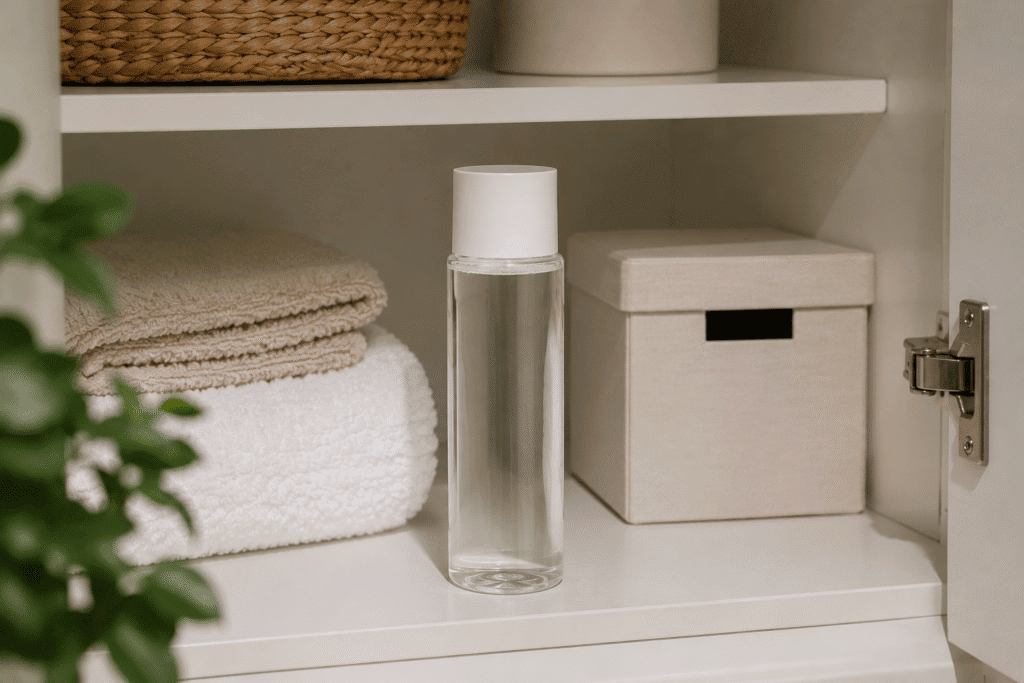
For best results:
- Store it in a cool, dry place.
- Keep the bottle tightly closed.
- Avoid direct sunlight.
- Store away from radiators or heaters.
- Keep it out of excessively humid environments.
Some people even enjoy refrigerating certain hydrating toners for a refreshing cooling sensation during application. While refrigeration isn’t required for most products, it can be beneficial for specific formulations if recommended by the manufacturer.
Why Using Fresh Toner Matters
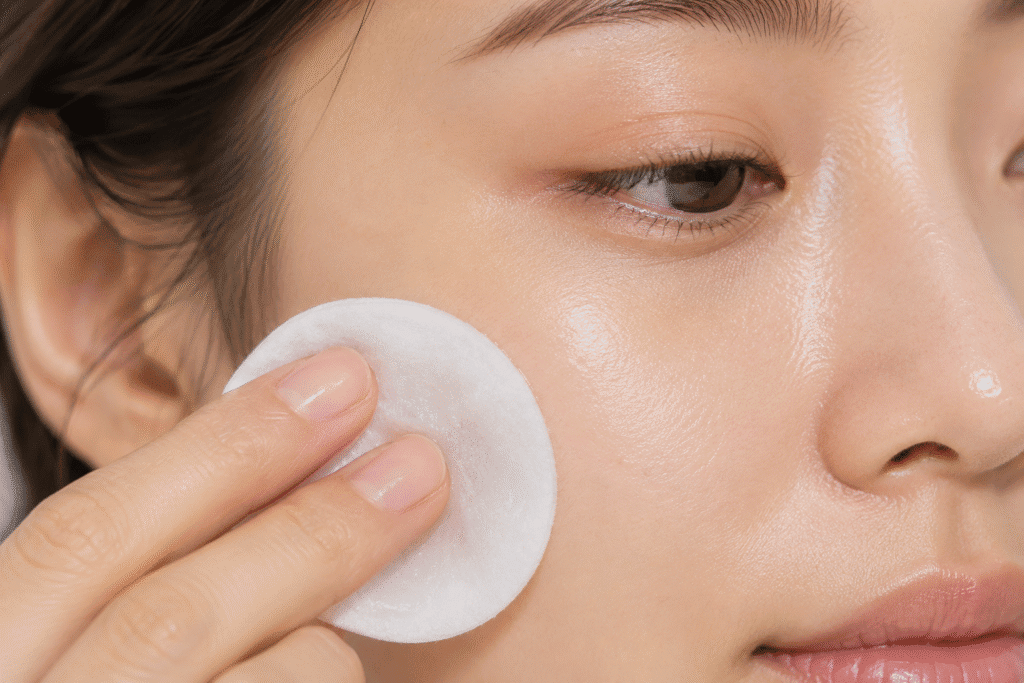
Many people assume that as long as a toner smells normal, it’s perfectly fine to continue using indefinitely. However, skincare performance often begins declining long before visible signs of expiration appear.
Fresh toner helps ensure you’re receiving the full benefits of its carefully selected ingredients, whether your goal is hydration, gentle exfoliation, balancing excess oil, or soothing sensitive skin.
If you’ve been wondering how long does toner last, remember that the answer isn’t solely about safety—it’s also about effectiveness. A toner that has lost its potency may no longer deliver the results your skincare routine depends on, making timely replacement an important part of maintaining healthy-looking skin.
How to Tell if Your Toner Has Expired
Knowing how long does toner last is only part of the equation. Even if you can’t remember when you opened the bottle, your toner will often give you clues that it’s time for a replacement.
While some expired skincare products show obvious signs of deterioration, others become less effective long before noticeable changes appear. That’s why it’s helpful to inspect your toner every so often, especially if it has been sitting in your skincare collection for several months.
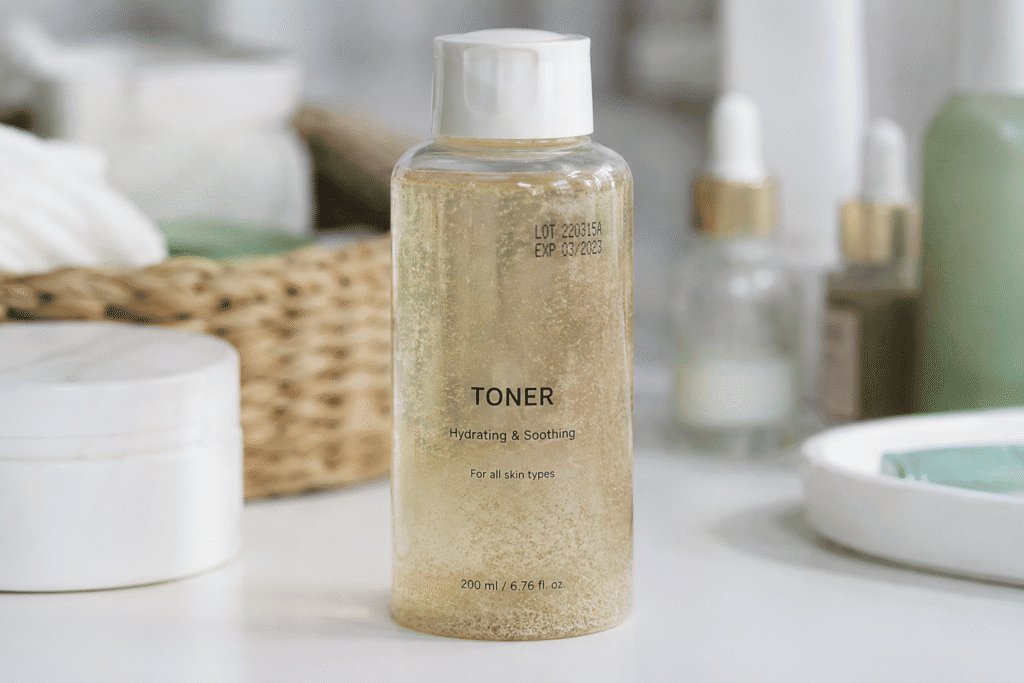
Here are some of the most common warning signs.
1. The Color Has Changed
A toner should generally maintain the same appearance throughout its recommended lifespan.
If you notice that the liquid has become:
- Darker
- Cloudy
- Yellowish
- Brown
- Uneven in color
it may indicate oxidation or ingredient breakdown.
Some botanical ingredients naturally darken over time, but significant color changes should never be ignored.
2. It Smells Different
Fragrance is another useful indicator.
If your toner suddenly smells:
- Sour
- Musty
- Rancid
- Metallic
- Significantly stronger than before
it’s best to discontinue using it.
Products formulated without artificial fragrance may naturally have mild botanical scents, but sudden odor changes often suggest the formula is no longer stable.
3. The Texture Changes
Most toners are designed to have a lightweight, watery, milky, or gel-like consistency depending on their formulation.
If you notice:
- Clumps
- Separation
- Thickening
- Sliminess
- Floating particles
the formula may have deteriorated.
Even vigorous shaking shouldn’t permanently restore a product that has broken down.
4. Your Skin Suddenly Reacts
Sometimes your skin notices changes before you do.
If a toner you’ve used comfortably for months suddenly causes:
- Stinging
- Burning
- Excessive redness
- Unexpected dryness
- Irritation
the product may have expired or become contaminated.
Whenever a skincare product begins producing unusual reactions, it’s safer to stop using it and evaluate whether it has passed its recommended lifespan.
Can Expired Toner Harm Your Skin?
Not every expired toner will immediately cause a skin problem, but using old skincare products isn’t recommended.
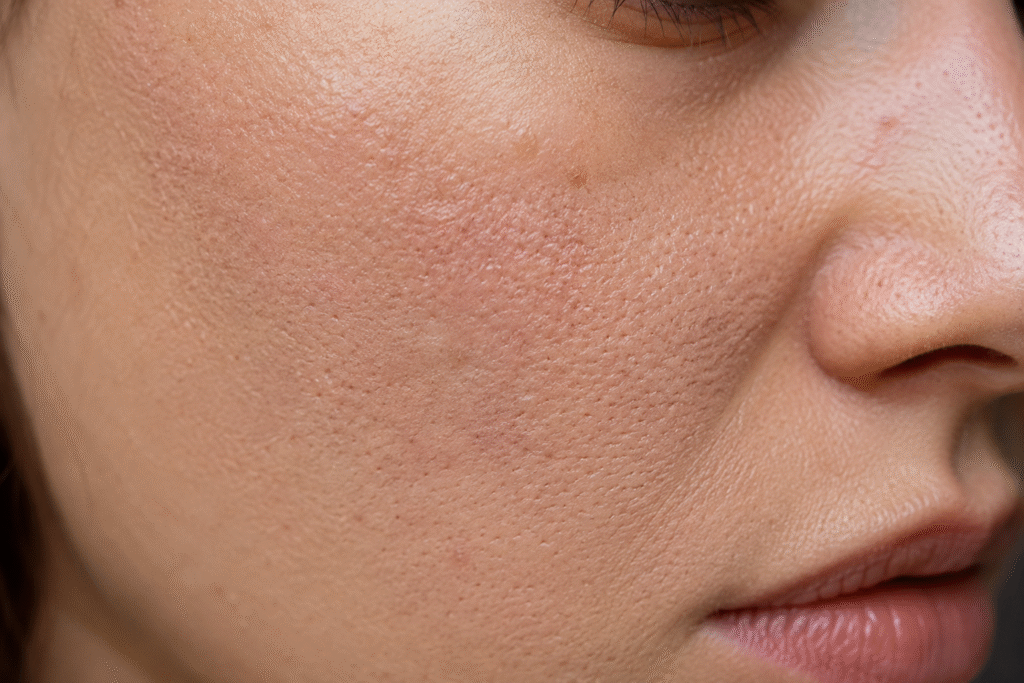
As active ingredients lose stability, you may notice:
- Reduced hydration
- Less effective oil control
- Poorer exfoliation
- Decreased soothing benefits
- Inconsistent performance
In some cases, contamination may also increase the risk of irritation, particularly for people with sensitive skin.
That’s another reason people frequently ask how long does toner last before deciding whether to keep using an older bottle.
Simple Habits That Help Your Toner Last Longer
Fortunately, extending the life of your toner doesn’t require complicated storage methods.
Small daily habits can make a noticeable difference.
Always Close the Cap Tightly
Leaving the bottle open longer than necessary allows oxygen to enter and gradually affect the ingredients.
After each use:
- Replace the cap immediately.
- Tighten it securely.
- Avoid leaving the bottle uncapped while completing the rest of your routine.
Don’t Touch the Opening
Many people accidentally contaminate skincare products by touching the bottle opening.
Instead:
- Pour toner directly onto clean hands.
- Use a fresh cotton pad.
- Avoid placing fingers inside the bottle.
Keeping the opening clean helps reduce the transfer of bacteria.
Keep It Away From Heat
Bathrooms are convenient, but they’re not always the ideal storage location.
Heat and humidity fluctuate throughout the day, especially after hot showers.
Better storage locations include:
- Bedroom drawers
- Vanity organizers
- Cabinets away from windows
- Cool shelving units
Stable temperatures help preserve the integrity of many skincare ingredients.
Avoid Sharing Skincare Products
Sharing skincare may also introduce bacteria into the bottle.
If multiple people use the same toner:
- Avoid touching the opening.
- Use clean cotton pads each time.
- Close the bottle promptly after use.
Good hygiene practices benefit both the product and your skin.
Getting the Most Out of Every Bottle
Many people worry about wasting skincare products before finishing them.
Fortunately, there are several ways to ensure you use your toner before it reaches the end of its recommended lifespan.
Consider these habits:
- Use it consistently morning and evening if appropriate.
- Store only one open bottle at a time.
- Avoid opening multiple toners simultaneously.
- Purchase sizes that match your typical usage.
- Check expiration dates before buying backups.
These simple adjustments help reduce waste while ensuring you’re always applying fresh products.
Choosing the Right Toner for Your Skin
Shelf life matters, but choosing the right formula is equally important.
Different skin types benefit from different kinds of toners.
Dry Skin
Look for formulas containing:
- Hyaluronic acid
- Glycerin
- Panthenol
- Ceramides
These ingredients help replenish moisture and support the skin barrier.
Oily Skin
Lightweight formulations containing balancing ingredients may help reduce excess oil without over-drying the skin.
Examples include:
- Niacinamide
- Witch hazel (when well tolerated)
- Zinc PCA
Sensitive Skin
Gentle formulas often include soothing ingredients such as:
- Centella Asiatica
- Aloe vera
- Chamomile
- Oat extract
Avoid highly fragranced products if your skin is easily irritated.
Find the Right Mosheko Toner for Your Routine
Choosing a toner that suits your skin type is just as important as knowing how long does toner last. A well-formulated toner should not only complement your skincare routine but also provide the hydration, cleansing, or balancing benefits your skin needs every day.
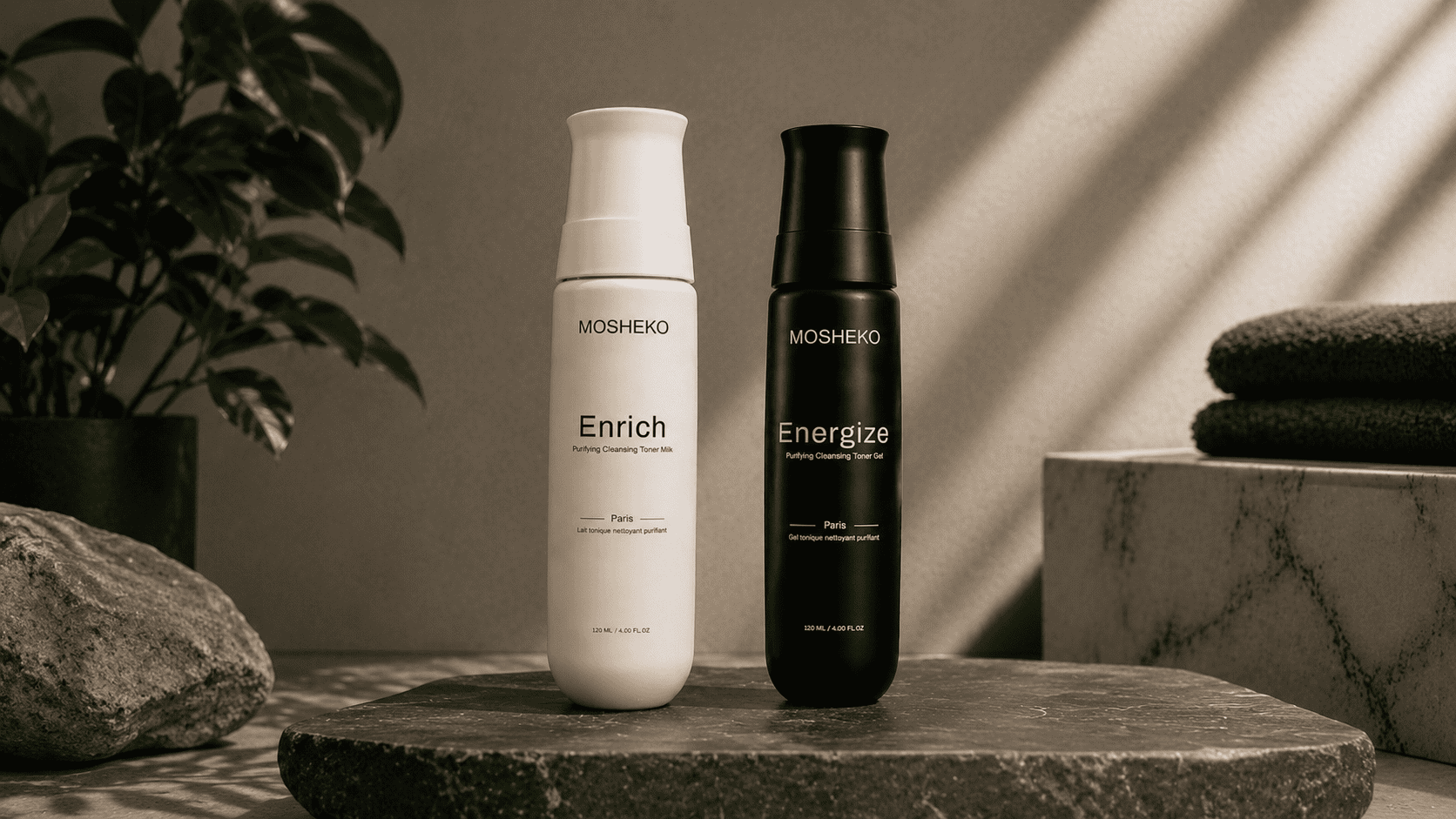
Mosheko Energize Cleansing Toner Gel
If you enjoy lightweight, refreshing skincare, Mosheko Energize Cleansing Toner Gel is an excellent addition to your routine. Its gel texture helps remove leftover impurities after cleansing while refreshing the skin without leaving it feeling stripped or tight.
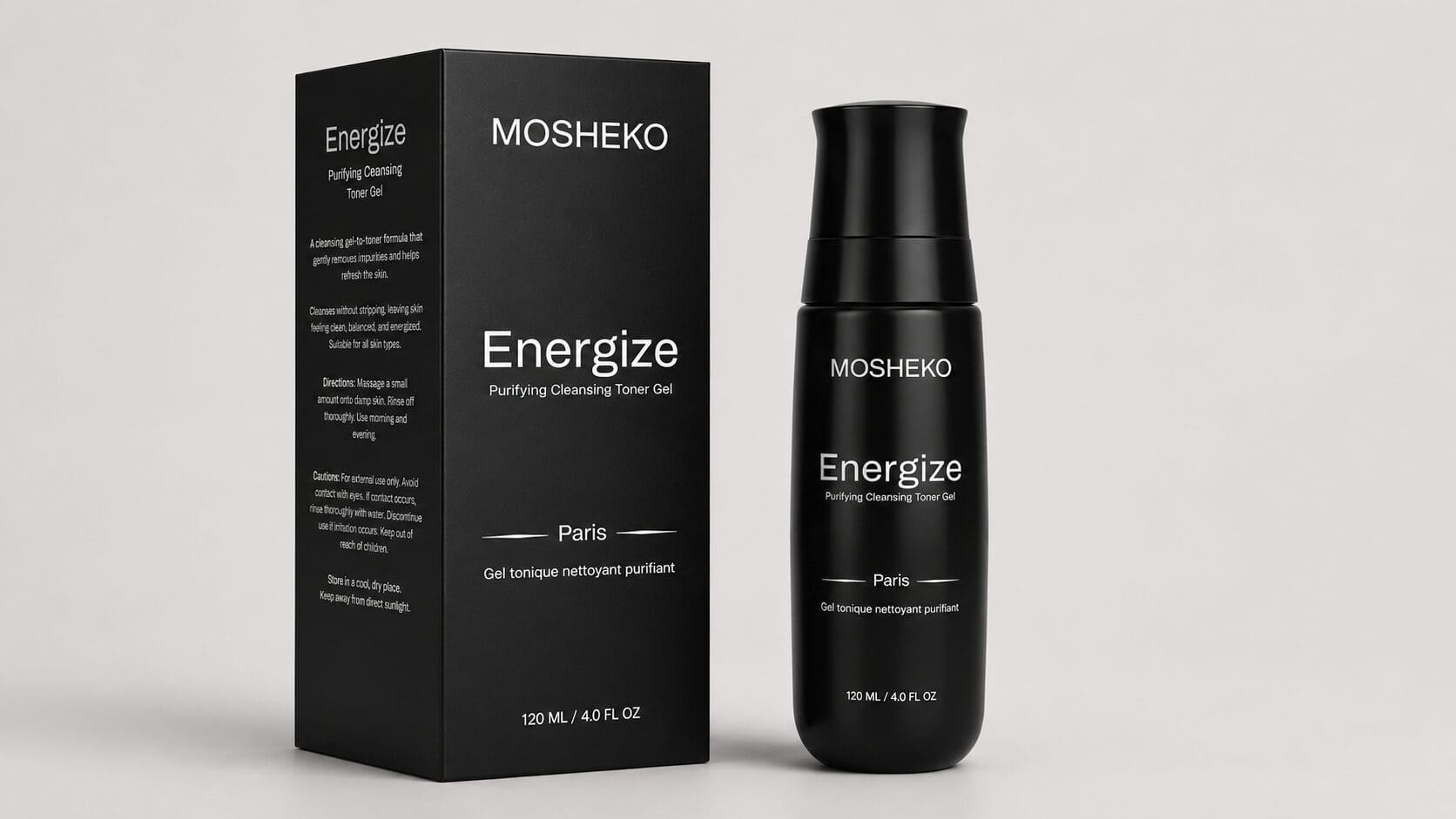
It may be an ideal choice for individuals looking to:
- Refresh tired-looking skin
- Remove residual impurities
- Prepare skin for serums and moisturizers
- Enjoy a lightweight toner texture
Using a fresh toner consistently helps maximize its performance, making proper storage and timely replacement especially important.
Mosheko Enrich Cleansing Toner Milk
For those with dry or mature skin, Mosheko Enrich Cleansing Toner Milk offers a richer, more nourishing experience. Its milky texture helps comfort the skin while providing gentle hydration after cleansing.
It may be suitable for people who want to:
- Support the skin barrier
- Reduce feelings of dryness after cleansing
- Maintain soft, comfortable skin
- Prepare the complexion for the next skincare steps
Whichever toner you choose, using it within its recommended lifespan helps ensure you’re getting the full benefits of the carefully selected ingredients.
Quick Questions People Often Ask
Yes. Most toners are designed for daily use, although exfoliating toners should always be used according to the manufacturer’s recommendations.
Not necessarily. Refrigeration may provide a cooling sensation for some formulations, but proper room-temperature storage is sufficient for most products unless otherwise directed.
Yes. Even sealed products have expiration dates. Always check the packaging before use.
You can, but opening several bottles at once may increase the likelihood that one will expire before you finish it. Rotating through multiple products slowly can lead to unnecessary waste.
Toner Myths vs. Facts
With so many skincare trends circulating online, it’s easy to come across conflicting advice about toner. Understanding what’s true—and what’s simply a misconception—can help you make better decisions about your skincare routine.
Myth: Toner Lasts Forever if It Still Looks Fine
Fact: One of the biggest misconceptions is that a toner is safe indefinitely as long as the liquid hasn’t changed color or smell.
In reality, active ingredients gradually lose their potency over time, even if the product appears perfectly normal. If you’ve been wondering how long does toner last, remember that effectiveness often declines before visible signs of expiration appear.
Myth: Every Toner Has the Same Shelf Life
Fact: Shelf life varies depending on several factors, including:
- The formulation
- The preservative system
- Active ingredients
- Packaging
- Storage conditions
Some hydrating toners remain stable longer than exfoliating formulas, while products containing botanical extracts may require closer attention to expiration dates.
Myth: Refrigeration Is Always Necessary
Fact: While chilled toner can feel refreshing, refrigeration isn’t required for most products.
A cool, dry place away from direct sunlight is usually enough to help maintain product stability.
Always follow the manufacturer’s storage recommendations rather than assuming every toner belongs in the refrigerator.
Myth: Using More Toner Makes It Last Longer on Your Skin
Fact: Applying excessive amounts doesn’t increase effectiveness.
Instead:
- Use only enough to lightly cover the skin.
- Apply evenly.
- Allow it to absorb before moving on to the next skincare step.
This approach not only prevents product waste but also helps you finish each bottle before it reaches the end of its recommended lifespan.
Tips for Making Every Bottle Count
Once you understand how long does toner last, you’ll naturally want to make the most of every bottle you purchase.
These practical habits can help maximize both freshness and value.
Buy the Right Size
If you only use toner once a day, purchasing an oversized bottle may not always be the most economical choice.
Smaller bottles often allow you to:
- Finish the product sooner.
- Reduce waste.
- Keep your routine fresh.
- Try new formulations without committing to large quantities.
Stick to a Consistent Routine
One of the easiest ways to finish your toner before it expires is simply to use it consistently.
For many people, that means:
Morning
- Cleanser
- Toner
- Serum
- Moisturizer
- Sunscreen
Evening
- Cleanser
- Toner
- Treatment products
- Moisturizer
Consistency benefits both your skin and your skincare products.
Avoid Stockpiling Too Many Backups
Sales and promotions make it tempting to purchase multiple bottles at once.
However, skincare products continue aging even while unopened.
Instead of keeping years’ worth of toner in storage:
- Buy what you’ll realistically use.
- Check expiration dates.
- Rotate products before opening new bottles.
A Simple Checklist Before Using Older Toner
If you discover an older bottle in your bathroom cabinet, ask yourself these questions before applying it.
✔ Is it still within the expiration date?
✔ Is it within the recommended Period After Opening?
✔ Has the color remained the same?
✔ Does it smell normal?
✔ Has the texture changed?
✔ Has it been stored properly?
✔ Does it still feel comfortable on your skin?
If you answer “no” to several of these questions, replacing the product is usually the safest option.
Why Fresh Skincare Supports Better Results
Healthy-looking skin depends on more than simply following the right routine, it also depends on using products that are performing as intended.
Fresh toner can help:
- Prepare the skin after cleansing.
- Improve absorption of following products.
- Support hydration.
- Remove remaining impurities.
- Refresh the complexion.
While expired toner isn’t guaranteed to cause problems, using fresh products gives you the greatest opportunity to experience their intended benefits.
Understanding how long does toner last helps you make informed decisions that support both your skin and your investment in quality skincare.
Final Thoughts
Knowing how long does toner last can help you build a safer and more effective skincare routine. While most toners remain usable for several months after opening, their actual lifespan depends on the formulation, ingredients, packaging, and how they’re stored.
Rather than relying solely on appearance, make it a habit to check expiration dates, follow the recommended Period After Opening, and store your toner in a cool, dry place. Small habits like tightly closing the cap and avoiding contamination can go a long way toward preserving product quality.
Whether you prefer a lightweight gel formula or a nourishing milky toner, using products while they’re still fresh allows you to get the most out of their active ingredients and enjoy better skincare results.
The next time you find yourself asking how long does toner last, you’ll know the answer goes beyond a simple number. Paying attention to storage, expiration dates, and changes in the product can help ensure every application supports healthy, refreshed skin.
Ultimately, understanding how long does toner last is about making informed choices. Replacing toner when necessary, storing it correctly, and choosing a formula that suits your skin type are simple steps that can make a noticeable difference in your daily skincare routine