

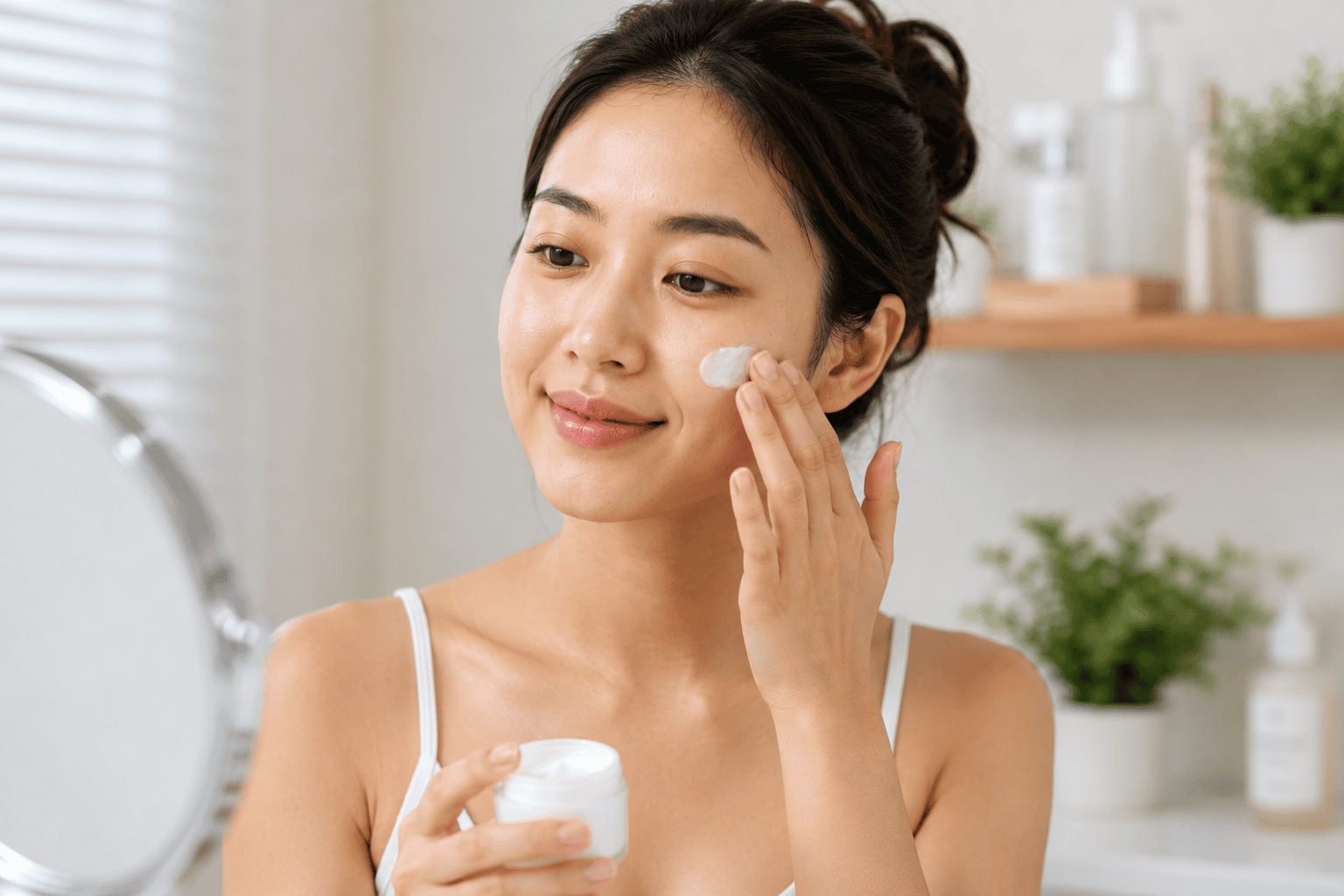
Moisturizer looks simple: put it on, rub it in, and move on. But one question comes up again and again: how much moisturizer should I use?
Using too little can leave skin dry, tight, or rough. Using too much can make skin greasy, cause pilling, or waste product. The goal is the middle path: enough for comfort, not so much that it sits on top.
If you are wondering how much moisturizer should I use, the short answer is: start small, spread it well, and adjust based on how your skin feels. The right amount depends on the product, your skin type, the weather, and whether you are also moisturizing your neck.
This guide explains how to find the right amount, how to apply it, and how to tell when your skin needs more or less.
Why the Amount Matters

Moisturizer helps support the skin barrier and slow water loss. It can contain humectants, emollients, and occlusives. These ingredients do different jobs, but more product does not always mean more hydration.
According to the American Academy of Dermatology, there is no universal measurement for moisturizer; dermatologists recommend applying enough to keep the skin hydrated and adjusting based on your skin’s needs.
Think coverage, not thickness. Your goal is a comfortable, even layer across the skin. Too little can miss spots, especially around the cheeks, jawline, and sides of the nose. Too much can leave a heavy film on the surface.
A good amount should leave your skin soft and calm, not coated.
How Much Moisturizer Should I Use on My Face?

A useful starting point for most facial moisturizers is a pea-sized to nickel-sized amount.
That is only a guide. A light gel may need a bit more than a rich cream, while a very dense balm may need less.
If you are asking how much moisturizer should I use, begin with a small amount and spread it over the face. If your skin still feels dry, add a little more instead of starting with a large scoop.
You can also place small dots on your forehead, cheeks, chin, and nose, then spread them outward. This helps you get even coverage without using too much by mistake.
The Two-Finger Rule
You may have heard of the two-finger rule in skincare. That rule is mostly for sunscreen, not moisturizer.
For sunscreen, the amount matters because too little can reduce the protection on the label. Moisturizer is different.
There is no fixed two-finger rule for facial moisturizer. Instead, how much moisturizer should I use depends on the formula and your skin’s needs.
For moisturizer, focus on smooth, even coverage rather than a strict measure.
How Much Moisturizer Should I Use for Dry Skin?
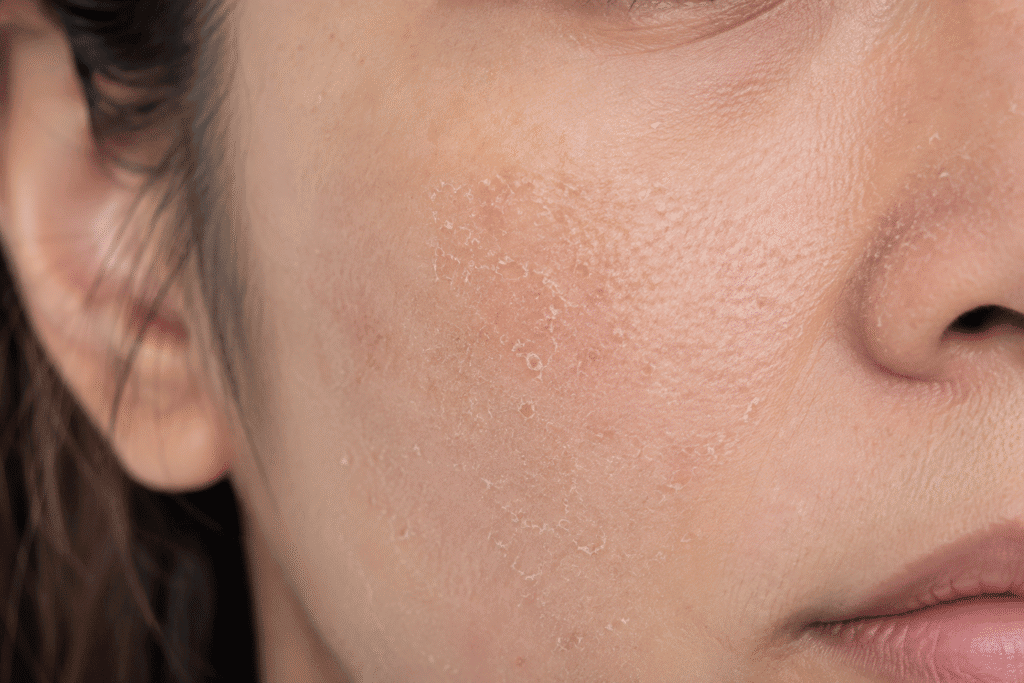
Dry skin may need a little more, especially when it feels tight, rough, or flaky.
If you have dry skin, how much moisturizer should I use can change with the season. Cold or dry weather may call for more than a humid summer.
A good approach is to apply your normal layer first. Let it settle. If your skin still feels tight, add a thin second layer to the driest areas.
You can also choose a richer moisturizer with glycerin, ceramides, squalane, or other emollients that support hydration and the skin barrier.
The key is not just how much moisturizer should I use, but whether the amount and formula fit your skin.
How Much Moisturizer Should I Use for Oily Skin?
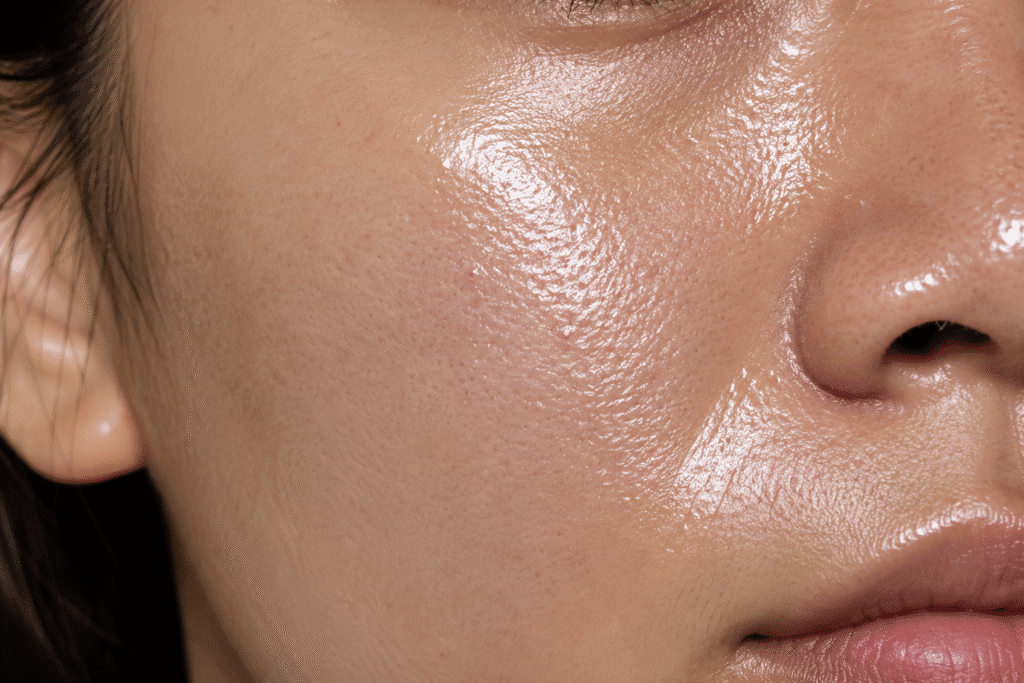
Oily skin still needs hydration.
The main goal is to find a texture that feels good and use a small amount.
If you have oily skin, how much moisturizer should I use may be a little less than someone with very dry skin, especially if you are using a light gel or lotion.
Start small and spread it evenly. If your skin feels fine after application, you usually do not need to keep adding more.
Light gels, water-based lotions, and non-greasy formulas may feel better if rich creams feel heavy.
Remember that oil and water are not the same thing. Oily skin can still be dry inside.
If you have oily, acne-prone skin and want to learn more about choosing the right moisturizer, read our guide, “Lightweight Moisturizer for Oily Acne Prone Skin,” for more tips on keeping your skin hydrated without feeling greasy or heavy.
How Much Moisturizer Should I Use for Combination Skin?
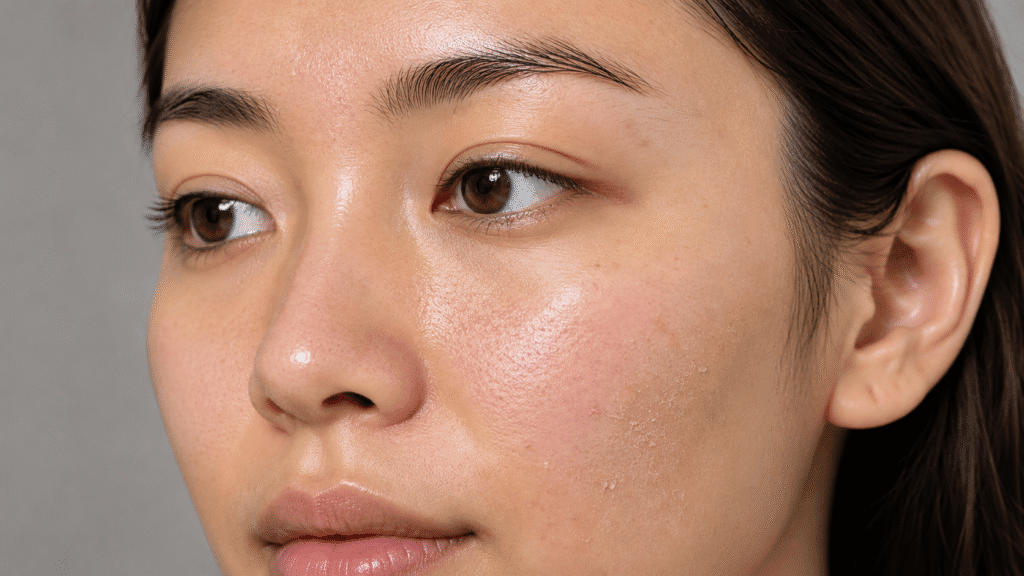
Combination skin can make the question how much moisturizer should I use a little more tricky.
You may have an oily T-zone and drier cheeks. Using the exact same amount everywhere may not work well for each area.
A simple plan is to apply a moderate, even layer across the face, then add a bit more only where it feels dry.
For example, your cheeks may need more than your forehead. That helps you avoid heavy buildup in places that already feel oily.
How Much Moisturizer Should I Use on My Neck?

The neck is often part of skincare, but it is easy to forget.
If you apply moisturizer to your neck, you will usually need more than you would for the face alone.
A practical approach is to use your normal face amount and add enough to cover the front and sides of your neck.
So if you are wondering how much moisturizer should I use for face and neck, treat the neck as its own area.
The product should glide over the skin without hard rubbing or tugging.
Does More Moisturizer Mean More Hydration?
Not always.
It is easy to think that if a little helps, more must help more. But skin care does not work like that every time.
Once the skin is covered, extra product may just sit on top.
So the better question is not only how much moisturizer should I use, but also what your skin needs from the product.
If your skin still feels dry after a steady amount, the issue may be the formula, your cleanser, other products, or the air around you.
Signs You Are Using Too Little Moisturizer
Your skin can give you clues when you need more.
You may be using too little if:
- Your skin feels tight soon after cleansing.
- Your cheeks feel rough or dry.
- You notice flaky patches.
- Your skin looks dull or feels uncomfortable.
- Some areas dry out before the end of the day.
- The moisturizer seems to vanish, but your skin still feels dry.
If these signs show up, try a slightly larger amount instead of changing your whole routine.
You can also apply moisturizer while your skin is still a bit damp after cleansing. That often helps it spread more smoothly.
Signs You Are Using Too Much Moisturizer
Too much can cause its own problems.
If your skin feels greasy, sticky, or heavy after moisturizing, you may be using more than you need.
Other signs include:
- Your face stays coated long after application.
- Makeup slides or gets hard to layer.
- Skincare products pill.
- Your skin feels oddly heavy.
- Product gathers around facial lines.
- You keep adding more even though your skin already feels fine.
If this sounds familiar, try using less.
When thinking about how much moisturizer should I use, remember that the goal is comfort, not a thick visible layer.
Why Your Moisturizer Might Pill
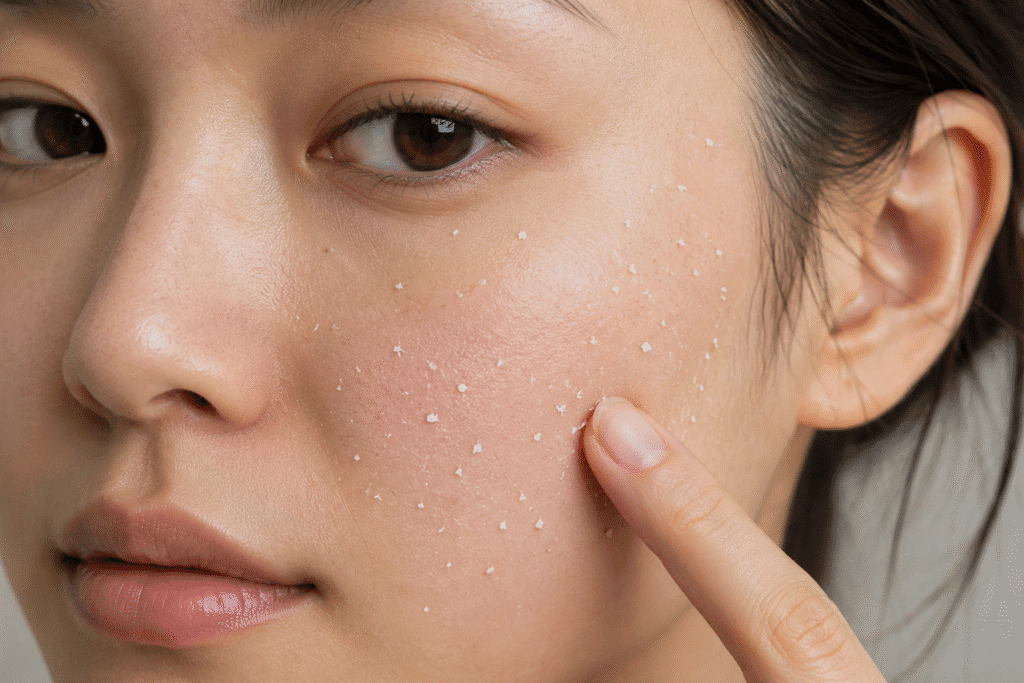
Pilling happens when products ball up or flake on the skin instead of blending well.
Too much moisturizer can add to pilling, but it is not the only cause.
Other causes include layering too fast, rubbing too hard, mismatched textures, or ingredients that do not work well together.
If your moisturizer pills, use less and give each step time to settle.
This is another place where knowing how much moisturizer should I use helps. A thin, even layer often works better than a thick one.
Should I Apply Moisturizer Before or After Serum?
Moisturizer usually comes after lighter products such as water-based serums.
A simple routine looks like this:
- Cleanser
- Serum or treatment, if used
- Moisturizer
- Sunscreen in the daytime
If you use a hydrating serum, you do not need to make up for it with a huge amount of moisturizer. Use enough to seal in the routine and support the skin barrier.
Knowing how much moisturizer should I use matters even more when you are layering products, because every layer changes how the routine feels.
Should I Moisturize in the Morning and at Night?
For many people, moisturizing twice a day helps keep skin steady.
Morning may call for a lighter layer, especially if sunscreen or makeup goes on top. Night may call for a richer one if your skin dries out while you sleep.
That means how much moisturizer should I use can be different from morning to night.
There is no rule that says the amount must be the same every time. Your skin and products should guide you.
How Much Moisturizer Should I Use in Humid Weather?
Weather matters more than many people think.
In hot, humid weather, a rich moisturizer can feel heavy even if your skin is not very oily. A lighter lotion or gel may feel better.
If you live in a humid place, how much moisturizer should I use may be less than what you would use in cold, dry weather.
Instead of just changing the amount, think about changing the texture.
How Much Moisturizer Should I Use in Cold Weather?
Cold air can make skin feel dry, and indoor heat can make it worse.
In those conditions, your skin may do better with a richer formula or a thin extra layer on dry spots.
If you are wondering how much moisturizer should I use in winter, do not assume you need to double it.
Start with your usual amount and watch how your skin feels. If it still feels tight, raise the amount a little or switch to a richer product.
Sometimes the better fix is a better formula, not just more product.
Should I Put Moisturizer Under My Eyes?
The skin around the eyes is delicate, and some people prefer a separate eye product.
If your face moisturizer is gentle and does not irritate your eyes, a tiny amount around the eye area may be fine. Do not get it in your eyes.
You do not need a thick layer there. A very small amount spread gently is often enough.
What About Moisturizer If I Have Acne-Prone Skin?
Acne-prone skin still needs moisture.
Skipping moisturizer because you worry about breakouts can make acne care harder, especially if you use drying treatments.
If you have acne-prone skin, choose a moisturizer that fits your skin type and feels light enough for daily use.
When deciding how much moisturizer should I use, start with a thin, even layer. Add a little more only to dry areas caused by treatment.
If a moisturizer keeps causing irritation or breakouts, changing the product may help more than changing the amount.
How to Apply Moisturizer Correctly
Knowing how much moisturizer should I use is only part of the job. How you apply it matters too.
Start with clean skin and use your other skin care steps as needed.
Step 1: Take a small amount.
Begin with a modest amount instead of scooping out a lot at once.
Step 2: Place it on the face.
Put small dots on the forehead, cheeks, chin, and nose.
Step 3: Spread gently.
Use your fingertips to spread the moisturizer evenly. Avoid hard rubbing.
Step 4: Add a little more if needed.
If some areas still feel dry, add a small amount just there.
Step 5: Let it settle.
Give it a little time before makeup or other products.
This makes it easier to control how much moisturizer should I use without wasting product.
Does Moisturizer Run Out Faster If I Use More?
Yes, using more product will make you finish it faster.
That does not mean you should under-use moisturizer just to make it last longer. Skin care is meant to be used.
Still, using a large amount every day can empty a bottle fast without adding much benefit.
If you keep using several pumps or big scoops, ask whether your skin truly needs that much.
A steady, controlled amount can make your routine more efficient and more affordable.
A Simple Way to Find Your Best Amount
If you are still unsure how much moisturizer should I use, try a simple test.
For a few days, use the same small amount. Spread it evenly and let it settle.
Then check your skin after 10 to 20 minutes.
Does it feel calm and comfortable?
If yes, the amount is probably fine.
If it still feels tight or dry, add a little more.
If it feels greasy or coated, use less next time.
Repeat until you find the amount that gives you comfort without heaviness.
Your best amount does not have to match anyone else’s.
Moisturizer Amount vs. Moisturizer Formula
It is easy to focus so much on how much moisturizer should I use that you forget the formula itself.
A light gel and a thick cream are not the same.
A small amount of a rich cream may give more coverage than a larger amount of a light lotion. A gel may also spread over a wider area.
That is why teaspoon or pump rules should be treated as starting points, not fixed rules.
The texture and strength of the product matter.
Your skin’s needs matter.
Your climate matters too.
What If My Skin Still Feels Dry After Moisturizing?
If you use moisturizer often and your skin still feels dry, more and more may not solve it.
Think about whether you are using a harsh cleanser, scrubbing too often, using irritating active ingredients, or living in a very dry space.
You may also need a moisturizer with ingredients better suited to your skin.
If dryness, redness, burning, cracking, or strong irritation keeps going, talk with a skin doctor or another qualified healthcare professional.
Sometimes the issue is not how much moisturizer should I use, but what is happening before and after you put it on.
The Bottom Line: How Much Moisturizer Should I Use?
So, how much moisturizer should I use?
For most people, a small amount, about pea-sized to nickel-sized for the face, is a good place to start. But there is no single amount that fits everyone.
The right amount depends on your moisturizer’s texture, your skin type, the weather, and whether you also cover your neck.
The best plan is to use enough for a smooth, even layer. If your skin still feels dry, add a little more. If it feels greasy or coated, use less.
Most of all, do not assume that more product means better results.
When asking how much moisturizer should I use, listen to your skin. Calm, hydrated skin tells you more than a measuring spoon.
A good routine is not about using the most product. It is about using the right product, in the right amount, consistently.
Once you find the amount that keeps your skin comfortable without extra heaviness, you can stop worrying and just stick with what works.
Q&A
Not always. A pea-sized to nickel-sized amount is a useful starting point, but the best amount depends on the formula, your skin type, and your environment. A light gel may need a little more to cover the face well, while a rich cream or balm may need less. The best sign is whether your skin feels even, soft, and not greasy or coated.
You do not have to use the exact same amount every time. Morning may work better with a lighter layer, especially if you follow it with sunscreen or makeup. Night may work better with a richer formula or a slightly larger amount if your skin feels dry while you sleep. Adjust based on feel and layering.
First, add a small amount only to the dry spots instead of putting on a thick layer everywhere. If dryness keeps going even after using enough product, the issue may be the formula, your cleanser, too much scrubbing, irritating active ingredients, or dry air. A richer moisturizer or a routine change may help more than simply using more.
Yes. Extra moisturizer can sit on the skin and form little balls or flakes, which is pilling. But pilling can also happen if products are layered too fast, rubbed too hard, or mixed with mismatched textures. Try a thinner, even layer and give each step time to settle.
Combination skin often does best with a flexible plan. Apply a moderate, even layer across the face, then add a little more only where skin feels dry, like the cheeks. Oily areas, such as the T-zone, may need less product or a lighter texture. That keeps the routine balanced without feeling heavy.