

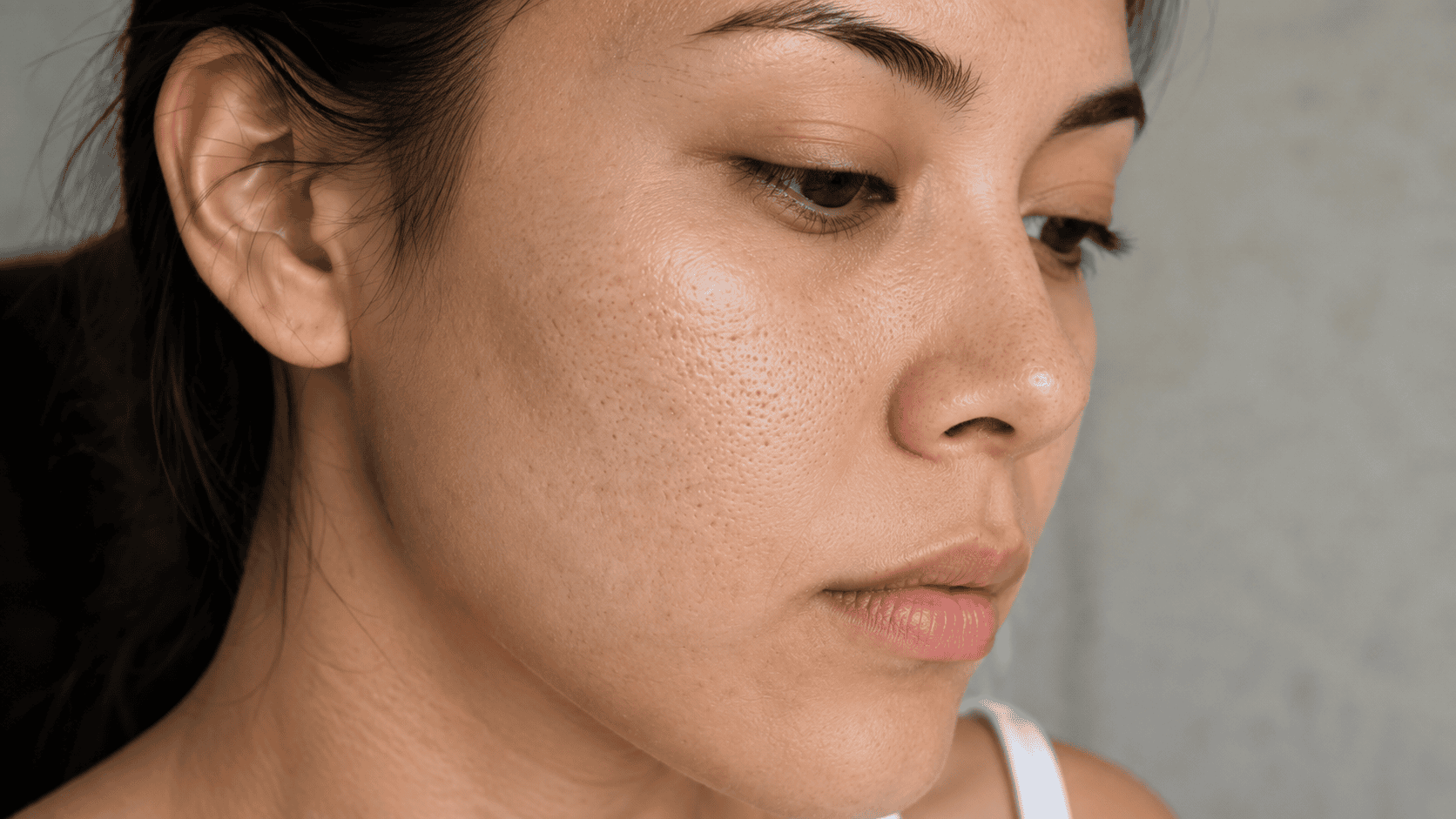
How to reduce pores on face starts with understanding why they may look more obvious than they used to. They are often easiest to see on the nose, cheeks, forehead, and chin, where oil production is higher. Age, sun exposure, genetics, and the condition of the surrounding skin can all affect how noticeable they appear.
If you are trying to minimize the appearance of pores, start with the basics: pores are normal openings connected to hair follicles and oil glands. They help sebum and sweat reach the skin’s surface, so you cannot erase them permanently.
The real goal is simpler: make pores look cleaner, smoother, and less noticeable.
Gentle cleansing, light exfoliation, hydration, sun protection, and active ingredients like salicylic acid and retinoids can help improve their appearance over time. Skin experts also note that genetics, oil production, aging, and sun damage can all influence how prominent pores look.
Can You Actually Shrink Your Pores?
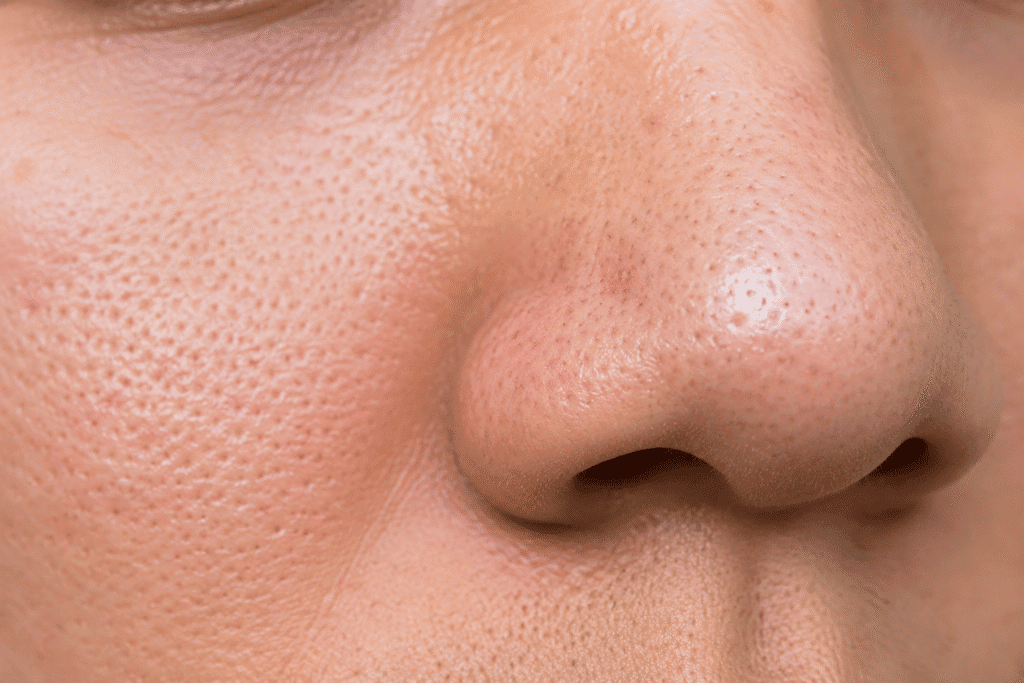
No. Pores do not open and close like tiny doors.
Genetics plays a big part, so some people naturally have more visible pores than others. Oil, age, skin firmness, and sun damage can also make pores look larger.
According to the American Academy of Dermatology (AAD), you cannot permanently shrink pores, but the right skincare can make them appear less noticeable by keeping them clear and reducing factors that make them look larger.
That means no skin care product can make pores disappear forever. But you can make them appear smaller by keeping them clear and supporting healthy skin turnover.
Why Do Facial Pores Look Larger?
Genetics
If visible pores run in your family, you may have larger-looking pores too. You cannot change your genes, but you can still improve how they look by controlling other factors.
Excess Oil
Oil is normal, but too much of it can make pores stand out. The nose and forehead often have more oil glands, which is why the T-zone can look especially shiny.
Clogged Pores
Dead skin cells and extra oil can build up inside hair follicles. That buildup can make pores look more open and can also lead to blackheads or whiteheads.
Sun Exposure
Long-term sun exposure can break down collagen and elastin, the proteins that help skin stay firm. When skin loses support, pores can look larger.
Aging
As skin ages, it often loses some firmness. Pores may look bigger even if the pores themselves have not changed much.
Skincare Products
Some heavy or clog-prone products may add to pore blockage, especially if your skin already gets congested. Choosing lighter, non-clogging products can help.
How to Reduce Pores on Face Without Complicating Your Routine
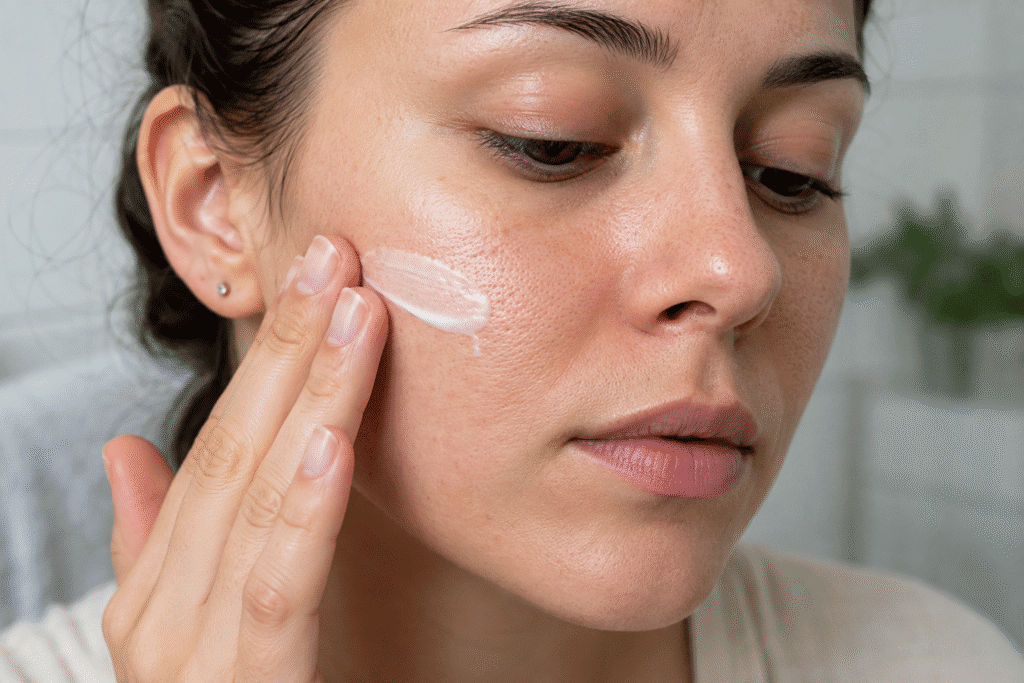
You do not need a 10-step plan. In fact, too many strong scrubs, acids, and masks can irritate skin and make texture look worse.
A better plan is to keep things simple and steady.
1. Start with a gentle cleanser
Cleansing helps remove oil, sunscreen, makeup, sweat, and daily buildup. But scrubbing harder does not mean cleaning better. Wash with a gentle face cleanser and lukewarm water.
2. Use salicylic acid for pore congestion
Salicylic acid is a beta hydroxy acid, or BHA. Unlike many surface actives, it can go into oil-filled follicle openings and help loosen buildup. It can be a good pick for blackheads, whiteheads, oily skin, and rough texture.
You may start with a cleanser that contains salicylic acid. If your skin handles it well, you can try other forms later. Just remember that more is not always better.
3. Consider retinol or a retinoid
Retinol helps skin turn over faster, may prevent clogs, and can support collagen. Those changes can make pores look less obvious over time.
Start slowly, especially if your skin is new to retinoids. If you want prescription-strength tretinoin, speak with a doctor.
4. Do not skip moisturizer
If your skin is oily, you may think moisturizer will make pores worse. Usually, it will not. Dry skin can look rougher, and strong treatments can make skin feel tight.
Choose a light, non-clogging moisturizer that fits your skin type.
5. Wear sunscreen every day
UV light breaks down collagen and elastin. A broad-spectrum sunscreen helps protect skin structure and can slow the changes that make pores look larger.
6. Exfoliate with care
Use gentle chemical exfoliants instead of harsh scrubs. A simple routine that your skin tolerates is usually better than a strong routine that leaves your face red and sore.
7. Pick non-clogging products
Look at your whole routine, not just your cleanser. Makeup, primer, moisturizer, and sunscreen can all affect congestion. Watch how your skin reacts over time and remove products that seem to cause more buildup.
A Simple Morning Routine for Less Noticeable Pores
Step 1: Cleanse
Use a gentle cleanser to remove overnight oil and buildup.
Step 2: Apply a light treatment
Depending on your skin and goals, this may include a product with vitamin B3 or another compatible ingredient.
Step 3: Moisturize
Use a light moisturizer if your skin needs it.
Step 4: Apply sunscreen
Finish with broad-spectrum sunscreen.
The most important thing is consistency. A routine you can keep up with every day is more useful than a longer routine you quit after a week.
A Simple Evening Routine
Night is a good time for retinol or certain skin-smoothing products.
A basic routine can be:
Cleanse → treatment → moisturizer
If you use salicylic acid, you do not need to pair it with several other exfoliants. You can also alternate active ingredients based on how your skin feels. For example, one night can focus on retinol and another on hydration.
What About Ice? Can Cold Water Shrink Pores?
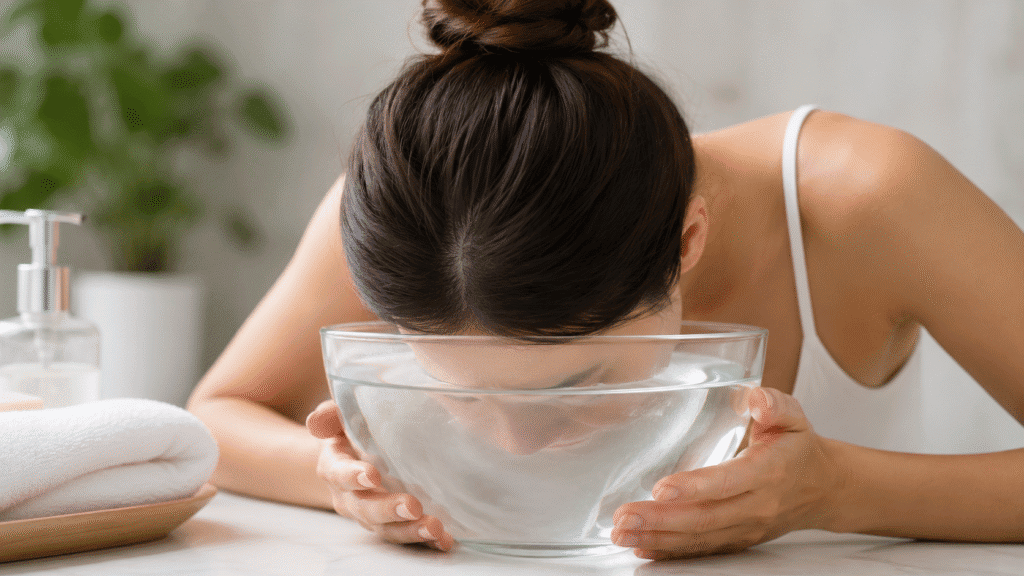
Cold water or ice can make skin feel tighter for a short time. That can make pores look a little less noticeable, but it does not change pore size for good.
If you enjoy cool water, that is fine. Just do not make it the base of your pore care plan.
Do Pore Strips Actually Work?
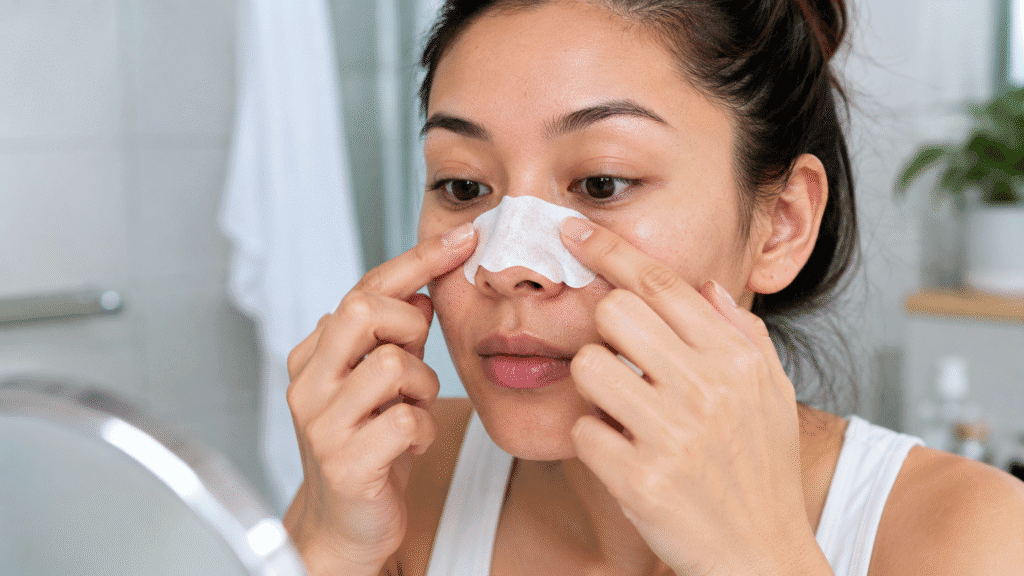
Pore strips can pull out some material from the surface, so skin may look cleaner right after use. But they do not shrink pores.
They can also remove sebaceous filaments, which are normal oil structures in pores. Those filaments refill over time. Repeated squeezing or stripping can irritate skin.
If you keep reaching for pore strips, it may be better to focus on the cause of the buildup instead.
What Are Those Tiny Dots on Your Nose?
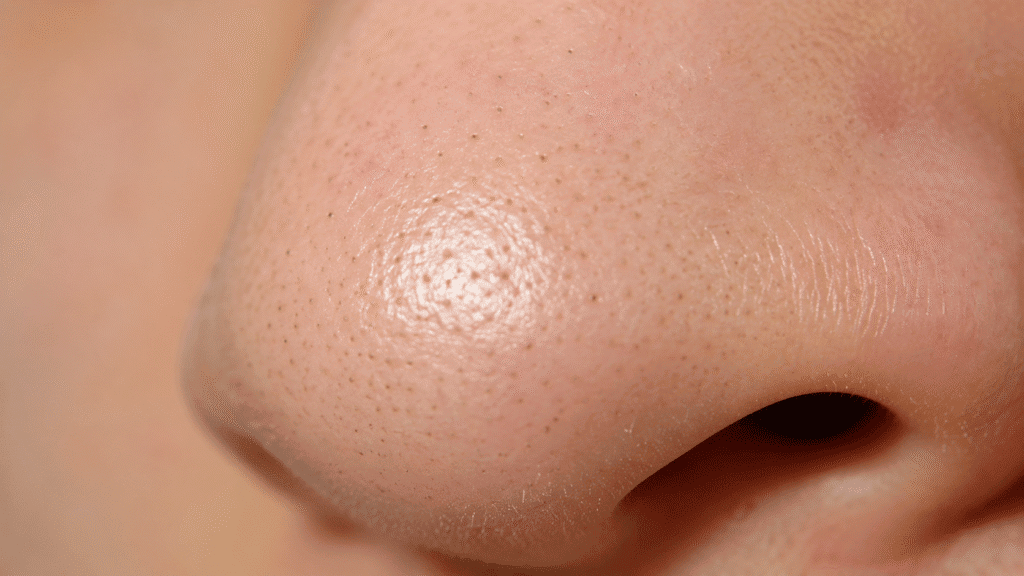
Not every dark or visible dot is a blackhead. Some are sebaceous filaments, which are normal and help move oil through the pore.
They are common on the nose and chin. You do not need to remove them all. Trying to squeeze them again and again can irritate skin and make the pore look worse.
Can Clay Masks Help With Large-Looking Pores?
Clay masks can soak up extra oil and make skin look more matte for a short time. That can make pores look less obvious right after use.
But clay does not shrink pores for good. If a mask leaves your skin tight or dry, use it less often or choose a gentler one.
What About Professional Treatments?
If your pores still look very noticeable after a steady routine, a doctor can help. Options may include chemical peels, microneedling, RF microneedling, and some laser treatments.
Microneedling
Microneedling uses tiny controlled needles to trigger a healing response. It may help skin texture look smoother.
Chemical Peels
Chemical peels use acids to remove dead or damaged skin cells. A professional can help you choose a strength that fits your skin.
Laser Treatments
Some lasers can target skin texture and sun damage. The right choice depends on your skin type, history, and goals.
Things You Should Avoid When Trying to Minimise Pores
- Do not squeeze pores with your fingers.
- Do not scrub your face hard.
- Do not stack several strong acids at once.
- Do not wash your face again and again just because it looks oily.
- Do not expect overnight change.
- Be careful with viral pore shrinking hacks that promise too much.
How Long Does It Take to See a Difference?
Some changes happen fast. Washing away extra oil can make skin look cleaner right away.
Other changes take time. Retinol and other retinoids can take weeks before you see much progress. Give your routine enough time, but stop or slow down if your skin gets red, sore, very dry, or inflamed.
How to Reduce Pores on Face Based on Your Skin Type
Oily Skin
Focus on gentle cleansing, non-clogging products, and ingredients that help with congestion. Salicylic acid can be useful if blackheads are common.
Dry Skin
Do not focus only on oil control. A dry or damaged skin barrier can make texture stand out. Use gentle cleansing, hydration, moisturizer, and sunscreen.
Combination Skin
You may not need the same routine on your whole face. The nose and forehead may need more pore care, while the cheeks may need more moisture.
Sensitive Skin
Keep things simple. Add one active ingredient at a time and watch how your skin responds.
The Bigger Picture: Pores Are Not a Skin Problem
It is easy to obsess over pore size, especially when filters and edited photos make skin look unreal. Real skin has pores. Real skin has texture.
The goal is not a poreless face. The goal is healthy skin that looks smooth and feels balanced.
If you want to minimise pores on face, focus on habits that support your skin instead of chasing a perfect finish.
If you want to know how to reduce pores on face, the basics matter most.
A Practical Pore-Minimizing Routine
Morning
Cleanser: Use a gentle cleanser.
Hydration: Apply a light moisturizer if needed.
Sun protection: Finish with broad-spectrum sunscreen.
Evening
Cleanser: Remove makeup, sunscreen, oil, and daily buildup.
Treatment: Use salicylic acid or retinol based on your skin needs and tolerance.
Moisturizer: Support your skin barrier with a suitable moisturizer.
Weekly
You do not need a special pore treatment every week. Check how your skin feels. If it is calm, keep going. If it is dry, sore, or peeling, simplify.
When Should You See a Doctor?
Get professional advice if enlarged-looking pores come with acne, heavy redness, scarring, or strong skin texture issues. A doctor can tell you whether the issue is enlarged pores, acne, sebaceous filaments, scarring, or something else.
This can also help if you have tried several store-bought products and seen no change.
Frequently Asked Questions
No. Pore size is mostly set by genes and skin type. But you can make pores look smaller by keeping them clear, protecting skin from UV light, and managing oil.
There is no single best ingredient. Salicylic acid helps with oil and clogs, while retinoids help with turnover and skin texture over time.
Not if you choose the right one. A light, non-clogging moisturizer can actually help skin stay calm and smooth.
Drinking water is good for your body, but it does not directly shrink facial pores. Pore size is shaped more by genes, oil, skin support, age, and sun exposure.
Yes, it can help pores look less obvious by improving turnover and supporting skin structure. It takes time and can irritate skin if you start too fast.
Final Thoughts
If you have been searching for how to reduce pores on face, start by changing how you think about the problem.
Pores are normal. They help your skin function.
The goal is not to erase them. It is to make them less noticeable while keeping your skin healthy.
Use the basics: cleanse gently, avoid hard scrubbing, keep pores clear, choose non-clogging products, use the right actives, moisturize, and protect your skin from the sun.
If you want to learn more about the factors that affect pore size and the different ways to improve their appearance, read our related guide: How to Shrink Pores: Causes, Treatments, and Tips.
Most of all, be patient. The best answer to how to reduce pores on face is not a miracle product. It is a simple routine that matches your skin’s real needs.
Healthy skin does not need to be poreless to look good.