
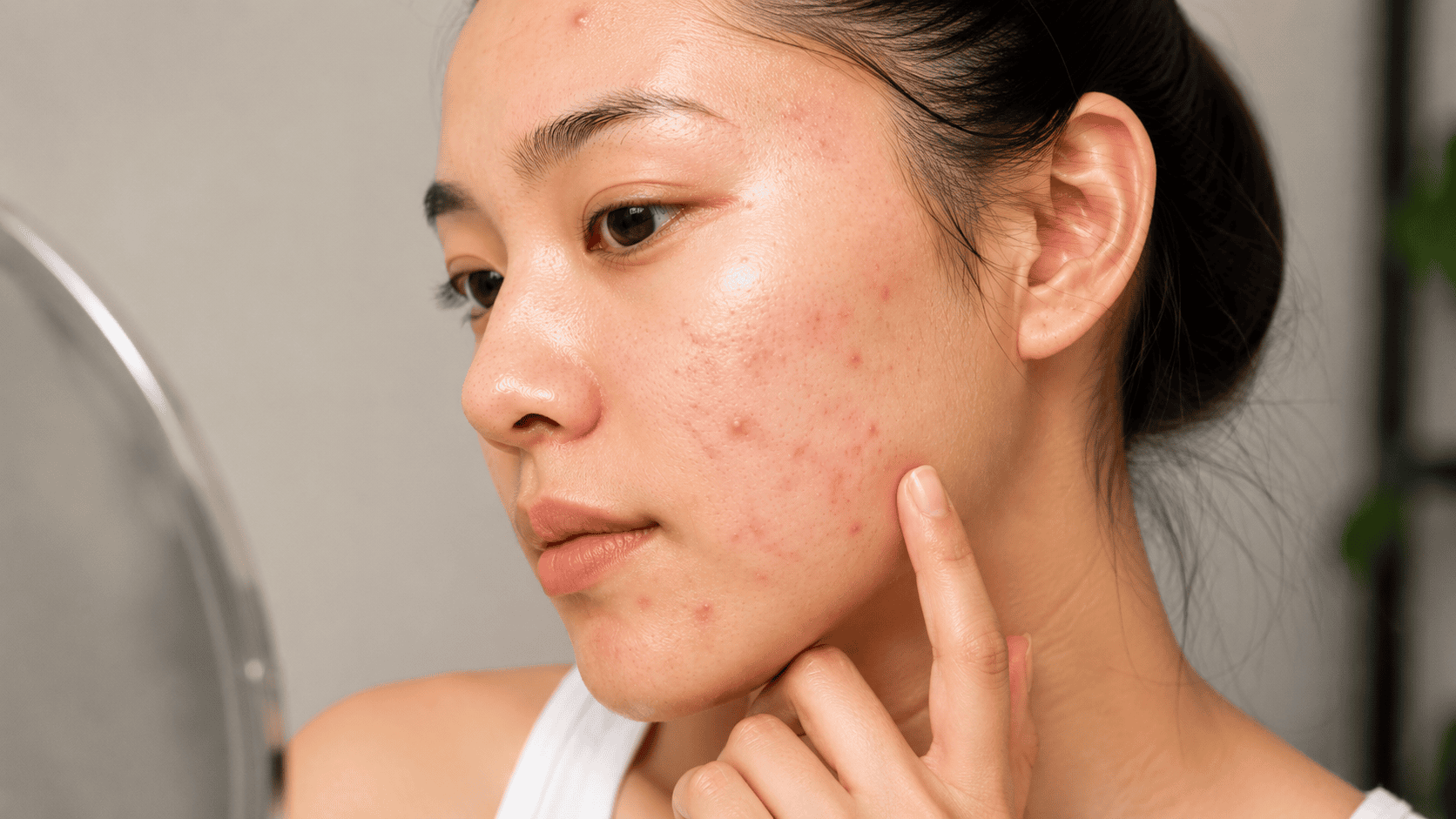
If you start a skincare product with salicylic acid and notice more pimples, you may wonder does salicylic acid cause purging. That can feel frustrating when you are trying to get clearer skin.
Yes, it can for some people. The change may be a short skin-renewal phase, not a sign that the product is failing. But not every breakout after salicylic acid is purging.
Knowing the difference can help you decide whether to keep going or change your routine.
This guide explains what purging is, why it happens, how to spot it, and how to care for your skin while it adjusts.
What Is Salicylic Acid?
Salicylic acid is a beta hydroxy acid, or BHA, used in acne care and in products for oily skin.
Unlike some exfoliating ingredients that stay on the surface, salicylic acid is oil-soluble. That lets it move into pores, where it helps break up extra oil and dead skin cells that can clog them.

You will often find it in:
- Facial cleansers
- Toners
- Serums
- Spot treatments
- Acid pads
- Acne treatments
People use salicylic acid to help with:
- Blackheads
- Whiteheads
- Clogged pores
- Oily skin
- Acne-prone skin
- Rough texture
Because it helps skin shed inside pores, salicylic acid is often linked to a short purge.
What Is Skin Purging?

Skin purging is a short rise in blemishes that can happen when an ingredient speeds up skin-cell turnover.
Instead of causing new acne, these products may bring tiny clogs in the pore to the surface faster.
In simple terms, purging moves acne that was already forming through the process more quickly.
That means congestion may show up sooner before the skin starts to clear.
A salicylic acid purge is usually brief and often shows up in the places where you already get breakouts.
Does Salicylic Acid Cause Purging?
For some people, yes.
Salicylic acid can trigger a purge because it helps dead skin cells and clogged pores clear faster.
But not everyone sees this reaction. Some people notice no purge at all. Others see a few extra blemishes that fade over time.
Results depend on:
- Existing acne
- How many pores are clogged
- Skin sensitivity
- Product strength
- How often you use it
- The rest of your routine
So when people ask does salicylic acid cause purging, the honest answer is: sometimes.
Why Does Purging Happen?
Think of your pores as small tunnels under the skin.
If clogs are already building inside them, faster turnover can push those blockages to the surface sooner.
Instead of staying hidden for weeks, they may appear in a shorter time.
That can look alarming, but it does not always mean your skin is getting worse.
Purging is usually tied to ingredients that support peeling or faster skin renewal, including:
- Salicylic acid
- Glycolic acid
- Lactic acid
- Retinoids
- Tretinoin
Because salicylic acid works inside the pores, it is one of the ingredients most often linked to this short adjustment phase.
How Salicylic Acid Works Inside the Skin
Salicylic acid helps by:
- Dissolving extra oil inside pores
- Loosening dead skin cells
- Supporting natural shedding
- Reducing clogged pores
- Improving the look of blackheads
- Helping prevent new congestion
As clogs move to the surface faster, you may see a few temporary blemishes before the skin looks better.
Purging vs. Regular Breakout
One of the hardest parts is figuring out whether you are purging or reacting badly to a product.

Signs of Skin Purging
Purging often:
- Shows up where you usually break out
- Starts soon after you add a peeling ingredient
- Looks like small pimples or whiteheads
- Gets better over time
- Does not continue forever
Signs of a Regular Breakout
A normal breakout may:
- Show up in new areas
- Keep getting worse
- Include larger, red, sore blemishes
- Come with product irritation
- Last without signs of improvement
These clues can help answer does salicylic acid cause purging more clearly instead of assuming every breakout is a purge.
Who Is Most Likely to Purge?
Not everyone who uses salicylic acid will purge.
You may be more likely to see it if you have:
- Acne-prone skin
- Frequent clogged pores
- Blackheads
- Whiteheads
- Oily skin
- Congested skin that has not shed well
On the other hand, someone with clear skin may use salicylic acid without any obvious purge.
What Affects Purging?
Several things can change how salicylic acid affects your skin.
Product Strength
Higher strengths may speed up turnover more quickly, which can make purging more noticeable.
If you are new to it, starting with a lower strength often helps.
How Often You Use It
You do not always need salicylic acid every day.
Many skin experts suggest starting with:
- Two to three times a week
- A slow increase if your skin handles it well
This can lower the risk of extra irritation while your skin adjusts.
Your Current Skin Condition
If you already have a lot of clogs under the surface, the purge may be easier to see.
In that case, salicylic acid purging is more likely, at least for a while.
Common Myths About Purging
There are plenty of myths about purging.
Myth: Every Breakout Is Purging
Not true.
Breakouts can also come from irritation, allergies, pore-clogging ingredients, or products that just do not suit your skin.
Myth: Purging Means the Product Is Working Perfectly
Not always.
Some people improve without any purge at all.
Purging can happen, but it is not required for salicylic acid to work.
Myth: Purging Lasts for Months
A real purge is usually short.
If your skin keeps getting worse for a long time with no improvement, it may be time to rethink your routine or talk to a skin doctor.
What to Do If You Notice Purging
If you think your skin is purging after you start salicylic acid, do not rush to change everything unless you have strong irritation or signs of an allergy.

Instead:
- Keep using the product as directed if your skin is coping well
- Do not add several new active ingredients at once
- Keep your routine simple
- Use a gentle moisturizer to support your skin barrier
- Wear sunscreen every day to protect newly peeled skin
Patience matters here. If you are asking does salicylic acid cause purging, remember that a short purge is only one possible reaction. Many people see clearer skin once their skin settles.
How Long Does Purging Last?
A common follow-up question after does salicylic acid cause purging is how long it lasts.
The answer depends on your skin, but a true purge is usually short. Because salicylic acid speeds up the skin’s natural renewal process, old clogs rise faster before the skin starts to look better.
Many people notice slow improvement in two to six weeks, but that can vary based on:
- How much congestion was already there
- How often you use the product
- The salicylic acid strength
- Your skin type
- Your full routine
If things keep getting worse after several weeks with no improvement, it may not be purging.
Signs Your Skin Is Purging Normally
Knowing what normal purging looks like can keep you from quitting too soon.
Common signs include:
- Small whiteheads in the places where you usually break out
- Pimples healing faster than usual
- Blemishes in familiar acne-prone areas
- Gradual improvement after the first flare-up
- Less congestion over time
During this time, focus on gentle care instead of attacking every blemish.
When It May Not Be Purging
Not every bad reaction means a purge.
Sometimes your skin is simply irritated by the product.
Watch for:
- Burning that lasts after application
- Strong redness
- Peeling beyond mild dryness
- Intense itching
- Painful swelling
- Rash-like patches
- New breakouts in places you do not usually get acne
These signs may point to irritation or sensitivity rather than normal purging.
Purging vs. Irritation
The easiest way to tell the difference is by watching how your skin behaves.

Purging
Usually:
- Shows up where acne often forms
- Creates familiar blemishes
- Improves slowly
- Starts after you add a peeling ingredient
Irritation
Often includes:
- Burning
- Tightness
- Redness
- Flaking
- Dry patches
- General discomfort
Unlike purging, irritation often affects wider areas of skin instead of single clogged pores.
Could It Be an Allergic Reaction?
True allergies to skin-care ingredients are less common, but they need attention.
Possible warning signs include:
- Major swelling
- Hives
- Severe itching
- Blistering
- Trouble breathing, which is a medical emergency
If you notice signs of an allergy, stop using the product and get medical help right away.
How to Minimize Salicylic Acid Purging
If you are worried about does salicylic acid cause purging, there are a few ways to make the adjustment easier.
Start Slowly
Do not use salicylic acid every day if you are new to peeling acids.
Begin with:
- Two nights a week
- A gradual increase if tolerated
- Careful observation of your skin’s response
A slow start often lowers unnecessary irritation.
Do Not Mix Too Many Actives
Using several peeling products together can overwhelm your skin.
Examples include:
- Salicylic acid
- Glycolic acid
- Lactic acid
- Retinoids
- Benzoyl peroxide
Adding too many at once also makes it hard to know which product is helping or causing irritation.
Keep the Rest of Your Routine Gentle
While your skin adjusts, keep things simple.
Focus on:
- A gentle cleanser
- A hydrating moisturizer
- Broad-spectrum sunscreen
- Salicylic acid, as tolerated
Skip harsh scrubs and extra treatments for now.
Moisturize Often
Some people think moisturizer will make acne worse.
In reality, the right moisturizer can:
- Support the skin barrier
- Reduce dryness
- Improve comfort
- Lower irritation
Good hydration can also make salicylic acid easier to handle.
Wear Sunscreen Every Day
Freshly peeled skin can be more sensitive to sunlight.
Daily sunscreen helps:
- Protect your skin barrier
- Reduce UV damage
- Limit post-acne marks
- Support healthier-looking skin
Choose a broad-spectrum SPF 30 or higher each morning.
Mistakes to Avoid During Purging
Many people make irritation worse by changing too much.
Avoid these common mistakes.
Stopping Too Soon
If you are having a normal purge, stopping right away may cut off the adjustment phase before your skin has time to improve.
Using It Too Often
Using salicylic acid several times a day will not clear acne faster.
It may instead increase:
- Dryness
- Irritation
- Peeling
- Sensitivity
Picking at Pimples
Picking or squeezing blemishes raises the risk of:
- Scarring
- Dark marks after acne
- Infection
- Slower healing
Let blemishes heal on their own whenever you can.
Skipping Moisturizer
Some people with oily skin avoid moisturizer completely.
According to the American Academy of Dermatology, using a non-comedogenic moisturizer can help reduce dryness and irritation associated with acne treatments while supporting the skin barrier.
But dry skin can become more irritated during treatment.
Changing Products Constantly
If you keep asking does salicylic acid cause purging, try not to replace your whole routine every few days.
Consistency usually works better than constant product swaps.
Comparison Guide
| Feature | Purging | Regular Breakout | Irritation |
|---|---|---|---|
| Usual acne areas | Yes | Sometimes | Not usually |
| Starts after salicylic acid | Yes | Not always | Often |
| Small pimples or whiteheads | Yes | Yes | Usually no |
| Burning | Rare | No | Common |
| Flaking and dryness | Mild | Rare | Common |
| Gets better over time | Yes | Not always | Usually gets worse until you stop the product |
| Caused by faster skin turnover | Yes | No | No |
Be Patient With the Process
It can be discouraging to see new blemishes after starting a treatment, but try to look at the full pattern instead of each pimple on its own.
If you are asking does salicylic acid cause purging, remember that a real purge is usually short and should slowly improve as the pores clear.
A simple routine, a healthy skin barrier, and fewer product changes can make this stage easier while salicylic acid does its job.
Professional Tips for Using Salicylic Acid Safely
Salicylic acid can be a strong part of an acne routine, but steady use usually works better than aggressive use. If you have been wondering does salicylic acid cause purging, how you start matters just as much as the ingredient itself.
These skin doctor tips can help.
Introduce It Gradually
If you are new to salicylic acid:
- Start two to three times a week
- Increase only if your skin handles it well
- Avoid using several peeling products on the same day
A slow approach often lowers extra irritation while still letting the product work.
Listen to Your Skin
Not every skin type reacts the same way.
Watch for signs such as:
- Ongoing burning
- Too much peeling
- Strong redness
- Tightness that does not improve with moisturizer
If these signs do not settle, use the product less often or talk to a skin doctor.
Support Your Skin Barrier
Peeling works best when the skin barrier stays strong. If your skin becomes irritated, red, or excessively dry from exfoliation, it’s important to focus on repairing your moisture barrier before continuing with active ingredients. Read our guide on How to Fix Over Exfoliated Skin and Repair the Barrier to learn how to restore healthy, resilient skin.
Choose products that support hydration, such as:
- Gentle cleansers
- Hydrating moisturizers
- Broad-spectrum sunscreen
- Fragrance-free skin care when possible
Healthy skin usually handles active ingredients better.
Do Not Chase Fast Results
Many people stop salicylic acid too soon because they expect instant change.
Acne care takes time. Rather than checking every day, look at your progress over several weeks.
Frequently Asked Questions
No. Although does salicylic acid cause purging is a common skincare question, many people use salicylic acid without any noticeable purge.
Yes, it can. That is another way to ask whether salicylic acid causes purging, and the answer is still the same: it depends on the person and the product.
Purging usually shows up where you already get acne and slowly improves. Irritation often causes widespread redness, burning, peeling, or discomfort that keeps going while you use the product.
If the reaction looks like normal purging and your skin is not badly irritated, many people keep using the product while keeping the rest of the routine simple.
If the symptoms get severe or you are unsure, talk to a skin doctor.
It depends.
Using several active ingredients together may increase irritation. If you want to combine them, add each one slowly or ask a skincare professional for advice.
Daily Routine Checklist While Using Salicylic Acid
A steady routine can help lower irritation and support clearer-looking skin.
Morning
- [ ] Wash with a gentle cleanser.
- [ ] Use a light moisturizer if needed.
- [ ] Wear a broad-spectrum SPF 30 or higher sunscreen.
- [ ] Do not pick at blemishes.
Evening
- [ ] Cleanse gently.
- [ ] Use salicylic acid on your planned schedule.
- [ ] Moisturize to support your skin barrier.
- [ ] Avoid layering extra peeling products.
When Should You See a Skin Doctor?
Temporary purging can be normal, but sometimes you need expert advice.
See a skin doctor if:
- Your acne gets much worse after several weeks
- You develop painful cystic acne
- You have strong irritation or swelling
- Your skin becomes very dry or cracked
- You are not sure whether the reaction is purging or an allergic response
A skin doctor can tell you whether salicylic acid is right for your skin or suggest another option.
Final Thoughts
If you have been asking does salicylic acid cause purging, the answer is not always simple.
Salicylic acid can speed up skin-cell turnover and may cause a short purge in some people, but many see little or no purge at all.
Instead of focusing on short-term breakouts, watch your skin over several weeks. A steady routine, good hydration, daily sunscreen, and patience usually lead to better long-term results than switching products all the time.
The next time you wonder does salicylic acid cause purging, remember that a short purge can be normal. The best guide is your skin’s own response.