

Maintaining firm, resilient skin is a common skincare goal, but it’s also one of the first visible signs of aging. As collagen and elastin production gradually slows, skin becomes less able to bounce back, leading to fine lines, sagging, and a loss of youthful definition. If you’re searching for how to improve skin elasticity, understanding why these changes occur is the first step toward building a routine that supports healthier skin over time.
Skin elasticity isn’t determined by a single product or ingredient. Instead, it’s influenced by a combination of internal factors, including age, genetics, and hormones, as well as external factors such as sun exposure, nutrition, lifestyle habits, and skincare choices. The encouraging news is that while natural aging cannot be stopped, many of these influences can be managed to help your skin remain stronger, smoother, and more resilient.
In this complete guide, you’ll learn the science behind skin elasticity, discover what causes it to decline, and explore evidence-based strategies that support collagen production and overall skin health. Whether you’re beginning to notice early signs of aging or looking to maintain your skin’s firmness for years to come, this guide will help you understand how to improve skin elasticity through informed, sustainable skincare practices.
Understanding Skin Elasticity
Skin elasticity is the skin’s natural ability to stretch and return to its original shape after movement. This flexibility is made possible by a complex network of structural proteins and moisture-retaining compounds that work together beneath the skin’s surface.
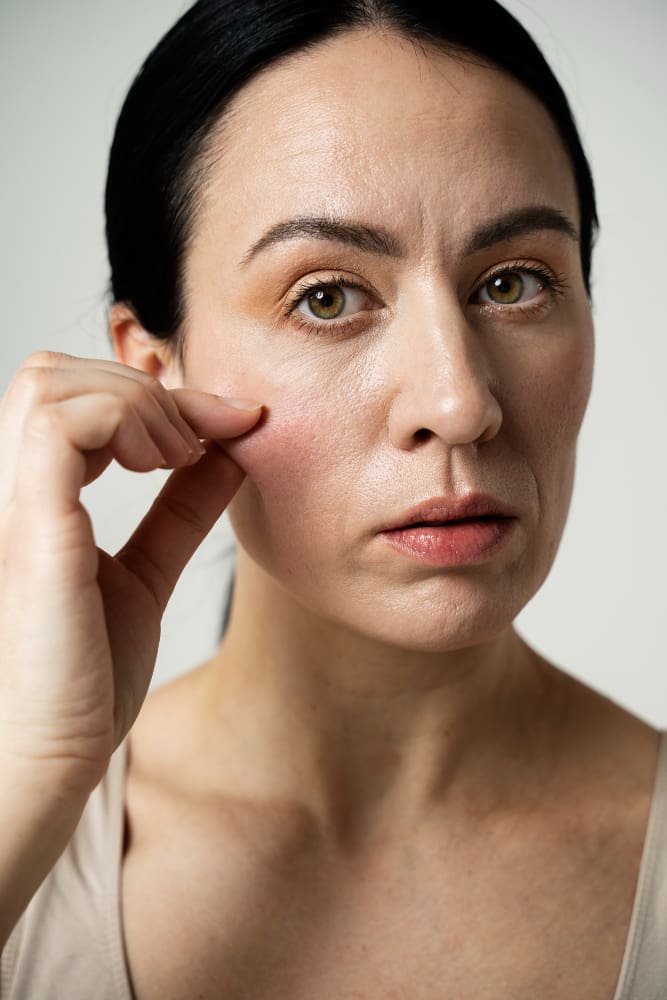
The three primary components responsible for healthy, resilient skin are:
Collagen
Collagen is the most abundant protein in the skin and acts as its structural framework. It provides strength, firmness, and support, helping the skin maintain a smooth and lifted appearance. As collagen production slows with age, skin gradually becomes thinner and more susceptible to wrinkles and sagging.
Elastin
While collagen provides strength, elastin gives the skin its flexibility. Elastin fibers allow your skin to stretch when you smile, laugh, or make facial expressions before returning to its normal position. Healthy elastin is what gives youthful skin its characteristic bounce.
Hyaluronic Acid
Hyaluronic acid is a naturally occurring molecule that attracts and retains water within the skin. Well-hydrated skin appears plumper, smoother, and more resilient, making hydration an essential part of maintaining elasticity.
These three components work together continuously. When one begins to decline, the others are affected, contributing to visible signs of skin aging.
How Skin Elasticity Changes Throughout Your Life
One of the most important aspects of understanding how to improve skin elasticity is recognizing that your skin changes naturally over time. While genetics play a role, the aging process affects everyone differently depending on environmental exposure and lifestyle choices.
Your 20s: Building and Protecting
During your twenties, collagen production remains relatively high, and the skin is generally able to repair itself efficiently. Elastin fibers remain strong, allowing the skin to recover quickly from daily stressors.
Although the skin often appears healthy during this stage, damage from ultraviolet (UV) radiation and environmental pollutants can begin accumulating beneath the surface. This makes preventive care particularly important, even before visible signs of aging develop.
Your 30s: Early Signs of Change
By your thirties, collagen production begins to decline gradually. Fine lines may become more noticeable, especially around the eyes and mouth, while skin may feel slightly less firm than before.
Many people first begin researching how to improve skin elasticity during this stage because subtle changes in firmness become easier to notice. Supporting collagen production through consistent skincare and healthy lifestyle habits can help slow visible aging.
Your 40s: Noticeable Loss of Firmness
Hormonal changes, slower cell turnover, and reduced collagen synthesis become more apparent during the forties. Skin may lose definition around the jawline, cheeks, and neck, while wrinkles become deeper and more persistent.
Moisture retention also declines, making the skin appear thinner and less supple. At this stage, combining hydration, collagen-supporting ingredients, and daily sun protection becomes increasingly important.
Your 50s and Beyond: Supporting Skin Health
As estrogen levels naturally decrease, collagen production slows further, contributing to more noticeable sagging and reduced elasticity. The skin’s barrier function may also weaken, increasing dryness and sensitivity.
While these changes are a natural part of aging, maintaining healthy skincare habits, balanced nutrition, and consistent sun protection can help preserve the skin’s resilience and support a healthier appearance over time.
Why Skin Loses Elasticity
Although aging is the primary reason skin becomes less firm, several other factors can accelerate the process. Understanding these influences can help you make informed decisions about protecting your skin.
Natural Aging
Beginning as early as the mid-twenties, collagen production gradually declines. Over time, fibroblasts the cells responsible for producing collagen and elastin become less active, slowing the skin’s natural repair process.
Ultraviolet (UV) Exposure
Sun exposure remains one of the leading causes of premature skin aging. UV rays generate free radicals that damage collagen and elastin fibers, contributing to wrinkles, uneven skin tone, and sagging. Daily use of a broad-spectrum sunscreen is one of the most effective ways to preserve skin elasticity.
Oxidative Stress
Free radicals produced by pollution, smoking, and environmental stress can damage skin cells and accelerate collagen breakdown. Antioxidants from skincare products and a nutrient-rich diet help neutralize these unstable molecules and support healthier skin.
Glycation
Glycation occurs when excess sugar molecules bind to collagen and elastin fibers, making them stiff and less flexible. Over time, this process contributes to reduced elasticity and the appearance of wrinkles. A balanced diet that limits excessive added sugars may help reduce glycation-related skin changes.
Hormonal Changes
Hormones influence collagen production throughout life. During menopause, declining estrogen levels can contribute to accelerated collagen loss, increased dryness, and reduced skin thickness.
Lifestyle Habits
Daily habits play a significant role in maintaining healthy skin. Factors that may contribute to reduced elasticity include:
- Chronic sleep deprivation
- Smoking
- Excessive alcohol consumption
- Poor nutrition
- Chronic stress
- Inadequate hydration
- Lack of consistent sun protection
While some factors cannot be controlled, many lifestyle choices can support healthier, stronger skin over the long term.
The Science Behind Firmer Skin
Understanding what happens beneath the skin can make it easier to see how to improve skin elasticity. The dermis, the middle layer of the skin, contains collagen, elastin, and fibroblasts the key components responsible for keeping skin firm, smooth, and resilient.
Fibroblasts are specialized cells that produce collagen and elastin. As we age, these cells naturally become less active, leading to slower collagen production and a gradual loss of skin firmness. External factors such as UV exposure, pollution, smoking, and chronic stress can speed up this process.
Collagen is constantly being broken down and replaced. Supporting this natural renewal through proper skincare, a nutrient-rich diet, and healthy lifestyle habits can help maintain stronger, healthier-looking skin over time. While hydration doesn’t increase collagen production directly, well-moisturized skin appears plumper and more supple, making elasticity more noticeable.
Building a Skincare Routine That Supports Skin Elasticity
If you’re looking into how to improve skin elasticity , a consistent skincare routine is more effective than using multiple trendy products. If your priority is how to improve skin elasticity on face, the same principles apply, with extra emphasis on daily sunscreen, antioxidants, and gentle retinoids. Focus on protecting your skin during the day and supporting repair overnight.
Morning Routine

A simple morning routine should include:
- A gentle cleanser to remove impurities without disrupting the skin barrier.
- A vitamin C serum to provide antioxidant protection and support collagen production.
- A moisturizer with ingredients like hyaluronic acid or ceramides to maintain hydration.
- A broad-spectrum sunscreen (SPF 30 or higher) to protect collagen and elastin from UV damage.
Evening Routine

Nighttime is when your skin naturally repairs itself. Start with a gentle cleanser to remove sunscreen and makeup, then apply a retinol or peptide serum to support skin renewal. Finish with a nourishing moisturizer to strengthen the skin barrier and lock in hydration overnight.
For a complete step-by-step guide, check out our Nighttime Skincare Routine article. Remember, consistency is key—most collagen-supporting ingredients take several weeks of regular use before noticeable results appear.
Nutrition and Skin Elasticity
Your diet provides many of the nutrients needed to support healthy skin. If you’re researching how to improve skin elasticity and how to improve elasticity of skin, paying attention to what you eat can complement your skincare routine.
Focus on including:
- Protein to provide the amino acids needed for collagen production.
- Vitamin C to support collagen synthesis and protect against free radical damage.
- Omega-3 fatty acids to strengthen the skin barrier and reduce inflammation.
- Minerals such as zinc and copper, which contribute to skin repair and collagen formation.
- Antioxidant-rich fruits and vegetables to help protect collagen and elastin from oxidative stress.
While no single food can restore skin firmness overnight, a balanced diet combined with consistent skincare and healthy habits can help support stronger, more resilient skin over time.
Choosing Ingredients That Support Firmer Skin
When researching how to improve skin elasticity, it’s easy to get overwhelmed by the number of skincare products available. Instead of following trends, focus on ingredients that are well-studied and known to support healthier-looking skin.
Retinol
Retinol is a vitamin A derivative that encourages skin cell turnover and supports collagen production. With consistent use, it can help improve the appearance of fine lines and uneven skin texture. Because retinol may cause irritation, it’s best to introduce it gradually and use sunscreen daily.
Vitamin C
Vitamin C is a powerful antioxidant that helps protect the skin from free radical damage while supporting natural collagen synthesis. It also brightens the complexion and can improve the appearance of uneven skin tone.
Peptides
Peptides are short chains of amino acids that help support the skin’s natural repair process. They can improve the look of firmness and work well alongside ingredients like retinol and hyaluronic acid.
Hyaluronic Acid and Ceramides
Hyaluronic acid attracts moisture to the skin, giving it a plumper appearance, while ceramides help strengthen the skin barrier and reduce moisture loss. Together, they keep skin hydrated and resilient.
Lifestyle Habits That Help Maintain Skin Elasticity
Skincare products are only one part of the equation. Daily habits also influence how well your skin ages.

Simple lifestyle changes include:
- Wearing sunscreen every day, even when it’s cloudy.
- Getting seven to nine hours of quality sleep each night.
- Drinking enough water to support overall hydration.
- Eating a balanced diet rich in protein, fruits, and vegetables.
- Exercising regularly to promote healthy circulation.
- Avoiding smoking and limiting alcohol consumption.
- Managing stress through activities such as meditation, walking, or yoga.
When combined with a consistent skincare routine, these habits can help preserve skin firmness and slow the visible signs of aging.
Can Skin Elasticity Be Restored?
A common question people ask is whether it’s possible to completely restore lost skin elasticity. The answer depends on factors such as age, genetics, and the extent of collagen loss. According to the American Society for Dermatologic Surgery (ASDS), skincare products can help improve the appearance of skin firmness, while certain in-office dermatologic procedures may provide additional improvement for skin laxity.
While no skincare product can reverse aging entirely, many can improve the appearance of firmness and help slow further collagen breakdown. Consistent use of proven ingredients, healthy lifestyle choices, and sun protection can make a noticeable difference over time.
For individuals with significant skin laxity, professional treatments such as microneedling, radiofrequency therapy, laser resurfacing, or collagen-stimulating injectables may provide additional improvement. Consulting a qualified dermatologist can help determine the most suitable treatment based on your skin concerns.
Frequently Asked Questions
Results vary depending on your skincare routine and lifestyle. Most people begin noticing gradual improvements within eight to twelve weeks of consistent care, while professional treatments may produce results sooner.
Staying hydrated supports overall skin health, but drinking more water alone won’t restore lost collagen or elastin. A combination of hydration, skincare, and nutrition offers the best results.
Vitamin C is essential for collagen production, while vitamins A and E also contribute to healthy skin. Eating a balanced diet and using topical skincare products can help support these nutrients.
Some studies suggest collagen peptides may improve skin hydration and elasticity over time, but results vary between individuals. Supplements work best when combined with a healthy diet and consistent skincare routine.
They’re a major part of the equation. Daily sunscreen, 7–9 hours of quality sleep, adequate water intake, a balanced diet rich in protein, fruits, and vegetables, regular exercise, avoiding smoking, limiting alcohol, and managing stress all help preserve firmness and slow visible aging when combined with a consistent skincare routine.
Final Thoughts
Learning how to improve skin elasticity is about building healthy habits rather than searching for a quick fix. Skin naturally changes with age, but protecting collagen, maintaining hydration, nourishing your body, and using evidence-based skincare ingredients can help keep it looking firmer and healthier for longer.
The most effective approach combines daily sun protection, a consistent skincare routine, balanced nutrition, and healthy lifestyle choices. While results take time, small improvements made consistently can have a lasting impact on your skin’s appearance.
Whether you’re noticing the first signs of aging or looking to maintain your skin’s natural resilience, understanding how to improve skin elasticity empowers you to make informed choices that support healthier skin today and in the years ahead. If you’re evaluating how to improve skin elasticity on face, remember that targeted facial care—consistent SPF, retinoids, vitamin C, and hydration—works best when combined with healthy habits.