

If you’ve ever wondered why your makeup doesn’t stay fresh all day or why your foundation looks uneven after just a few hours, the missing step may be primer. Learning how to apply primer on face correctly can dramatically improve the way your makeup looks and lasts. A quality primer creates a smooth base, helps minimize the appearance of pores, controls excess oil, and allows foundation to glide on more evenly.
Despite its importance, many people either skip primer altogether or use it incorrectly. Applying too much product, choosing the wrong formula, or layering makeup too quickly can reduce its effectiveness. Fortunately, mastering how to apply primer on face is simple once you understand the proper technique.
In this guide, you’ll learn exactly when to apply primer, how much you need, the best application methods for different skin types, and common mistakes to avoid. Whether you’re new to makeup or looking to perfect your routine, these expert tips will help you achieve a smoother, longer-lasting finish. You’ll also learn how to apply makeup primer for a smooth, even base.
What Is a Makeup Primer?
A makeup primer is a lightweight product applied after skincare and before foundation. Its primary purpose is to prepare the skin for makeup by creating a smooth, even surface. Depending on the formula, primers can also address specific skin concerns such as enlarged pores, excess oil, dryness, redness, or dullness.
According to the American Academy of Dermatology (AAD), preparing your skin properly before applying makeup—including cleansing, moisturizing, and protecting your skin—can help create a healthier base for cosmetic products.
Modern primers often contain skincare ingredients that provide hydration, improve the skin barrier, or help blur imperfections while extending makeup wear.

Some of the most common benefits of using a primer include:
- Creates a smoother canvas for foundation
- Helps makeup last longer throughout the day
- Minimizes the appearance of pores
- Controls shine on oily skin
- Hydrates dry skin
- Softens the look of fine lines
- Reduces patchiness and uneven texture
- Improves overall makeup application
Understanding how to apply primer on face ensures you get the maximum benefit from these features instead of simply adding another unnecessary product to your routine.
Do You Really Need a Primer?
Although primer isn’t mandatory, it can make a noticeable difference especially if you wear makeup for long hours.
You may benefit from using primer if you experience:
- Makeup separating after a few hours
- Foundation settling into pores
- Oily skin causing shine
- Dry patches making foundation look flaky
- Uneven skin texture
- Large visible pores
- Fine lines around the eyes or mouth
If you only wear tinted moisturizer for short periods, you may not always need primer. However, for special occasions, long workdays, weddings, or events, knowing how to apply primer on face can help your makeup stay fresh from morning until night.
Different Types of Face Primers
Not every primer works the same way. Choosing the right formula for your skin type is just as important as applying it correctly.
Hydrating Primer
Hydrating primers are designed for people with dry or dehydrated skin. These formulas often contain ingredients such as hyaluronic acid, glycerin, or squalane to lock in moisture and prevent foundation from clinging to dry patches.

Best for:
- Dry skin
- Mature skin
- Dehydrated skin
Mattifying Primer
Mattifying primers absorb excess oil and reduce unwanted shine throughout the day. They create a smooth finish while helping makeup stay in place.

Best for:
- Oily skin
- Combination skin
- Acne-prone skin
Pore-Minimizing Primer
These primers blur enlarged pores and smooth uneven texture using lightweight silicone-based ingredients.

Best for:
- Visible pores
- Uneven texture
- Combination skin
Illuminating Primer
Illuminating primers contain light-reflecting pigments that add a natural glow underneath foundation.

Best for:
- Dull skin
- Normal skin
- Dry skin
Color-Correcting Primer
Color-correcting primers neutralize unwanted discoloration before foundation.

Examples include:
- Green for redness
- Lavender for dullness
- Peach for dark spots
- Yellow for purple undertones
Selecting the correct formula is the first step in learning how to apply primer on face successfully because each primer is formulated to solve different concerns.
How to Prepare Your Skin Before Applying Primer
Primer performs best when applied to clean, well-moisturized skin. Skipping skincare can make even the best primer less effective.
Follow these simple preparation steps before applying primer:
Step 1: Cleanse Your Face
Wash away oil, dirt, sweat, and leftover skincare products using a gentle facial cleanser. A clean surface allows primer to adhere evenly and prevents makeup from looking patchy.
Step 2: Apply Moisturizer
Even if you have oily skin, moisturizer is an essential step. Hydrated skin creates a smoother base and helps prevent foundation from separating throughout the day.
Choose a moisturizer suited to your skin type:
- Gel moisturizer for oily skin
- Lightweight lotion for combination skin
- Rich cream for dry skin
Allow your moisturizer to absorb for one to two minutes before moving on.
Step 3: Apply Sunscreen (Morning Routine)
If you’re applying makeup during the day, sunscreen should always come before primer. Wait until your sunscreen has fully absorbed before applying additional products.
This order should be:
- Cleanser
- Moisturizer
- Sunscreen
- Primer
- Foundation
Proper skincare preparation makes a significant difference when learning how to apply primer on face, ensuring a smoother, more even makeup application.
How to Apply Primer on Face: Step-by-Step Guide
Now that your skin is prepped, it’s time to apply primer correctly. Following the right technique helps prevent pilling, streaks, and uneven foundation. Here’s how to apply primer to face for an even, long-lasting finish.
Step 1: Use a Small Amount
One of the biggest mistakes beginners make is using too much primer.
A pea-sized amount is usually enough for your entire face. Applying excess product won’t make your makeup last longer—it may actually cause foundation to slide or separate.
Start with a small amount and add more only if necessary.
Step 2: Warm the Primer Between Your Fingers
Instead of applying primer directly from the tube, place it on your fingertips first.
Gently rub your fingers together to warm the product slightly. This helps the primer spread more evenly across the skin and creates a thinner, smoother layer.
Step 3: Focus on the Center of the Face
When learning how to apply primer on face, remember that the center of the face usually needs the most attention.
Apply primer to areas such as:
- Nose
- Cheeks
- Chin
- Forehead
These areas tend to produce more oil, have larger pores, or experience the most makeup wear throughout the day.
Using clean fingertips, gently smooth the primer outward toward your hairline rather than rubbing aggressively into the skin.
Step 4: Pat Instead of Rubbing
After spreading the primer evenly, lightly pat it into your skin using your fingertips.
Patting helps the primer settle into pores and creates a smoother surface for foundation. Avoid vigorous rubbing, which can cause unnecessary friction and uneven application.
Step 5: Allow the Primer to Set
One of the most overlooked steps when learning how to apply primer on face is giving the product time to set.
Wait about 30 to 60 seconds before applying foundation or concealer. This brief pause allows the primer to bond with your skin, creating a stable base that helps makeup last longer and look more even throughout the day.
Should You Apply Primer With Your Fingers, a Brush, or a Sponge?
One of the most common questions after learning how to apply primer on face is whether you should use your fingers, a makeup brush, or a beauty sponge. The good news is that all three methods can work, but each offers different benefits depending on the type of primer and the finish you’re trying to achieve.
Using Your Fingers
For most primers, clean fingertips are the preferred application method. The warmth from your hands helps soften the product, allowing it to spread evenly across the skin. It also gives you more control when applying primer around the nose, forehead, and chin.
Best for:
- Silicone-based primers
- Hydrating primers
- Everyday makeup routines
Using a Makeup Brush
A dense synthetic foundation brush can create a very even layer of primer without transferring too much product into the brush.
Brushes work especially well if you prefer a hygienic application or are applying primer to another person.
Best for:
- Professional makeup application
- Full-glam looks
- Larger areas of the face
Using a Beauty Sponge
A damp makeup sponge provides a soft, natural finish by pressing the primer into the skin instead of spreading it across the surface.
However, keep in mind that sponges may absorb some of the product, meaning you’ll need to use slightly more primer.
Best for:
- Dewy makeup looks
- Dry skin
- Lightweight makeup
No matter which tool you choose, understanding how to apply primer on face is more important than the application tool itself. A thin, even layer will always produce better results than applying too much product.
How to Apply Primer Based on Your Skin Type
Every skin type has unique needs, so adjusting your primer application can improve your makeup’s appearance and longevity.
Oily Skin
If you have oily skin, apply a mattifying primer mainly to the areas that become shiny throughout the day.
Focus on:
- Nose
- Forehead
- Chin
There’s usually no need to apply a heavy layer across your entire face unless you experience oiliness everywhere.
Dry Skin
Dry skin benefits most from hydrating primers.
Before applying primer:
- Moisturize thoroughly.
- Allow the moisturizer to absorb.
- Apply a thin layer of hydrating primer.
Avoid mattifying formulas, as they may emphasize dry patches.
Combination Skin
Combination skin requires a balanced approach.
You can even use two different primers:
- Mattifying primer on the T-zone
- Hydrating primer on the cheeks
This technique keeps oily areas under control while maintaining hydration where your skin needs it most.
Sensitive Skin
If your skin is easily irritated, choose primers that are:
- Fragrance-free
- Alcohol-free
- Non-comedogenic
- Dermatologist-tested
Always perform a patch test before trying a new product.
Learning how to apply primer on face according to your skin type helps maximize both comfort and performance.
Common Mistakes to Avoid
Even high-quality primers won’t perform well if they’re applied incorrectly. Here are some of the most common mistakes people make.
Using Too Much Primer
More product doesn’t equal better results.
Applying too much primer can cause:
- Foundation to slide
- Makeup separation
- Pilling
- Uneven texture
A pea-sized amount is usually sufficient.
Skipping Moisturizer
Primer is not a substitute for moisturizer.
Dry skin needs hydration before primer to create a smooth, healthy-looking base.
Applying Foundation Immediately
Patience matters.
Allow your primer to set for at least 30 to 60 seconds before applying foundation. This gives it time to create the smooth surface it’s designed for.
Choosing the Wrong Primer
A mattifying primer on dry skin or a heavy hydrating primer on very oily skin may produce less-than-ideal results.
Choose products based on your skin’s needs rather than current beauty trends.
Rubbing Too Aggressively
Primer should be gently smoothed or patted onto the skin.
Aggressive rubbing may create uneven coverage and disturb your skincare products underneath.
Avoiding these mistakes is just as important as learning how to apply primer on face correctly.
How Long Should Primer Last?
A quality primer can help your makeup stay fresh for 8 to 12 hours, depending on factors such as:
- Skin type
- Weather
- Activity level
- Foundation formula
- Setting products used
For special events or long workdays, primer can significantly reduce the need for touch-ups.
Should You Wear Primer Without Makeup?
Absolutely.
Many modern primers contain skincare ingredients that help improve the appearance of your skin even without foundation.
Some benefits include:
- Blurred pores
- Reduced shine
- Smoother texture
- Soft-focus finish
- Light hydration
If you’re going makeup-free but want your skin to look naturally polished, primer can still be a great addition to your routine.
Ingredients to Look for in a Good Face Primer
Choosing the right ingredients can make a noticeable difference in how your primer performs.

Look for beneficial ingredients such as:
Hyaluronic Acid
Provides hydration and helps skin appear plumper.
Niacinamide
Helps balance oil production while improving overall skin tone.
Vitamin E
Offers antioxidant protection and supports the skin barrier.
Ceramides
Help strengthen the skin’s natural moisture barrier.
Silica
Absorbs excess oil and creates a smooth, matte finish.
Glycerin
Draws moisture into the skin, making it ideal for dry or dehydrated complexions.
Product Recommendation
If you’re looking for a primer that creates a smooth makeup base while helping your foundation last longer, Mosheko Immortal Primer is an excellent addition to your beauty routine.
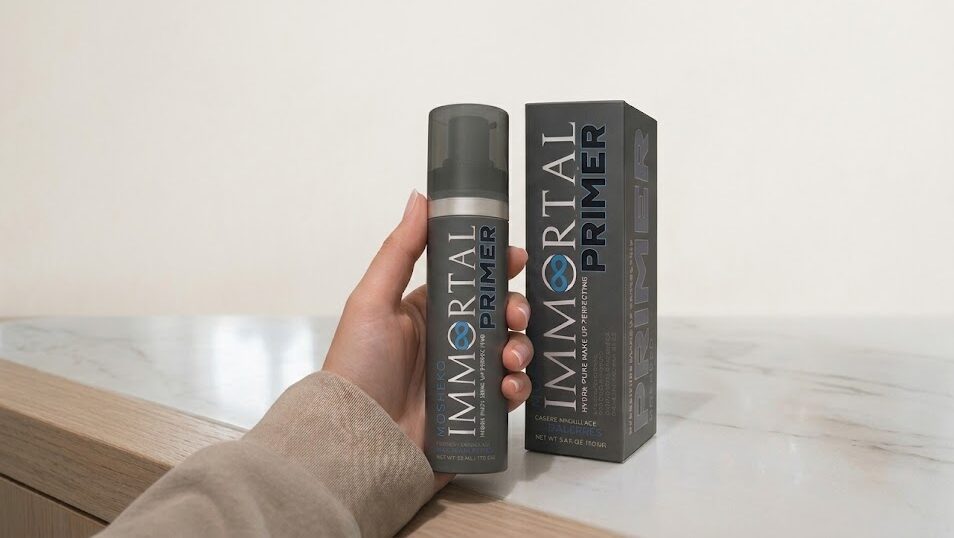
Its lightweight formula helps blur the appearance of pores, smooth uneven texture, and prepare the skin for flawless makeup application without feeling heavy. Whether you’re creating an everyday natural look or a full-glam finish, it provides a silky canvas that helps makeup apply more evenly and stay fresh throughout the day.
When combined with the proper technique for how to apply primer on face , a quality primer like Mosheko Immortal Primer can noticeably improve your overall makeup results.
Frequently Asked Questions
Yes. Primer can smooth your skin, minimize the appearance of pores, and reduce shine even if you don’t apply foundation afterward. Many people wear primer alone for a more natural, polished look.
Primer should always be applied after moisturizer. Moisturizer hydrates your skin, while primer creates a smooth surface for makeup application. If you’re applying makeup during the day, sunscreen should also be applied before primer.
It’s best to wait 30 to 60 seconds before applying foundation or concealer. This gives the primer enough time to set and helps improve makeup longevity.
Yes. Most face primers are gentle enough for daily use, especially those formulated with skin-friendly ingredients. Choose a primer that matches your skin type and always remove it thoroughly at the end of the day.
Not always, but it can make a noticeable difference. If you want smoother foundation, longer-lasting makeup, or help controlling oil and minimizing pores, using primer daily is worth considering.
Final Thoughts
Learning how to apply primer on face is one of the easiest ways to improve your makeup routine. While primer may seem like an optional step, it plays an important role in creating a smooth, even canvas that helps foundation apply effortlessly and stay in place for hours.
The key is to prepare your skin properly, choose a primer suited to your skin type, apply only a small amount, and allow it to set before moving on to foundation. These simple techniques can make a significant difference in the overall finish and longevity of your makeup.
Whether you’re getting ready for work, attending a special event, or simply want a more polished everyday look, mastering how to apply primer on face will help you achieve professional-looking results with minimal effort. If you’re refining your technique further, revisit the steps on how to apply makeup primer so the process feels seamless from start to finish.
For even better performance, pair the right application technique with a high-quality product like Mosheko Immortal Primer, and enjoy smoother, longer-lasting makeup every time.