
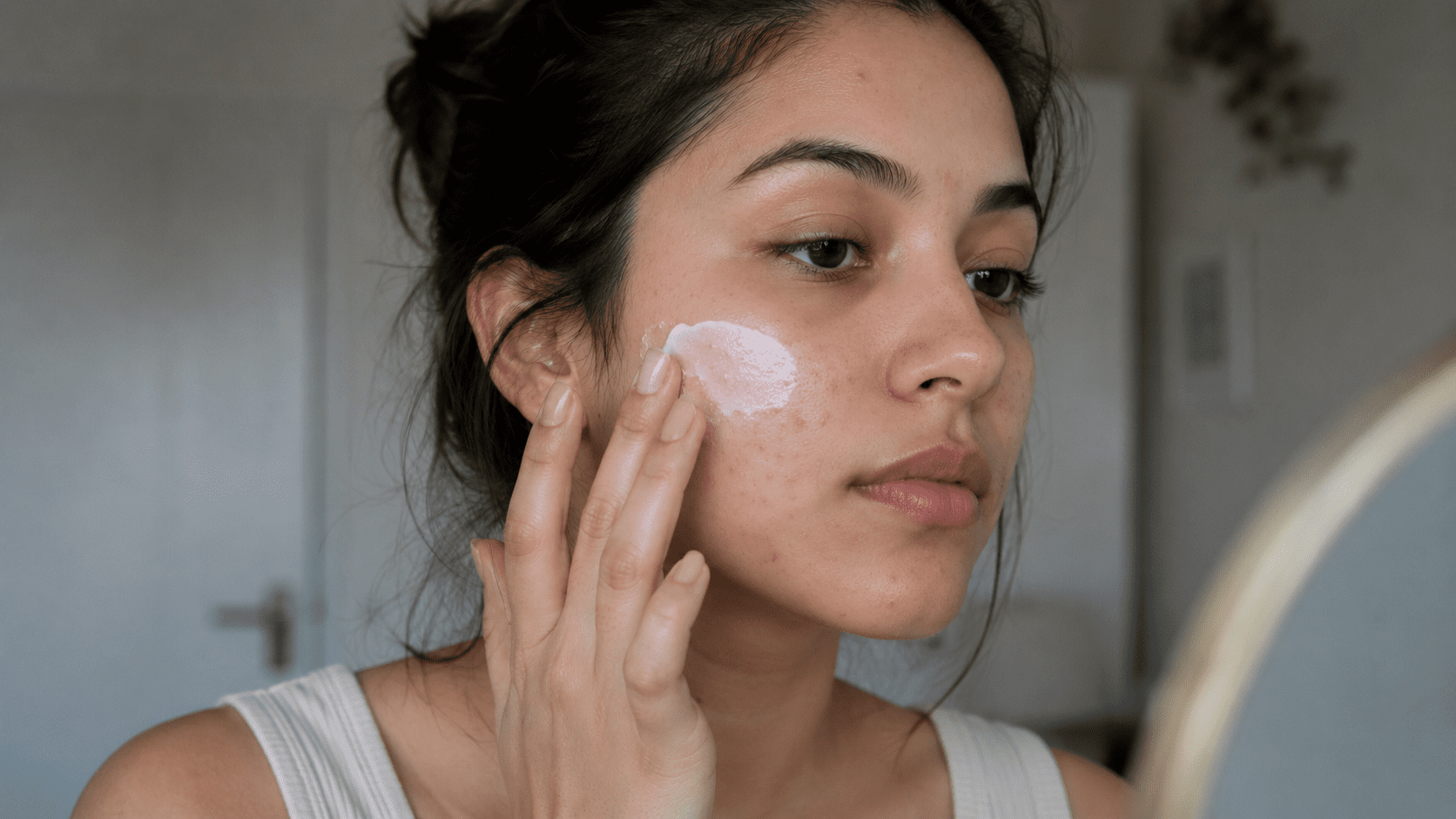
If you’ve recently started using a new moisturizer and noticed pimples appearing shortly afterward, you may be asking yourself, can moisturizer cause breakouts? It’s a common concern, especially for people with oily or acne-prone skin. Since moisturizers are designed to hydrate the skin, it can be confusing when they seem to coincide with unexpected blemishes.
The truth is that can moisturizer cause breakouts doesn’t have a simple yes-or-no answer. While moisturizer itself isn’t meant to cause acne, the wrong formula, improper application, or certain ingredients can contribute to clogged pores and breakouts in some individuals.
It’s also important to remember that not every breakout after using a moisturizer is actually caused by the product. Hormonal changes, stress, diet, environmental factors, and other skincare products can all play a role.
In this guide, we’ll answer can moisturizer cause breakouts, explain why it sometimes happens, and show you how to choose a moisturizer that keeps your skin hydrated without increasing your risk of acne.
Why Moisturizer Is an Essential Part of Every Skincare Routine
Before diving deeper into can moisturizer cause breakouts, it’s important to understand why moisturizer is recommended for nearly every skin type.

A moisturizer helps your skin by:
- Locking in hydration
- Supporting the skin barrier
- Reducing moisture loss
- Improving skin texture
- Preventing excessive dryness
- Helping skin recover after cleansing
- Protecting against environmental stressors
Without enough hydration, your skin may become irritated, flaky, or overly dry.
Ironically, dehydrated skin often responds by producing more oil, which can increase the likelihood of clogged pores and acne.
This is why dermatologists generally recommend moisturizing daily even for people with oily skin.
So, Can Moisturizer Cause Breakouts?
The short answer is yes but not all moisturizers. According to the American Academy of Dermatology, using skincare products that match your skin type is an important part of preventing clogged pores and maintaining healthy skin.
When people ask can moisturizer cause breakouts, what they’re really asking is whether a moisturizer can contribute to acne.

Certain moisturizers may increase the risk of breakouts if they:
- Contain pore-clogging ingredients
- Are too heavy for your skin type
- Trap excess oil
- Aren’t removed properly
- Are applied over dirty skin
However, a properly formulated moisturizer that matches your skin type is far less likely to cause acne.
In fact, the right moisturizer may actually help reduce breakouts by keeping your skin barrier healthy and preventing excess oil production.
Why Some Moisturizers May Trigger Breakouts
Not every moisturizer is created equally.
Some products are designed for:
- Very dry skin
- Mature skin
- Sensitive skin
- Acne-prone skin
Using the wrong type for your skin can increase the chances of clogged pores.
Here are several reasons why can moisturizer cause breakouts sometimes has a “yes” answer.
Your Moisturizer May Be Too Heavy
Rich creams are excellent for very dry skin.
However, if you naturally have oily skin, thick moisturizers can sometimes sit heavily on the skin’s surface.
This may:
- Mix with excess oil
- Trap sweat
- Combine with dead skin cells
- Increase congestion
Over time, this combination may contribute to clogged pores.
People with oily or acne-prone skin often do better with:
- Gel moisturizers
- Lightweight lotions
- Oil-free formulas
Certain Ingredients May Clog Pores
Some moisturizing ingredients are richer than others.
Although these ingredients aren’t necessarily harmful, they may not suit every skin type.

Potentially heavier ingredients include:
- Coconut oil
- Cocoa butter
- Wheat germ oil
- Lanolin (for some individuals)
- Thick waxes
Not everyone reacts to these ingredients the same way.
Some people can use them without any issues, while others may experience increased congestion.
If you’ve been wondering can moisturizer cause breakouts, reviewing the ingredient list is a good place to start.
Applying Too Much Moisturizer
More product doesn’t always mean better hydration.
Applying excessive amounts of moisturizer may:
- Leave residue on the skin
- Increase surface oil
- Prevent proper absorption
- Make skin feel greasy
Instead, use only enough product to lightly cover your face.
For most people, a pea-sized to nickel-sized amount is sufficient.
Applying Moisturizer to Dirty Skin
Moisturizer locks in whatever is already on your skin.

If you apply it over:
- Sweat
- Makeup
- Sunscreen
- Dirt
- Excess oil
those impurities can become trapped against the skin.
Always cleanse your face before moisturizing, especially at night.
Skipping Cleansing at Night
Many people blame moisturizer when the real issue is an incomplete nighttime routine.
Sleeping with:
- Makeup
- Sunscreen
- Excess oil
- Pollution
can clog pores regardless of which moisturizer you use.
A proper evening routine should include:
- Gentle cleanser
- Treatment products (if used)
- Moisturizer
How Moisturizer Supports Acne-Prone Skin
This may sound surprising, but people with acne often benefit significantly from using moisturizer.
Acne treatments frequently contain ingredients such as:
- Retinol
- Salicylic acid
- Benzoyl peroxide
- Adapalene
While effective, these ingredients can also cause:
- Dryness
- Flaking
- Redness
- Irritation
A gentle moisturizer helps reduce these side effects while protecting the skin barrier.
This is one reason dermatologists often reassure patients asking can moisturizer cause breakouts that moisturizer itself is rarely the true problem.
Can Oily Skin Skip Moisturizer?
One of the biggest skincare myths is that oily skin doesn’t need moisturizer.
In reality, skipping moisturizer may actually worsen oil production.

Here’s why:
- Skin becomes dehydrated.
- The skin senses moisture loss.
- Oil glands produce more sebum.
- Excess oil combines with dead skin cells.
- Pores become clogged.
The result can be shinier skin and, in some cases, more breakouts.
Instead of avoiding moisturizer altogether, choose one formulated specifically for oily or acne-prone skin.
Breakouts vs. Skin Purging: What’s the Difference?
Many people assume every new pimple is caused by their moisturizer.
Sometimes that’s true—but not always.
Understanding the difference between breakouts and purging can help you determine whether to continue using a product.
Breakouts
A breakout typically occurs when a product clogs pores or irritates your skin.

Characteristics include:
- Pimples appearing in new areas
- Whiteheads
- Blackheads
- Clogged pores
- Persistent acne
These breakouts usually continue until the product is discontinued.
Skin Purging
Purging is different.
It occurs when active ingredients speed up skin cell turnover, bringing existing clogged pores to the surface more quickly.

Purging is commonly associated with:
- Retinoids
- AHAs
- BHAs
- Chemical exfoliants
A basic moisturizer without exfoliating ingredients usually does not cause purging.
So if you’re asking can moisturizer cause breakouts, and your moisturizer contains only hydrating ingredients, true purging is unlikely.
Signs Your Moisturizer May Not Be Right for You
Every person’s skin is unique.
Watch for these warning signs after introducing a new moisturizer:
- Increased whiteheads
- New blackheads
- Persistent clogged pores
- Greasy feeling throughout the day
- Small bumps under the skin
- Increased shine
- Acne appearing shortly after consistent use
If these symptoms continue for several weeks, it may be time to switch to a lighter or non-comedogenic moisturizer.
Ingredients That May Contribute to Breakouts
If you’re still asking can moisturizer cause breakouts, the ingredient list deserves a closer look.
It’s important to know that no ingredient clogs pores for everyone. Skin responds differently from person to person, and an ingredient that works well for one individual may cause congestion in another.
However, some richer ingredients have a greater chance of contributing to clogged pores, especially in oily or acne-prone skin.
Some ingredients that may be too heavy for certain skin types include:
- Coconut oil
- Cocoa butter
- Wheat germ oil
- Isopropyl myristate
- Lanolin (for some people)
- Heavy mineral waxes
- Certain algae extracts
These ingredients aren’t necessarily “bad.” In fact, many are excellent for people with very dry skin. The key is choosing a moisturizer that matches your skin type.
Ingredients That Are Often Better for Acne-Prone Skin
Instead of avoiding moisturizer completely, look for lightweight ingredients that hydrate without feeling heavy.
Good ingredients include:
- Hyaluronic acid
- Glycerin
- Ceramides
- Niacinamide
- Squalane
- Panthenol
- Aloe vera
These ingredients help hydrate the skin while supporting a healthy skin barrier.
If you’ve been wondering can moisturizer cause breakouts, switching to a lightweight formula with these ingredients may make a noticeable difference.
What Does “Non-Comedogenic” Mean?
One label you’ll often see on skincare products is non-comedogenic.
A non-comedogenic moisturizer is formulated to reduce the likelihood of clogging pores.

While no product can guarantee it will never cause acne, choosing products labeled:
- Non-comedogenic
- Oil-free
- Lightweight
- Gel-based (for oily skin)
may reduce your risk of developing breakouts.
This is especially helpful if you frequently ask yourself can moisturizer cause breakouts after trying new skincare products.
Choosing the Right Moisturizer for Your Skin Type
Selecting the correct moisturizer is one of the easiest ways to minimize the chance of clogged pores.
Oily Skin
People with oily skin should look for:
- Gel moisturizers
- Oil-free lotions
- Fast-absorbing formulas
- Lightweight hydration
Helpful ingredients include:
- Niacinamide
- Hyaluronic acid
- Glycerin
Avoid overly rich creams unless recommended by a dermatologist.
Dry Skin
Dry skin benefits from richer moisturizers that strengthen the skin barrier.
Look for ingredients such as:
- Ceramides
- Shea butter
- Squalane
- Fatty acids
- Cholesterol
Dry skin is generally less prone to clogged pores caused by richer creams.
Combination Skin
Combination skin has both oily and dry areas.
A lightweight lotion usually works well because it hydrates without overwhelming the oily areas.
Some people also use different moisturizers for different parts of the face.
Sensitive Skin
If your skin is easily irritated, choose moisturizers that are:
- Fragrance-free
- Alcohol-free
- Dye-free
- Dermatologist-tested
Calming ingredients include:
- Panthenol
- Ceramides
- Aloe vera
- Colloidal oatmeal
- Centella asiatica
Common Moisturizing Mistakes That Can Trigger Breakouts
Sometimes the moisturizer isn’t the problem.
The way it’s used may contribute to skin issues.
Applying thick layers of moisturizer doesn’t improve hydration.
Using Too Much Product
Instead, excess product may:
- Sit on the skin
- Feel greasy
- Mix with oil and sweat
- Increase congestion
A small amount is usually enough for the entire face.
Not Washing Your Hands
Your hands carry bacteria, oil, and dirt throughout the day.
Always wash your hands before applying skincare products.
This simple habit helps reduce the risk of transferring impurities to your face.
Layering Too Many Products
Modern skincare routines often include:
- Toners
- Serums
- Essences
- Oils
- Moisturizers
- Sunscreen
Applying too many heavy products at once may overwhelm some skin types.
Keeping your routine simple often produces better results.
Using the Wrong Moisturizer for the Season
Your skin’s needs change throughout the year.
During Winter
Cold weather increases moisture loss.
Many people benefit from richer creams.
During Summer
Heat and humidity often make lighter gel moisturizers more comfortable.
Changing your moisturizer seasonally may reduce unnecessary breakouts.
Can Moisturizer Cause Breakouts Around the Jawline?
Sometimes acne appears mainly around the jawline and chin.
Although moisturizer may contribute in some cases, jawline acne is often associated with:
- Hormonal fluctuations
- Stress
- Touching your face frequently
- Hair products transferring onto the skin
If your moisturizer is only applied to your face but breakouts occur exclusively around the jawline, the cause may not be the moisturizer alone.
Can Moisturizer Cause Tiny Bumps?
Some people develop tiny flesh-colored bumps after switching moisturizers.

These bumps may result from:
- Clogged pores
- Heavy occlusive ingredients
- Excess product buildup
- Skin congestion
Unlike inflamed acne, these bumps are often painless and develop gradually.
Switching to a lighter, non-comedogenic moisturizer may help reduce them over time.
Moisturizer Myths You Should Stop Believing
There are many misconceptions surrounding moisturizers and acne.
Myth 1: Moisturizer Always Causes Acne
Fact: Most well-formulated moisturizers do not cause acne when matched to your skin type.
Myth 2: Oily Skin Doesn’t Need Moisturizer
Fact: Oily skin still loses water and benefits from hydration.
Skipping moisturizer may actually increase oil production.
Myth 3: More Moisturizer Equals Better Skin
Fact: Applying excessive amounts doesn’t improve hydration and may leave skin feeling greasy.
Myth 4: Expensive Moisturizers Never Cause Breakouts
Fact: Price doesn’t determine whether a moisturizer will suit your skin.
Even luxury products can contain ingredients that don’t work well for every skin type.
When Should You Stop Using a Moisturizer?
If you’re asking can moisturizer cause breakouts because you’ve noticed persistent acne, monitor your skin for two to four weeks after introducing a new product.
Consider switching moisturizers if you notice:
- Continuous clogged pores
- New whiteheads every few days
- Persistent greasy feeling
- Increased congestion
- Breakouts that don’t improve after several weeks
Remember to introduce only one new skincare product at a time. This makes it much easier to identify whether your moisturizer is actually responsible.
How to Prevent Breakouts While Using Moisturizer
If you’re still wondering can moisturizer cause breakouts, the good news is that there are several simple ways to reduce the risk while keeping your skin hydrated.
A few adjustments to your skincare routine can make a significant difference.
Choose the Right Moisturizer
Your moisturizer should match your skin type.
As a general guide:
- Dry skin: Rich cream moisturizers
- Oily skin: Lightweight gel moisturizers
- Combination skin: Lightweight lotions
- Sensitive skin: Fragrance-free moisturizers
- Acne-prone skin: Non-comedogenic moisturizers
Choosing the right formula is one of the best ways to prevent clogged pores. If you’re looking for a moisturizer that delivers lasting hydration while helping support a healthy skin barrier, Mosheko Enhance Moisturizer is a great option. Its lightweight, nourishing formula is designed to provide moisture without feeling heavy, making it suitable for daily use and ideal for maintaining soft, balanced, and healthy-looking skin.
Cleanse Your Skin Properly
Moisturizer should always be applied to clean skin.
Before moisturizing:
- Remove makeup.
- Wash away sunscreen.
- Cleanse excess oil.
- Remove dirt and pollution.
This prevents impurities from becoming trapped beneath your moisturizer.
Use the Right Amount
Applying more moisturizer won’t make your skin healthier.
Most people only need:
- A pea-sized amount for lightweight gels
- A nickel-sized amount for richer creams
Spread the product evenly without leaving a thick layer on the surface.
Avoid Touching Your Face
Throughout the day, your hands come into contact with:
- Phones
- Door handles
- Keyboards
- Money
- Other surfaces
Touching your face repeatedly transfers bacteria and oil that may contribute to breakouts.
Keep Your Pillowcases Clean
Even the best moisturizer can’t compensate for dirty bedding.
Wash pillowcases regularly to reduce the buildup of:
- Oil
- Sweat
- Dead skin cells
- Hair products
- Bacteria
This simple habit can help minimize acne.
How to Patch Test a New Moisturizer
If you’re concerned about can moisturizer cause breakouts, patch testing is one of the safest ways to introduce a new product.
Step 1
Apply a small amount behind your ear or along your jawline.
Step 2
Wait 24 to 48 hours.
Watch for:
- Redness
- Itching
- Burning
- Swelling
- Small bumps
Step 3
If no irritation develops, begin using the moisturizer on your entire face.
Continue monitoring your skin over the next two to four weeks.
Introducing only one new skincare product at a time makes it much easier to determine whether a moisturizer is causing problems.
How Long Should You Try a Moisturizer Before Switching?
Many people stop using a moisturizer after only a few days.
Unless you experience severe irritation or an allergic reaction, it’s usually best to give a new moisturizer two to four weeks.
During this time, monitor whether:
- Your skin feels more hydrated.
- Breakouts continue.
- Oil production changes.
- Skin texture improves.
- Congestion increases.
This observation period helps you decide whether the moisturizer is truly compatible with your skin.
When Should You See a Dermatologist?
If acne continues despite using appropriate skincare products, it may be time to consult a dermatologist.
Seek professional advice if you experience:
- Persistent cystic acne
- Painful nodules
- Acne that leaves scars
- Frequent breakouts despite changing products
- Severe redness or irritation
A dermatologist can determine whether your acne is related to skincare products, hormones, medications, or another underlying cause.
Frequently Asked Questions
Yes, if a moisturizer is too heavy for your skin or contains ingredients that contribute to clogged pores, some people may notice new blemishes within a day or two. However, acne often develops over several days, so it’s important to consider other possible causes as well.
Some moisturizers may clog pores, particularly if they’re formulated with rich, occlusive ingredients that don’t suit your skin type. Choosing a non-comedogenic moisturizer can help reduce this risk.
No. Even acne-prone skin needs hydration. Skipping moisturizer may weaken your skin barrier and trigger increased oil production, which can worsen breakouts.
If new whiteheads, blackheads, or clogged pores consistently appear after introducing a moisturizer—and improve after discontinuing it the product may not be suitable for your skin.
Apply the right amount to clean skin and keep your routine simple. Cleanse first (remove makeup, sunscreen, excess oil, dirt), wash your hands before application, and use only enough product to lightly cover the face (about a pea-sized amount for gels, nickel-sized for richer creams). Avoid layering too many heavy products, and keep pillowcases clean. Adjust seasonally—richer in winter, lighter in summer.
Key Takeaways
If you’ve been asking can moisturizer cause breakouts, here are the most important points to remember:
- Yes, some moisturizers can contribute to breakouts, but not all of them.
- Choosing a moisturizer that matches your skin type is essential.
- Heavy formulas may be too rich for oily or acne-prone skin.
- Non-comedogenic moisturizers are generally a better choice if you’re prone to clogged pores.
- Moisturizer itself isn’t the enemy using the wrong formula or applying it incorrectly is often the real issue.
- Keeping your skin clean, using the correct amount, and introducing new products gradually can help reduce the risk of breakouts.
- Healthy, hydrated skin supports a stronger skin barrier, which may actually improve your overall complexion.
Final Thoughts
So, can moisturizer cause breakouts? The answer is yes but only under certain circumstances. A moisturizer that’s too heavy for your skin type, contains ingredients that don’t agree with your skin, or is applied incorrectly may contribute to clogged pores and acne. However, this doesn’t mean you should stop moisturizing altogether.
In fact, using the right moisturizer is an essential part of maintaining a healthy skin barrier and balanced complexion. Whether your skin is oily, dry, combination, or acne-prone, selecting a formula that suits your individual needs can help keep your skin hydrated without increasing the risk of blemishes.
If you’re still asking can moisturizer cause breakouts, remember that consistency, proper cleansing, and choosing a non-comedogenic moisturizer are often the keys to success. By paying attention to your skin’s unique needs and introducing new products carefully, you can enjoy the benefits of moisturized, healthy-looking skin while minimizing the chances of unwanted breakouts.