
Many people wonder how to get glowing skin naturally without relying on heavy makeup or overly complicated skincare routines. Glowing skin is often associated with skin that looks healthy, hydrated, smooth, and balanced.
Learning how to get glowing skin usually involves maintaining hydration, supporting the skin barrier, and following consistent skincare habits over time. While there is no instant solution, balanced skincare routines may help improve overall skin appearance and skin comfort.
People researching how to get glowing skin often focus on:
Many skincare routines now prioritize healthy-looking skin rather than overly harsh or aggressive skincare routines.
Hydration is one of the most important factors when learning how to get glowing skin.
Dehydrated skin may sometimes appear:
Hydration-focused skincare routines are commonly associated with healthier-looking and smoother-looking skin.
Many people researching how to get glowing skin are also becoming interested in hydration-focused skincare trends like Skin Flooding: The Hydration Trend for Healthier Skin, which focuses on layering lightweight hydrating products to help support moisture balance and healthier-looking skin.
Ingredients commonly associated with hydration support include:
Many people learning how to get glowing skin now focus on maintaining hydration balance instead of stripping the skin excessively.
Cleansing helps remove dirt, oil, sunscreen, and makeup buildup from the skin.
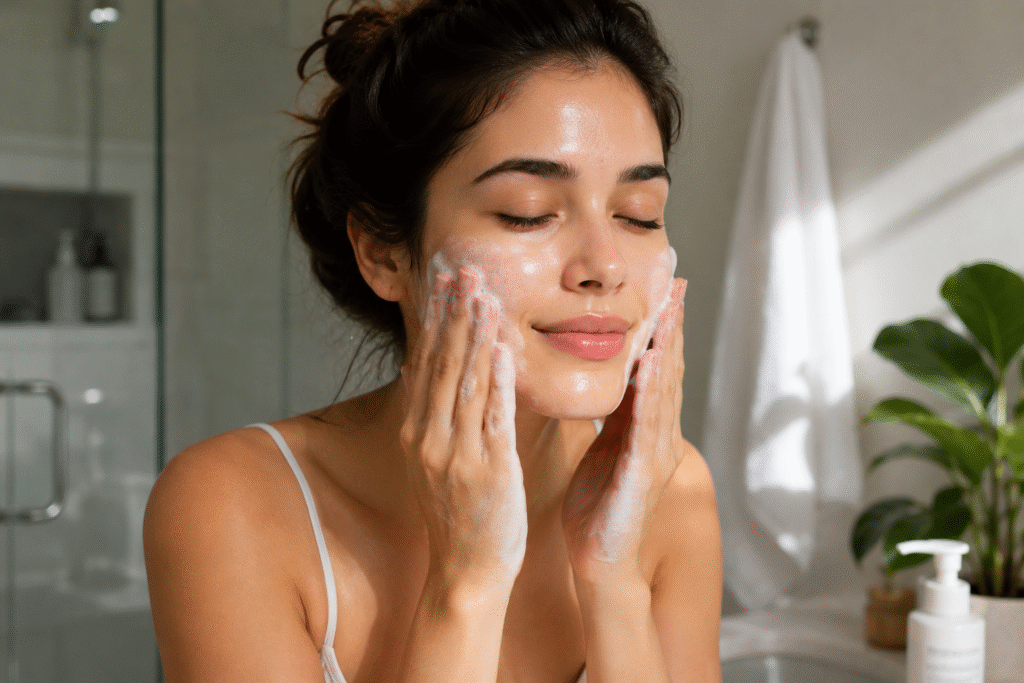
However, harsh cleansing may weaken the skin barrier and contribute to:
People researching how to get glowing skin often prefer gentle cleansers that leave the skin feeling comfortable rather than overly stripped.
Balanced cleansing routines are commonly preferred for maintaining healthier-looking skin.
The skin barrier helps protect the skin while maintaining hydration balance.
When the skin barrier becomes compromised, the skin may experience:
Supporting the skin barrier is often an important part of learning how to get glowing skin because healthy-looking skin is commonly associated with balanced hydration and skin comfort.
Balanced exfoliation may help improve the appearance of dull or rough-looking skin.
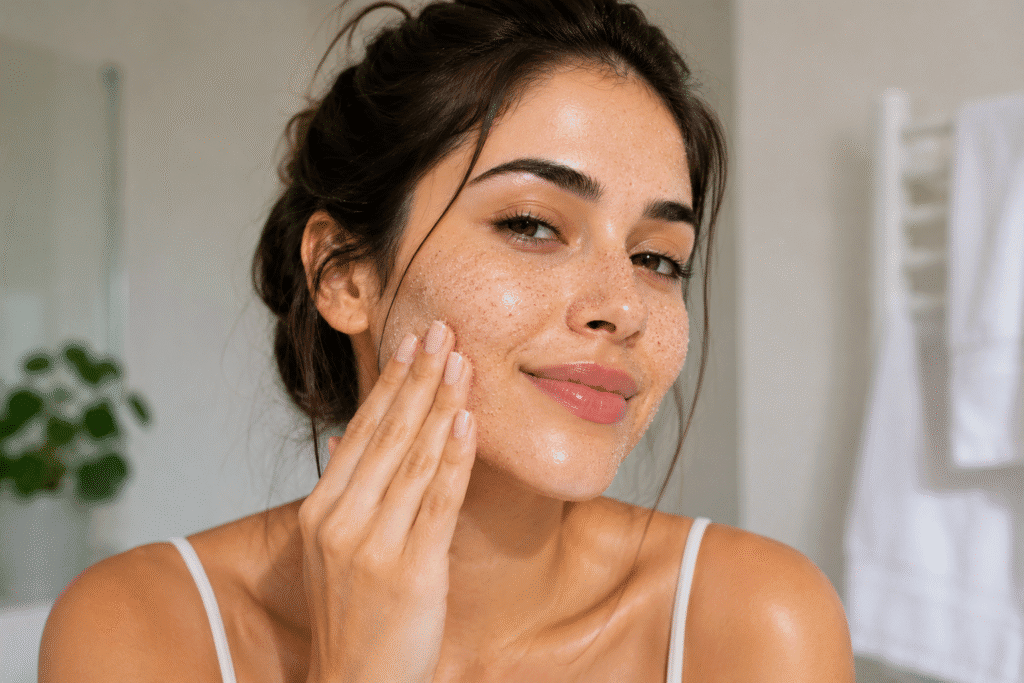
Exfoliation may help:
However, excessive exfoliation may increase irritation and weaken the skin barrier.
Many skincare routines focused on how to get glowing skin now prioritize balanced exfoliation combined with hydration and moisturization.
Moisturizers are commonly used to help maintain hydration and support smoother-looking skin.
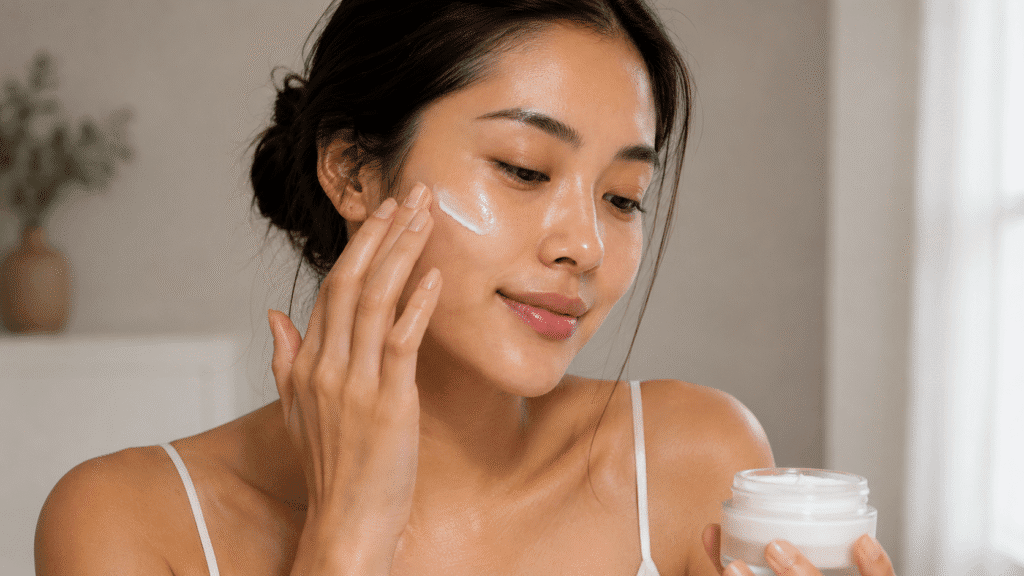
Moisturization may help:
People researching how to get glowing skin often prefer lightweight moisturizers that feel breathable while still supporting hydration throughout the day.
Lifestyle habits may also influence overall skin appearance over time.

Factors that may affect skin appearance include:
Healthy habits combined with balanced skincare routines are often associated with healthier-looking and more radiant-looking skin.
Many people learning how to get glowing skin also focus on healthy hydration and balanced nutrition habits.
Proper hydration may help support overall skin comfort and healthier-looking skin.
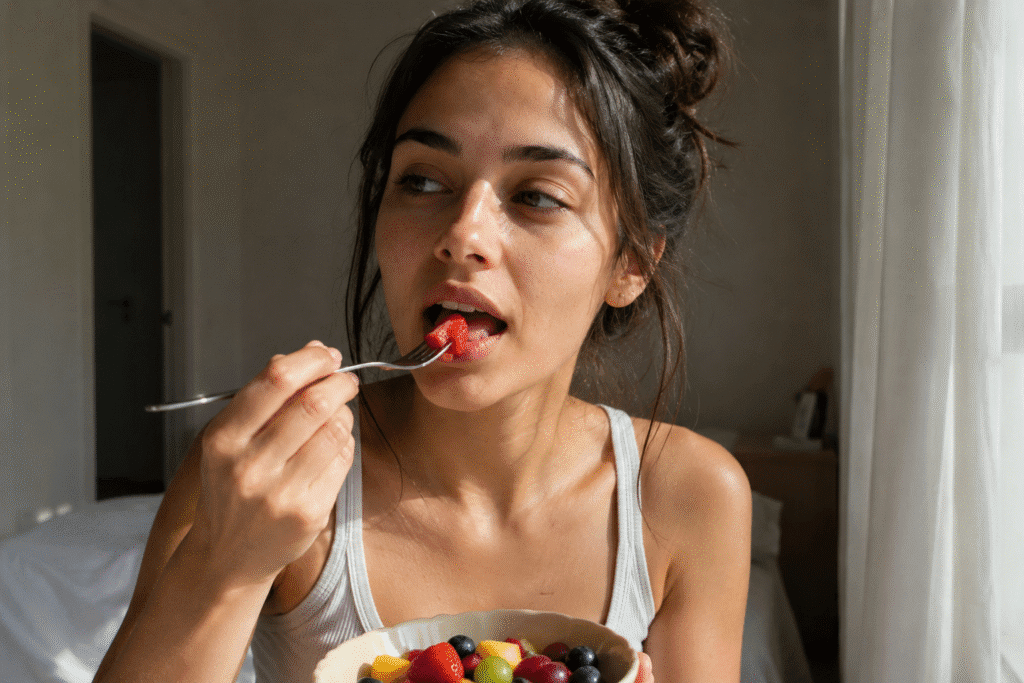
Foods commonly associated with skin health include:
Balanced wellness habits are often included in routines focused on maintaining glowing-looking skin.
Many people prefer lightweight makeup routines that allow the skin to appear more natural and radiant.
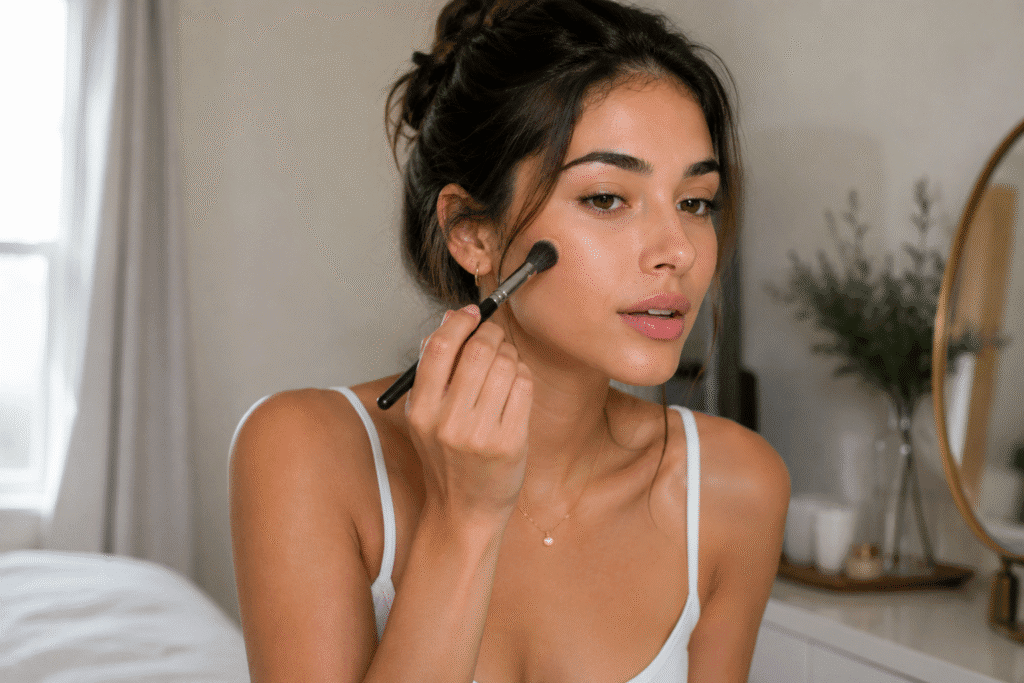
Heavy makeup layering may sometimes emphasize:
This is why many skincare-focused beauty routines now prioritize skin preparation and hydration before makeup application.
Many people now prefer simplified skincare routines focused on:
Instead of using too many harsh products at once, many skincare routines now focus on maintaining healthier-looking skin through consistency and balanced skincare habits.
Learning how to get glowing skin often takes time and consistency.
Many people focus on maintaining:
Healthy-looking skin is commonly associated with long-term skincare consistency rather than aggressive or overly complicated routines. According to Harvard Health, balanced and consistent skincare habits may better support long-term skin health and comfort.
Dull-looking skin may happen for several reasons, including dehydration, dead skin buildup, lack of sleep, excessive stress, or inconsistent skincare habits. Many people learning how to get glowing skin focus not only on products but also on hydration, sleep quality, and balanced skincare routines over time.
Yes. Oily skin may still lack water even while producing excess oil. Dehydrated oily skin may sometimes appear rough, tired, or uneven in texture. This is one reason many people with oily skin still include hydration-focused products in routines focused on how to get glowing skin.
Skin appearance may fluctuate because of stress, sleep quality, hydration levels, environmental exposure, weather changes, or skincare consistency. Many people notice that glowing-looking skin is often influenced by both skincare and overall lifestyle habits.
Yes. Excessive exfoliation may weaken the skin barrier and contribute to irritation, dryness, redness, or tight-feeling skin. Many skincare routines focused on how to get glowing skin now prioritize balanced exfoliation combined with hydration and skin barrier support.
Heavy makeup or makeup applied on dehydrated skin may sometimes emphasize rough texture, dry patches, or uneven skin appearance. Many people learning how to get glowing skin focus on skincare preparation and hydration before makeup application.
Learning how to get glowing skin often involves maintaining balanced skincare habits, supporting the skin barrier, and focusing on consistent hydration rather than relying on harsh or overly aggressive skincare routines.
Many people now prioritize gentle cleansing, hydration-focused products, balanced exfoliation, moisturization, and healthy lifestyle habits to help support healthier-looking and more radiant-looking skin over time.
Instead of chasing perfect skin, many skincare routines focused on how to get glowing skin now emphasize long-term skin comfort, hydration balance, and maintaining naturally healthier-looking skin through consistency and balanced care.