

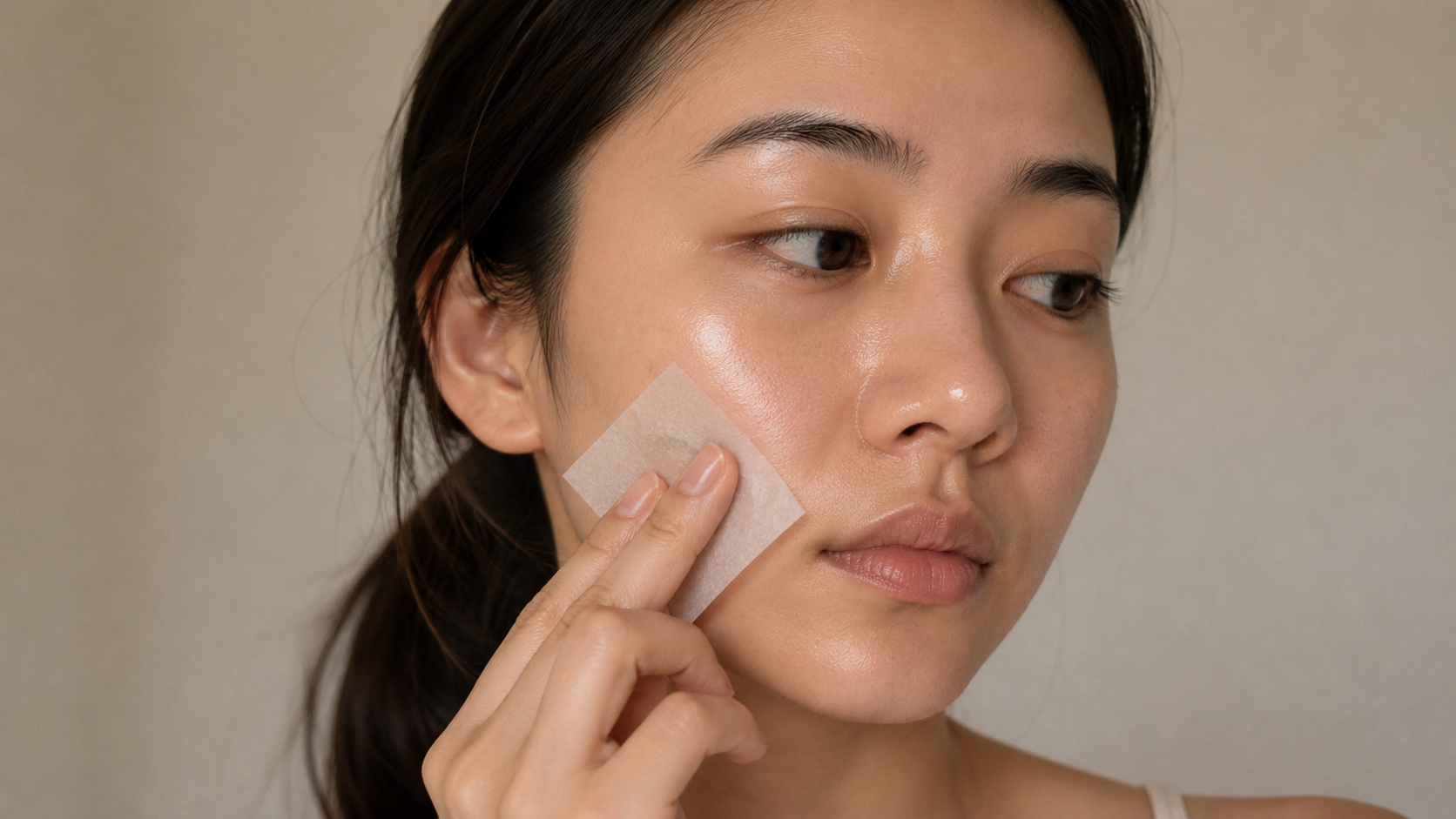
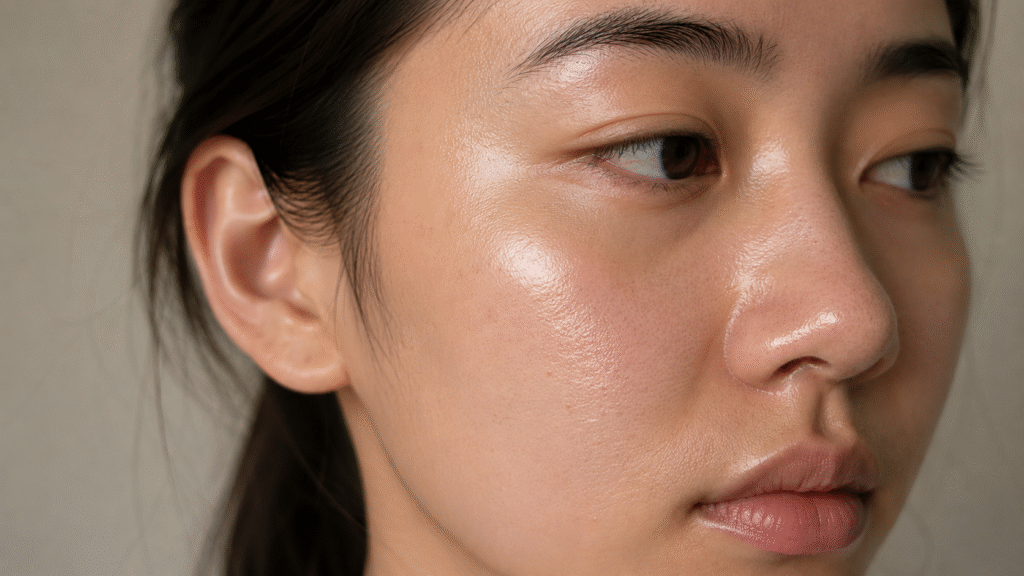
Finding effective oily skin solutions can feel overwhelming, especially when your skin becomes shiny only a few hours after cleansing or applying makeup.
For many people, oily skin leads to concerns like:
- Excess shine
- Enlarged pores
- Makeup breaking down quickly
- Frequent clogged pores
- Uneven skin texture
Because of this, people often try harsh cleansers, alcohol-based toners, or aggressive skincare routines to remove oil completely. Unfortunately, over-drying your skin can actually make oil production worse.
The truth is that healthy oil-prone skin management is not about stripping your face dry. The best oily skin solutions focus on balance, hydration, and supporting your skin barrier while controlling excess oil.
With the right skincare habits and consistency, this skin type can look smoother, healthier, and more refined over time.
What Causes Oily Skin?
Before choosing the best oily skin solutions, it’s important to understand what causes excess shine in the first place.
Your skin naturally produces an oil called sebum. Sebum helps:
- Protect the skin barrier
- Prevent moisture loss
- Keep skin soft and flexible
However, when the sebaceous glands produce too much oil, the skin may appear greasy or shiny throughout the day.
Several factors can contribute to excess oil production.
Genetics
One of the biggest causes of oily skin is genetics. If this trait runs in your family, there’s a higher chance your skin naturally produces more oil.
Although genetics cannot be changed, there are still oily skin solutions that may help manage shine and support healthier-looking skin, including lightweight moisturizers, gentle cleansers, and balanced skincare routines.
Hormonal Changes
Hormonal fluctuations can increase sebum production.
This is especially common during:
- Puberty
- Stress
- Pregnancy
- Menstrual cycles
Hormones play a major role in skin balance and oil production.
Over-Cleansing
One of the most overlooked causes of shine-prone skin is washing the face too aggressively.
Harsh cleansers can strip natural moisture, causing the skin to respond by producing even more oil. This is why gentle cleansing is often recommended as part of effective oily skin solutions for maintaining balanced and healthier-looking skin.
Climate and Humidity
Hot and humid environments can increase oil production and make the skin feel greasier throughout the day. Because of this, many oily skin solutions focus on lightweight skincare products that help support hydration without feeling heavy on the skin.
Using the Wrong Products
Heavy skincare formulas or incompatible makeup products may clog pores and contribute to excess shine.
Using lightweight, oil-friendly formulas is often one of the most effective solutions for oily skin.
Signs You May Have Oily Skin
People with oil-prone complexions often notice several common signs.
These include:
- Shine appearing shortly after cleansing
- Makeup fading quickly
- Enlarged pores, especially around the T-zone
- Frequent clogged pores or blackheads
- Skin feeling greasy during the day
Understanding your skin type helps you choose more effective oily skin solutions that may better support long-term skin balance and healthier-looking skin.
Why Stripping Your Skin Makes Oiliness Worse
Many people believe oily skin needs strong drying products, but this often creates more problems.
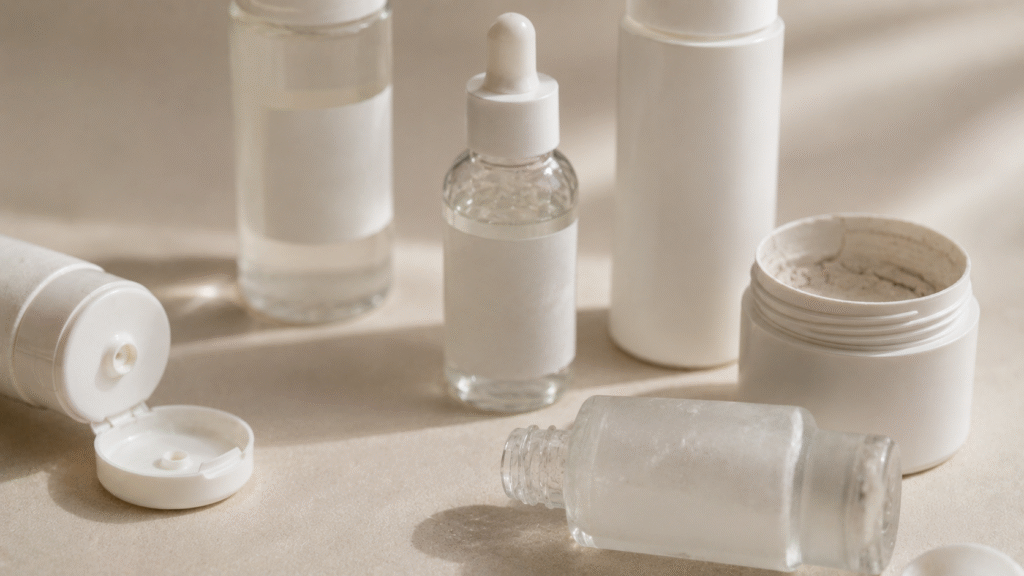
When the skin becomes overly dry:
- The skin barrier weakens
- Irritation may increase
- The skin compensates by producing more oil
This cycle can make shine-prone skin feel impossible to manage.
Instead of removing all moisture, the best oily skin solutions focus on maintaining hydration while helping control excess shine and supporting overall skin balance.
Balanced skin often appears healthier and less greasy over time.
The Best Solutions for Oily Skin, Every Day
Managing this skin type doesn’t require an overly complicated routine. In fact, simpler routines are often more effective.
Here are some of the best daily approaches for oily skin that can help maintain balance without irritating your skin.
1. Use a Gentle Cleanser
Cleansing is important for removing excess oil, sweat, sunscreen, and makeup buildup.
However, overly harsh cleansers can damage the skin barrier and increase oil production.
A gentle cleanser helps:
- Remove dirt and oil
- Maintain moisture balance
- Reduce buildup without irritation
For oil-prone skin, cleansing twice daily is usually enough.
Over-cleansing may trigger additional oil production.
2. Don’t Skip Moisturizer
One of the biggest skincare mistakes for oily skin is avoiding moisturizer.
Many people assume moisturizer will make shine worse, but dehydration can actually increase oiliness.
Lightweight moisturizers help:
- Maintain hydration
- Improve skin texture
- Support the skin barrier
- Balance oil production
Gel moisturizers and water-based formulas are often ideal for oily skin because they hydrate without feeling heavy.
3. Choose Lightweight Products
Heavy creams and thick makeup products can sometimes overwhelm oil-prone complexions.
Instead, look for:
- Gel textures
- Lightweight serums
- Water-based formulas
- Non-greasy moisturizers
These products feel more breathable and comfortable throughout the day. This is one reason lightweight oily skin solutions are commonly preferred by people who want hydration without a heavy or greasy feeling on the skin.
4. Use Oil-Balancing Ingredients
Certain skincare ingredients are especially beneficial for oily skin.
Some of the most popular oily skin solutions include ingredients that help balance sebum production while supporting healthy skin.
Niacinamide
Helps reduce the appearance of excess oil and improve skin texture.
Hyaluronic Acid
Provides lightweight hydration without heaviness.
Green Tea Extract
Helps soothe and refresh the skin.
Salicylic Acid
Helps unclog pores and reduce buildup. The Medical News Today guide on salicylic acid explains that salicylic acid is commonly used to help reduce buildup and unclog pores.
Clay-Based Ingredients
Help absorb excess oil temporarily.
Using balanced formulas is often more effective than aggressive oil-removal products.
5. Simplify Your Routine
Many people overload oil-prone skin with too many active ingredients at once.
Overcomplicated routines can:
- Irritate the skin
- Weaken the barrier
- Cause dryness and rebound oiliness
Instead of layering too many products, focus on:
- Gentle cleansing
- Lightweight hydration
- Oil balance
- Consistency
Simple routines are often the most sustainable solutions for oily skin.
How Makeup Affects Oily Skin
Makeup products can also impact oil production and shine throughout the day.
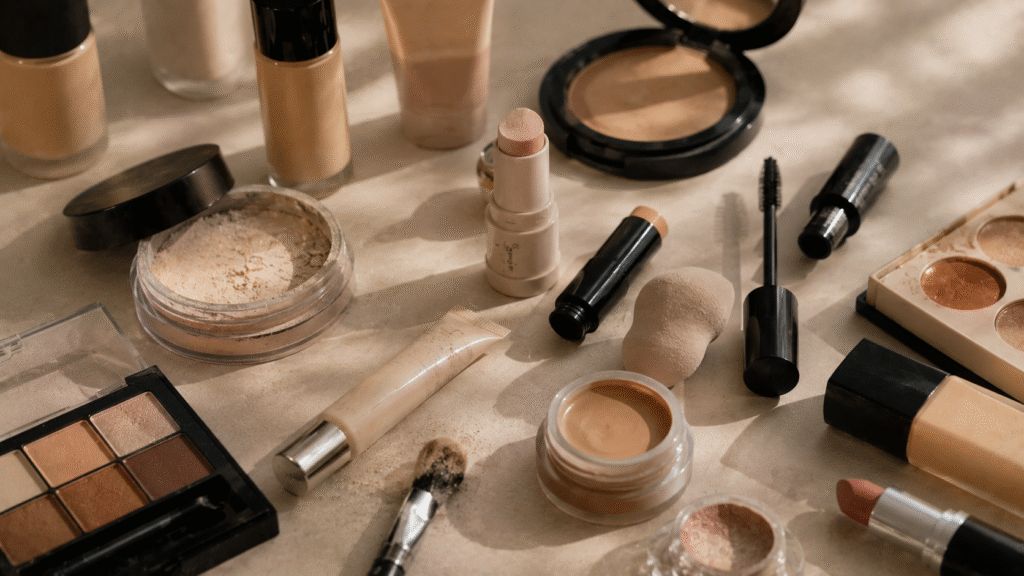
Heavy makeup formulas may:
- Break apart faster
- Mix with excess oil
- Settle into pores
Using oil-friendly makeup products can help maintain a smoother appearance.
Tips for Makeup on Oily Skin
Use Lightweight Primer
Primers designed for oily skin can help reduce shine and create a smoother base. If you want more long-lasting makeup tips, you may also read our article “How to Make Makeup Last All Day Without Constant Touch-Ups,” which covers simple ways to help makeup stay fresh-looking throughout the day.
Avoid Excess Powder
Too much powder can create dryness and texture buildup.
Apply Thin Layers
Light layers of foundation usually look more natural and last longer.
Use Long-Wear Products
Long-wear formulas often perform better for this skin type.
Combining makeup-friendly skincare with proper application techniques is one of the most effective oily skin solutions for maintaining a balanced, shine-controlled finish.
Daily Habits That Help Reduce Excess Oil
Good skincare goes beyond products alone.
Certain lifestyle habits and oily skin solutions may help support healthier-looking skin and improve overall skin balance over time.
Wash Pillowcases Frequently
Oil and bacteria can build up on fabric surfaces.
Remove Makeup Before Bed
Sleeping in makeup may contribute to clogged pores and irritation.
Avoid Touching Your Face
Frequent touching transfers oil and bacteria.
Stay Consistent With Your Routine
Consistency is one of the most important oily skin care habits.
Wear Sunscreen Daily
Sun protection helps maintain healthier skin overall.
Healthy daily habits work together with effective oily skin solutions to improve skin balance long term.
Common Mistakes That Make Oily Skin Worse
Even good skincare products may not help if certain habits continue causing imbalance.
Avoid these common mistakes:
- Over-cleansing
- Skipping moisturizer
- Using too many active ingredients
- Constantly reapplying powder
- Using heavy skincare textures
- Picking at clogged pores
Healthy oil-prone skin management focuses on balance instead of harsh correction.
Can Oily Skin Still Be Dehydrated?
Yes. Oily skin can absolutely become dehydrated.
This happens when the skin lacks water but still produces excess oil.
Signs of dehydrated oily skin may include:
- Tightness after cleansing
- Oiliness with flaky areas
- Makeup separating quickly
- Dull texture
This is why hydration-focused oily skin solutions are still extremely important for maintaining balanced and healthier-looking skin.
Hydrated skin often behaves more predictably and feels more comfortable throughout the day.
How Long Does It Take to Improve Oily Skin?
Consistency matters more than quick fixes.
Most people begin noticing improvements after maintaining a balanced skincare routine for several weeks.
Results depend on:
- Skin type
- Product consistency
- Lifestyle habits
- Hormonal factors
The best oily skin solutions focus on long-term skin health rather than overnight changes.
Q&A
Focus on a simple, gentle, and consistent skincare routine. In the morning, wash your face with a mild cleanser, follow with a lightweight gel or water-based moisturizer, and apply sunscreen daily. At night, cleanse thoroughly to remove buildup like oil, sweat, sunscreen, and makeup, then use lightweight products that help balance oil production, such as a niacinamide serum, along with a non-heavy moisturizer. Try not to layer too many strong active ingredients, as a balanced routine helps protect your skin barrier and manage excess oil more effectively.
Twice daily is usually enough. Washing too aggressively or too often can strip natural moisture, weaken the barrier, and trigger more oil production. Stick to a gentle cleanser that removes dirt and buildup without over-drying.
Choose lightweight, oil-friendly textures: gel moisturizers, water-based formulas, non-greasy creams, and light serums. Look for oil-balancing and supportive ingredients like niacinamide (refines texture and the look of excess oil), hyaluronic acid (weightless hydration), green tea extract (soothing), salicylic acid (helps unclog pores), and clay-based ingredients (temporary oil absorption).
Prep with skincare that hydrates without heaviness, then use a primer designed for oily skin. Apply thin layers of foundation instead of heavy coverage, avoid excess powder (it can create dryness and texture), and choose long-wear formulas. Lightweight, balanced skincare underneath helps makeup last longer and look smoother.
Signs include tightness after cleansing, oily shine with flaky areas, dull texture, and makeup separating quickly. Focus on hydration without heaviness: keep using moisturizer (preferably gel or water-based), incorporate hydrating ingredients like hyaluronic acid, and avoid harsh, stripping routines. Balanced hydration helps oily skin behave more predictably over time.
Final Thoughts
Finding effective oily skin solutions doesn’t mean removing every trace of oil from your face.
Healthy skin naturally produces oil, and the goal is to maintain balance rather than aggressively drying the skin out.
With gentle cleansing, lightweight hydration, balanced ingredients, and consistent habits, oil-prone skin can become easier to manage and appear healthier over time.
Instead of chasing harsh quick fixes, focus on routines that support long-term skin health and help your skin stay comfortable, balanced, and refined every day.