
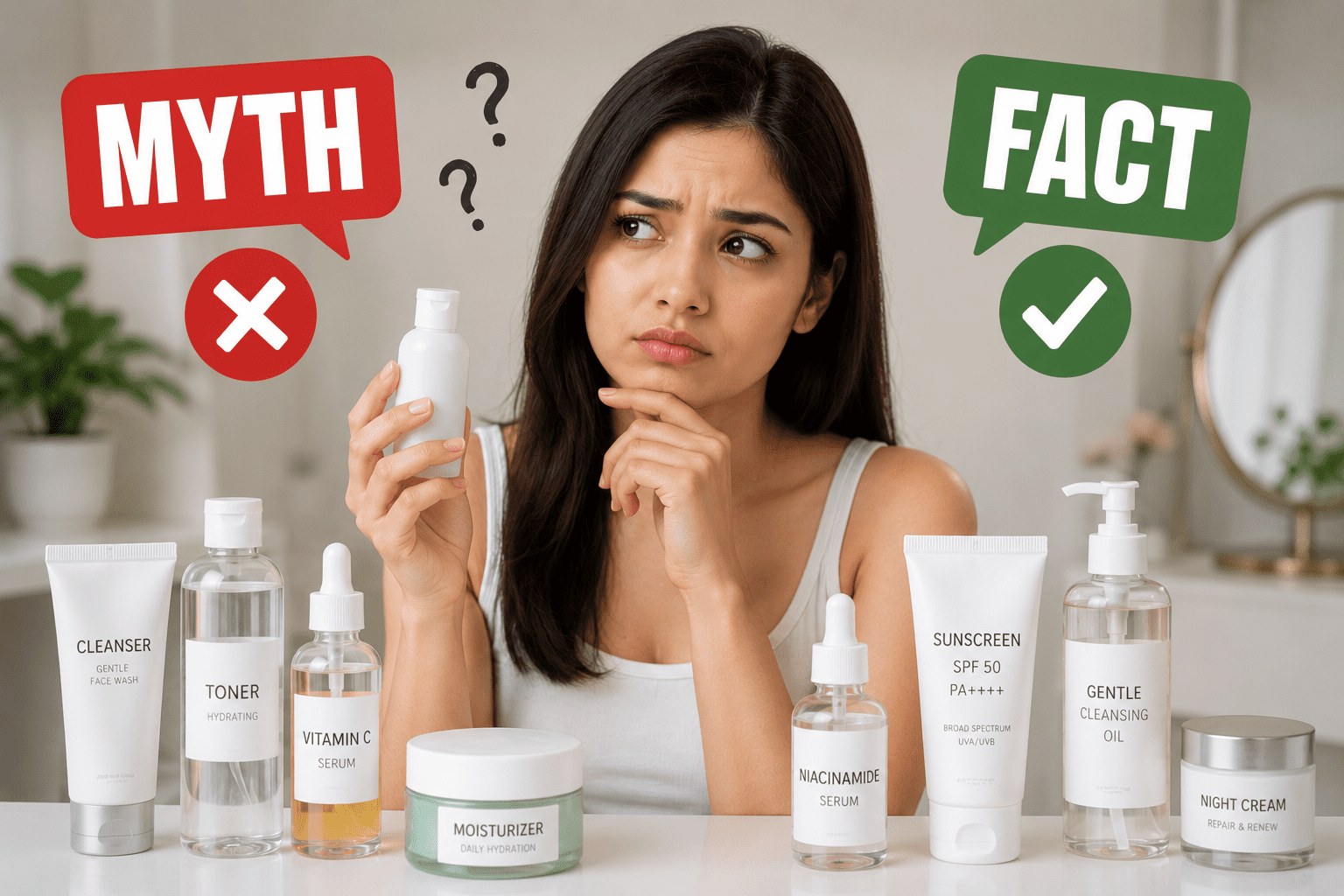
The skincare industry is filled with advice, trends, and viral tips, but not everything you hear is true. Many people still believe outdated or misleading skincare information that can actually harm their skin instead of improving it.
By uncovering the truth about common skincare myths, you can skip unnecessary products, avoid skin irritation, and develop a skincare routine that actually works. These myths persist due to marketing hype and misinformation.
Whether you are a beginner or already have a routine, learning to separate facts from skincare myths is essential for maintaining healthy skin.
One of the most common skincare myths is that oily skin should avoid moisturizer. In reality, skipping moisturizer can make oily skin worse.
When your skin becomes dehydrated, it may produce even more oil to compensate for the lack of hydration.
People with oily skin should still use a lightweight, non-comedogenic moisturizer to maintain a healthy skin barrier. If you want to better understand moisturizer textures and how they affect different skin types, you may also read our article “Gel vs Cream Moisturizer: Choose the Best for Your Skin.”
While hydration is important for overall health, believing that water alone will completely fix acne or skin problems is one of the most misunderstood skincare myths.

Healthy skin depends on multiple factors, including:
Water supports healthy skin, but it is not a miracle cure.
Many people believe that natural products are inherently safer, but this is one of the most misleading skincare myths around today.
Natural ingredients like lemon juice, baking soda, or essential oils can sometimes irritate or damage the skin.
Both natural and synthetic ingredients can be effective or harmful depending on the formulation and your skin type.
Another common skincare myth is that sunscreen is unnecessary when it is cloudy or when staying indoors.
UV rays can still penetrate clouds and windows, contributing to:
Daily sunscreen use is one of the most important skincare habits. The Skin Cancer Foundation explains that UV exposure may still affect the skin even on cloudy days or indoors near windows.
One of the oldest skincare myths is that acne disappears after adolescence.
Adult acne is extremely common and can be triggered by:
Many adults continue dealing with acne well into their 20s, 30s, and beyond.
Price does not always determine quality, yet many consumers still believe this popular skincare myth.
Some affordable skincare products contain the same active ingredients as luxury brands. Consistency and proper ingredients matter more than expensive packaging.
Aggressive scrubbing is one of the most damaging skincare myths because it can weaken your skin barrier.
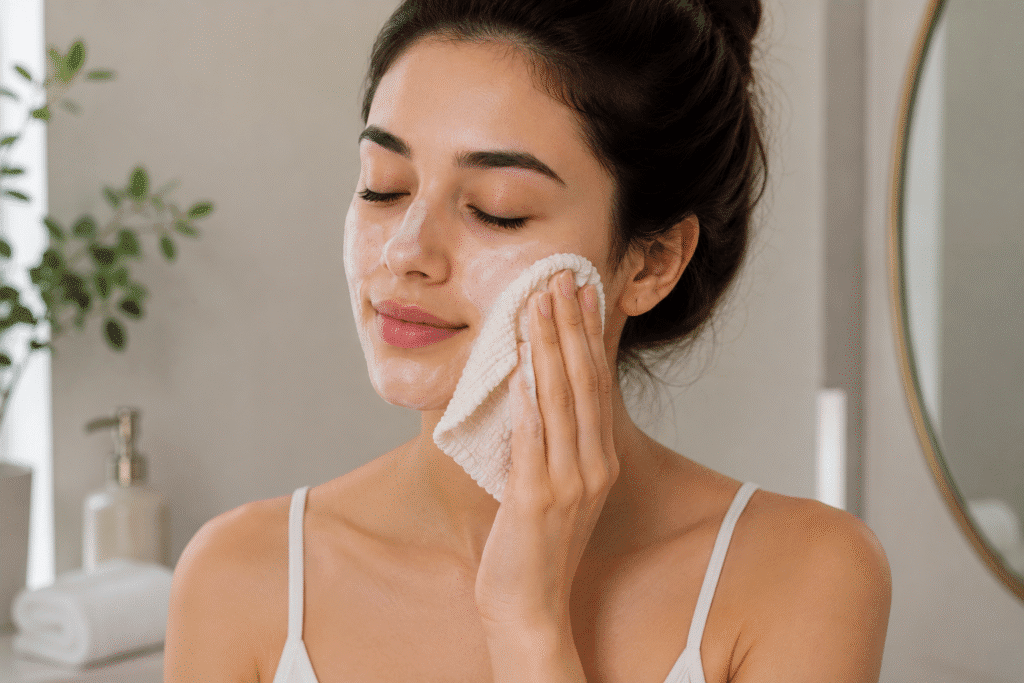
Over-exfoliating may cause:
Gentle cleansing is usually more effective than harsh scrubbing.
Social media trends often promote complicated skincare routines, leading many people to believe another one of the biggest skincare myths, that more products equal better skin.
A simple routine with:
is often enough for healthy skin.
Many skincare advertisements continue spreading this outdated skincare myth.
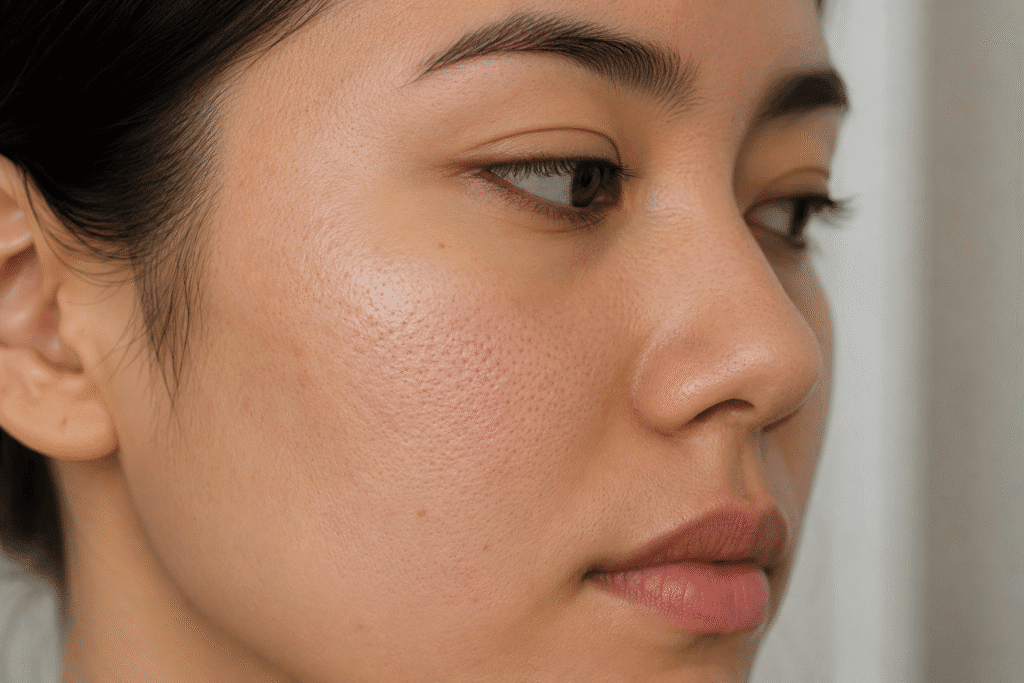
Pores do not physically open or close. Heat and steam may temporarily loosen debris inside pores, but pore size is mostly determined by genetics and skin type.
One of the most frustrating skincare myths is expecting instant results from products.
Most skincare products need several weeks of consistent use before visible improvements appear. Healthy skin requires patience and consistency.
To avoid common skincare myths, always:
Building healthy skin is about understanding what actually works instead of following misinformation online.
No. Skipping moisturizer can make oily skin produce even more oil. Use a lightweight, non-comedogenic moisturizer to keep your skin barrier healthy.
No. Hydration supports overall health, but clear skin depends on multiple factors like your skincare routine, diet, sleep, hormones, and sun protection. Water isn’t a miracle cure.
Not necessarily. Both natural and synthetic ingredients can help or harm depending on the formulation and your skin type. Natural options like lemon juice, baking soda, or essential oils can irritate or damage skin.
No. UV rays penetrate clouds and windows, contributing to premature aging, hyperpigmentation, sun damage, and skin cancer. Daily sunscreen use is essential.
Usually not. A simple, consistent routine like cleanser, moisturizer, and sunscreen is often enough for healthy skin.

Believing popular skincare myths can lead to wasted money, skin irritation, and unrealistic expectations. The best skincare routine is not always the most expensive or complicated one.
By learning the truth behind these common skincare myths, you can make smarter skincare decisions and build a healthier, more effective routine for the long term.