
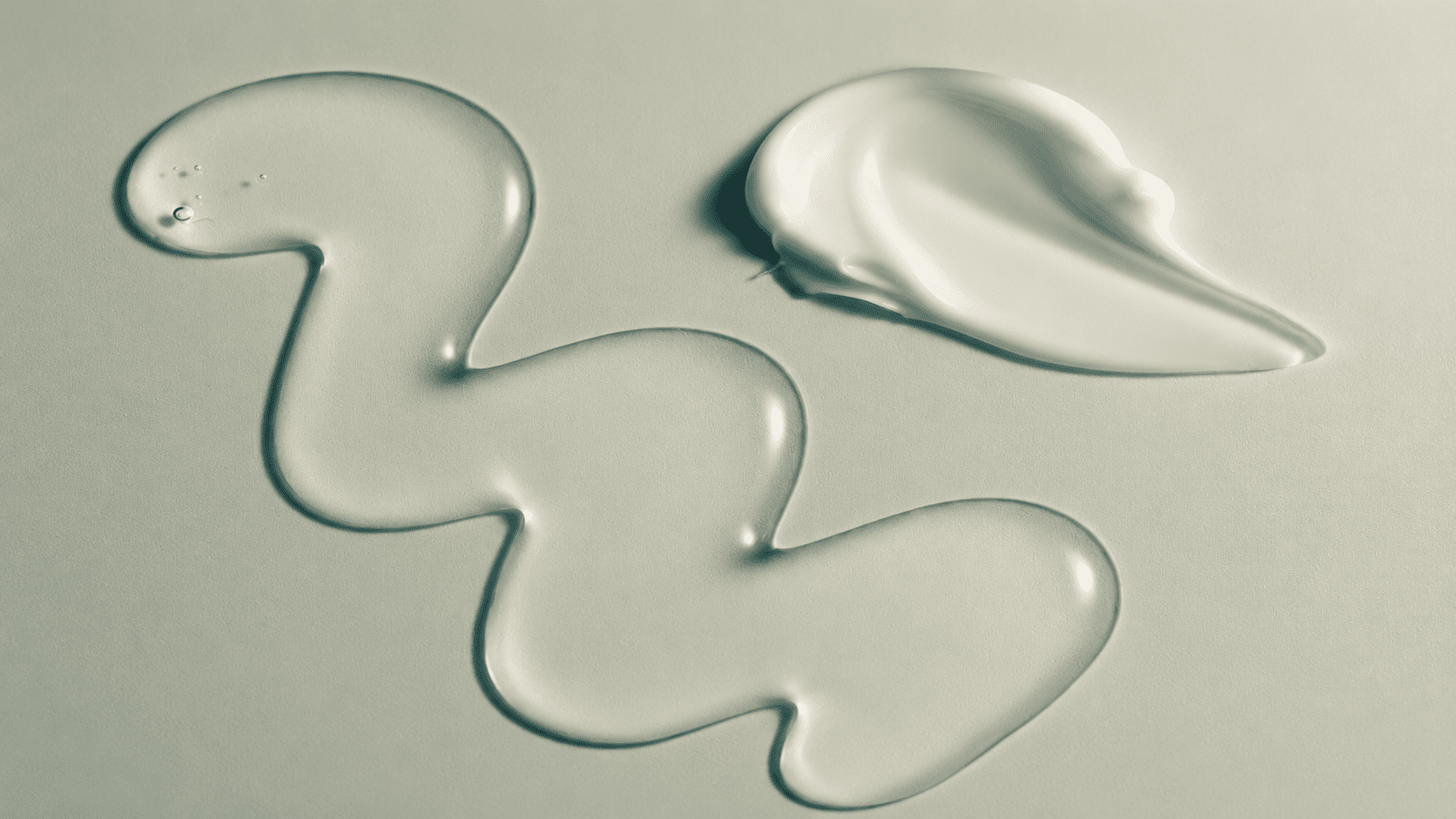
The topic of hydrating vs moisturizing is one of the most misunderstood areas in skincare. Many people assume hydration and moisture are exactly the same, but understanding this comparison can help you build a much more effective skincare routine.
When your skin feels dry, tight, oily, flaky, or uncomfortable, the issue may not always be a lack of moisturizer. Sometimes your skin lacks hydration instead. Knowing the difference between hydrating vs moisturizing products helps you choose formulas that properly support your skin type and overall skin health.
The conversation around this topic has become more important as skincare routines continue evolving. More people are learning that healthy-looking skin depends on maintaining both water content and moisture balance.
To understand the difference between hydrating vs moisturizing, it helps to start with hydration.
Hydrating skincare products are designed to increase water content in the skin. These products help the skin feel refreshed, plump, and more balanced.
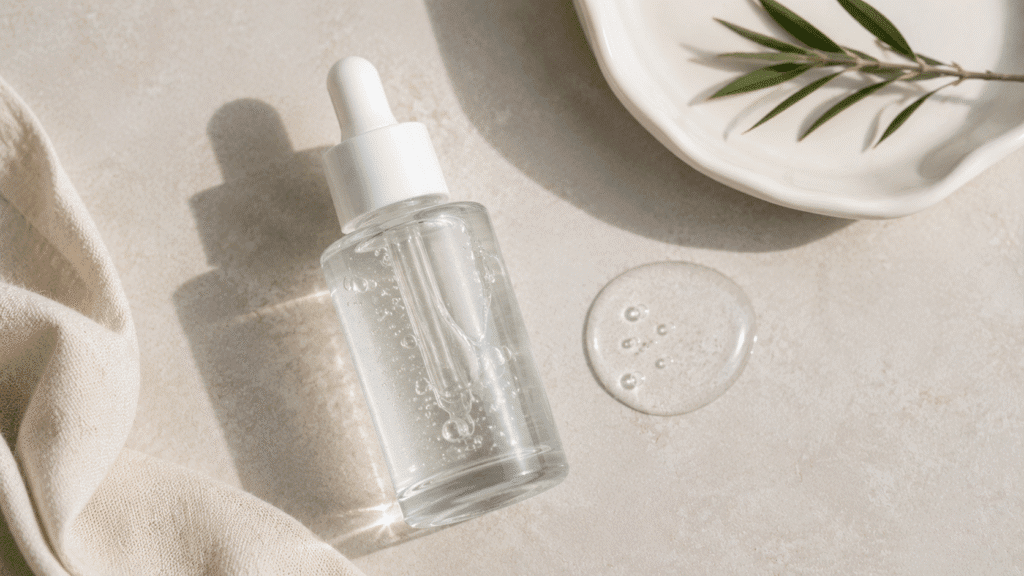
Hydration-focused products are commonly used when the skin feels:
Hydrating ingredients are often lightweight and water-based.
Common hydrating ingredients include:
In this comparison, hydration is mainly about adding water to the skin.
The second half of this hydrating vs moisturizing focuses on moisture retention and skin barrier support.
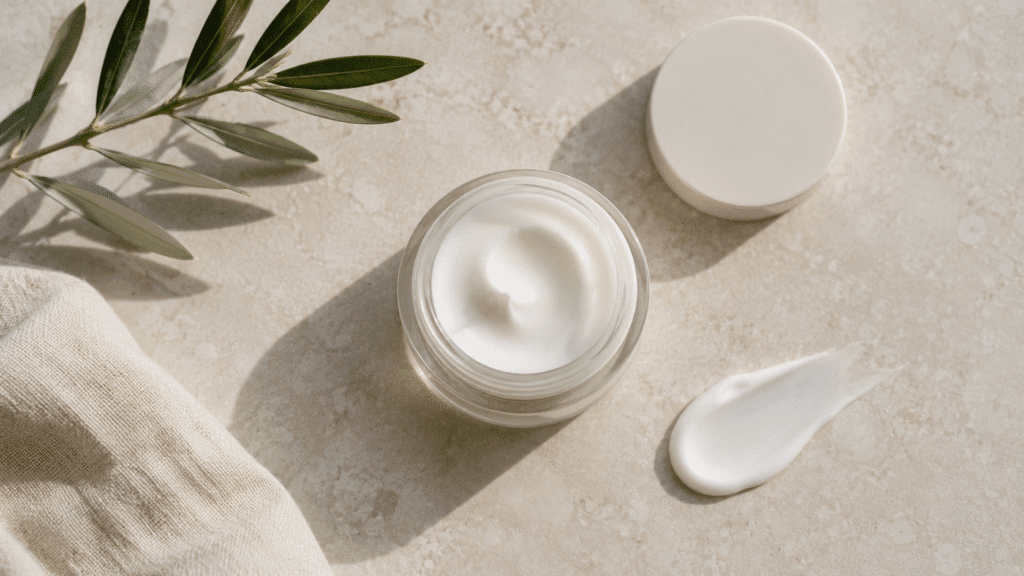
Moisturizing products help:
Research available through the National Library of Medicine discusses how skin barrier function influences moisture retention and overall skin balance.
Moisturizers are especially important for skin that feels:
Common moisturizing ingredients include:
Understanding this distinction means recognizing that moisturizers do not necessarily add water to the skin. Instead, they help seal hydration in place.
If you’re wondering about the difference between hydrating vs moisturizing, here’s the short answer:
This distinction is the foundation of balanced skincare routines.
Many skincare concerns happen because people misunderstand this topic.
For example:
Without a clear understanding, people often use products that don’t properly address what their skin actually needs.
Balanced skincare depends on maintaining both hydration and moisture support.
Yes. One of the most important things to understand about hydrating vs moisturizing is that dehydration and dryness are not identical.
Some people experience both at the same time, which is why combining hydrating and moisturizing products is often beneficial.
A common misconception in these discussions is that oily skin should avoid moisturizer.
In reality, oily skin still benefits from both hydration and moisture support.
When oily skin becomes dehydrated:
Using lightweight hydrating and moisturizing products can help maintain skin balance without heaviness.
Understanding this distinction is especially important for oily and combination skin types.
Proper layering is an important part of a balanced routine. If you’re unsure whether to apply hydrating or moisturizing products first, follow this order:
Hydrating products are usually applied first because they deliver water to the skin.
Moisturizers are applied afterward to help seal hydration into the skin and support the barrier.
This method helps maximize the benefits of both steps.
Understanding this hydrating vs moisturizing becomes easier when you recognize signs of dehydration.
Your skin may need hydration if it:
Hydrating products can help improve water balance and overall skin comfort.
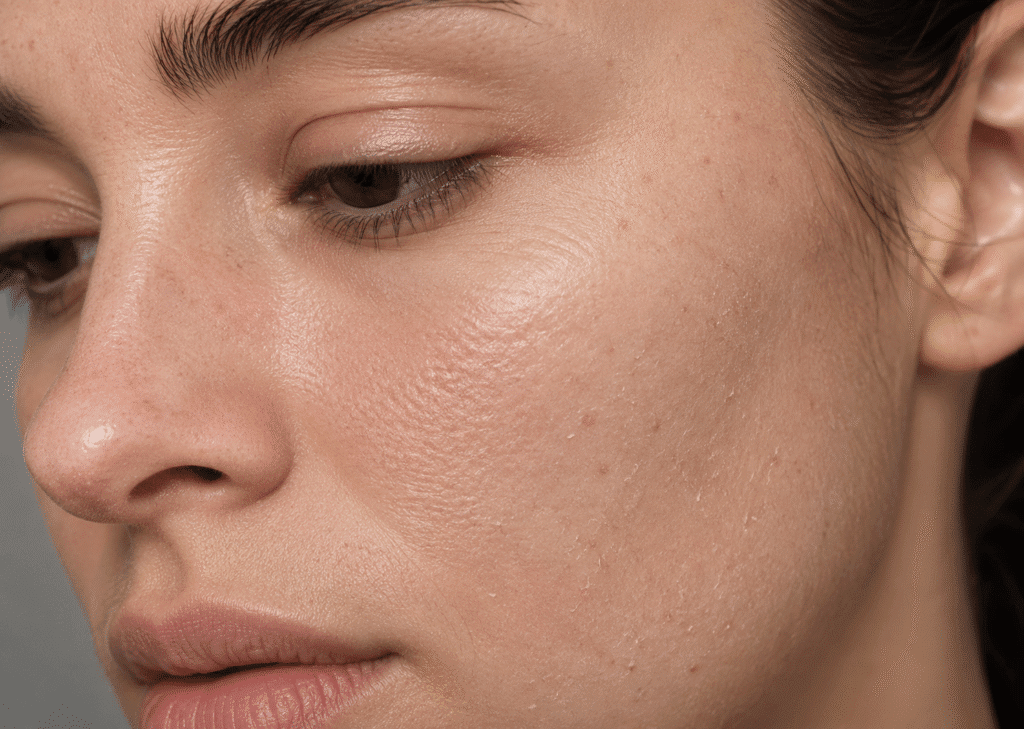
Your skin may need additional moisture if it:
Moisturizers help improve comfort while reducing moisture loss.
Recognizing these differences helps clarify your skincare needs.
Many skincare mistakes happen because people misunderstand product roles.
Common mistakes include:
Healthy skincare focuses on supporting both hydration and barrier balance.
Using both hydrating and moisturizing products can help improve:
Balanced skincare routines often produce more consistent long-term results.
This is why learning the distinction is so important for maintaining healthier-looking skin.
Different skin types require different levels of hydration and moisture. Understanding your skin type may help you choose products that better support your skin’s needs and overall balance.
Often benefits from:
Usually benefits from:
May benefit from:
Understanding this distinction helps you customize your routine more effectively.
If you want to learn more, you may also read our article “How to Know About Your Skin Type and Why It Matters,” which explains how identifying your skin type may help improve your skincare routine.
Hydrating products add water to the skin, while moisturizing products help seal hydration in and prevent moisture loss.
Yes. Oily skin still benefits from moisture support and hydration to maintain balance.
No. Dehydrated skin lacks water, while dry skin lacks oil.
Ceramides, shea butter, squalane, and jojoba oil are commonly used moisturizing ingredients.
Hyaluronic acid, glycerin, aloe vera, and panthenol are commonly used hydrating ingredients.
Understanding this distinction can completely change how you approach skincare.
Hydrating products help replenish water in the skin, while moisturizing products help seal that hydration into the skin and support the skin barrier.
Once you grasp the difference, it becomes easier to choose products that properly support your skin type and create a healthier, more balanced skincare routine.
Healthy-looking skin usually needs both hydration and moisture to stay smooth, comfortable, and balanced over time.