
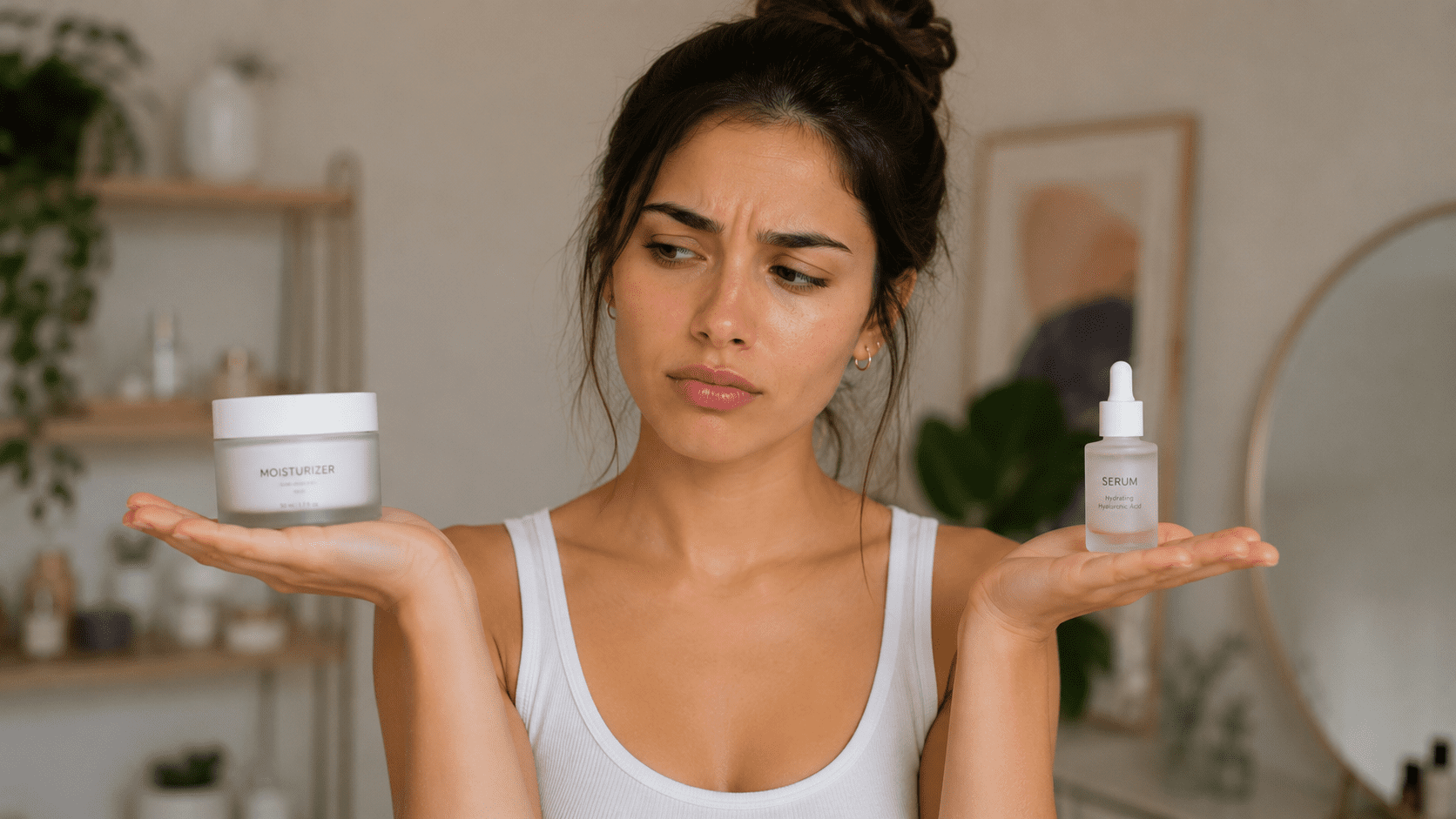
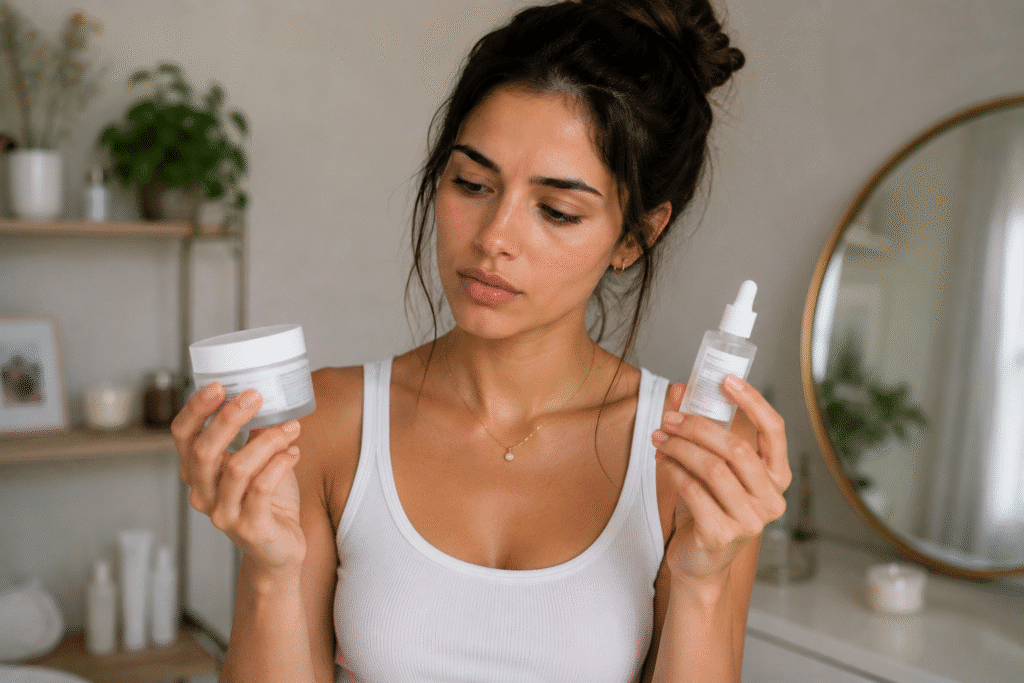
Many people researching skincare eventually ask the question: serum vs moisturizer — what is the difference, and do you really need both?
Understanding the serum vs moisturizer comparison is important because both products serve different purposes in many skincare routines. While they are commonly used together, they are not always designed to do the exact same thing.
In many skincare routines, serums are often associated with lightweight targeted skincare support, while moisturizers are commonly used to help maintain hydration and support the skin barrier.
People learning about this comparison often focus on:
Modern skincare routines now commonly combine both products to help support healthier-looking and more balanced-looking skin.
A serum is commonly a lightweight skincare product designed to deliver concentrated ingredients to the skin.
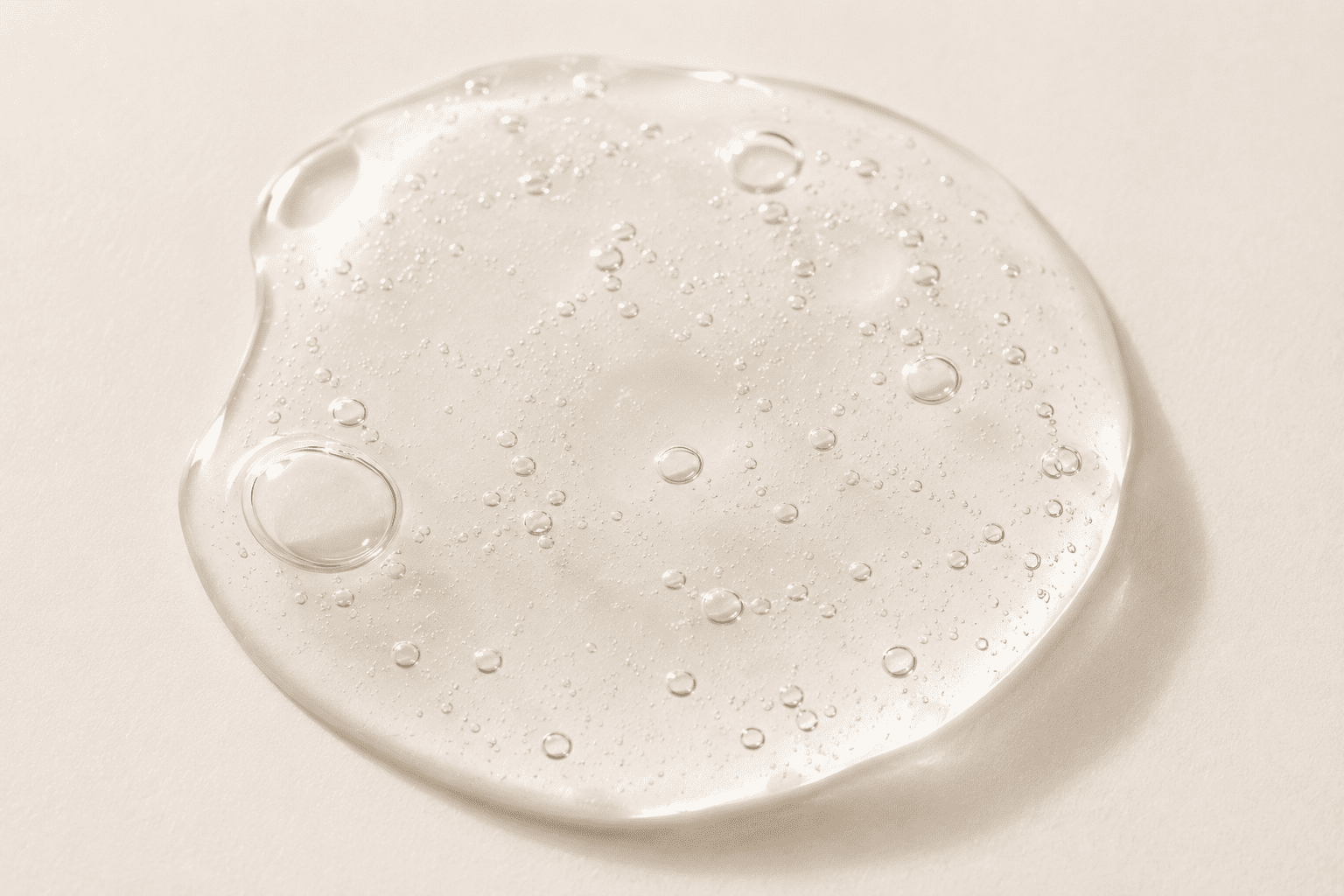
Serums are often associated with:
Many comparisons note that serums are typically thinner in texture compared to moisturizers.
Ingredients commonly found in serums may include:
People researching this topic often prefer serums because they usually feel lightweight and breathable on the skin.
A moisturizer is commonly used to help support hydration balance and reduce moisture loss from the skin.
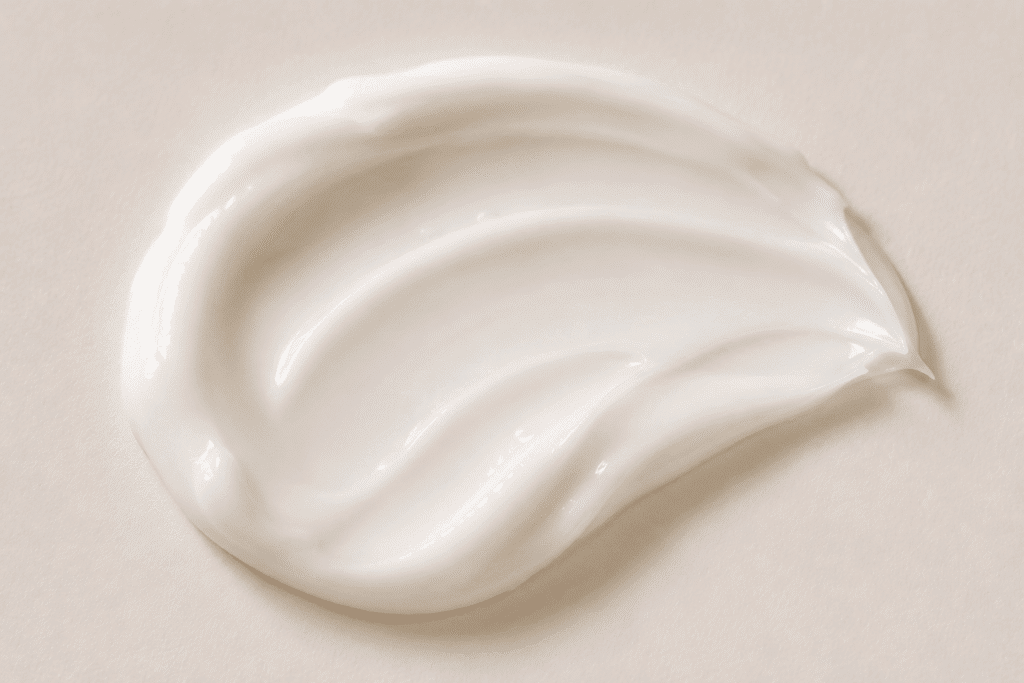
Moisturizers are often associated with:
In side-by-side comparisons, moisturizers are usually thicker than serums because they are designed to help lock in hydration.
Ingredients commonly found in moisturizers may include:
Many skincare routines include moisturizers after serums to help maintain overall hydration balance.
The biggest differences between the two are usually texture and purpose.
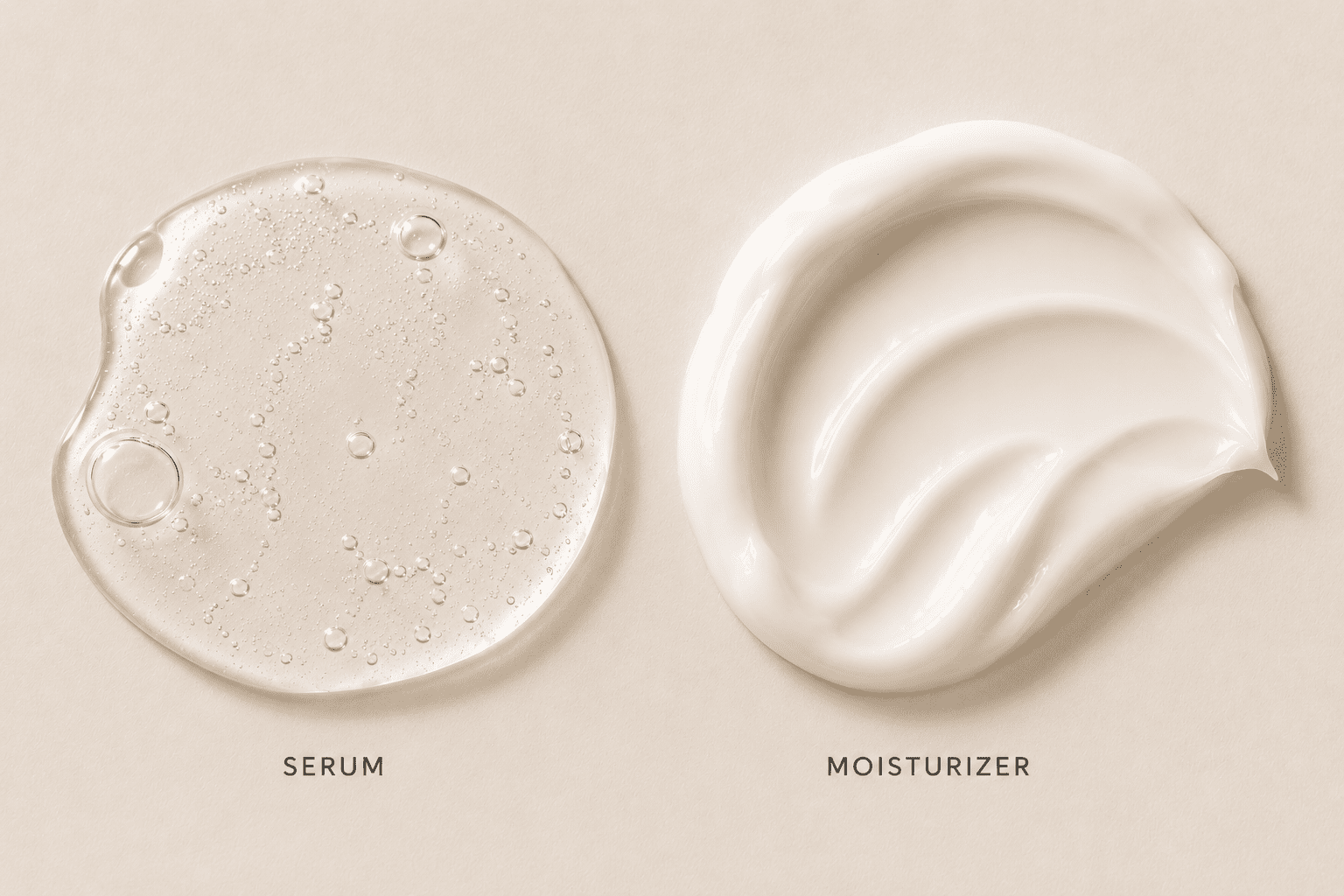
Serums are commonly designed to:
Meanwhile, moisturizers are commonly designed to:
This is why many skincare routines use both products together rather than choosing only one in the broader serum vs moisturizer conversation.
Yes. Many skincare routines commonly use both products together.
A common layering order is:
Many people apply serum first because lightweight products are commonly layered before thicker creams or moisturizers.
Using both products together is often associated with:
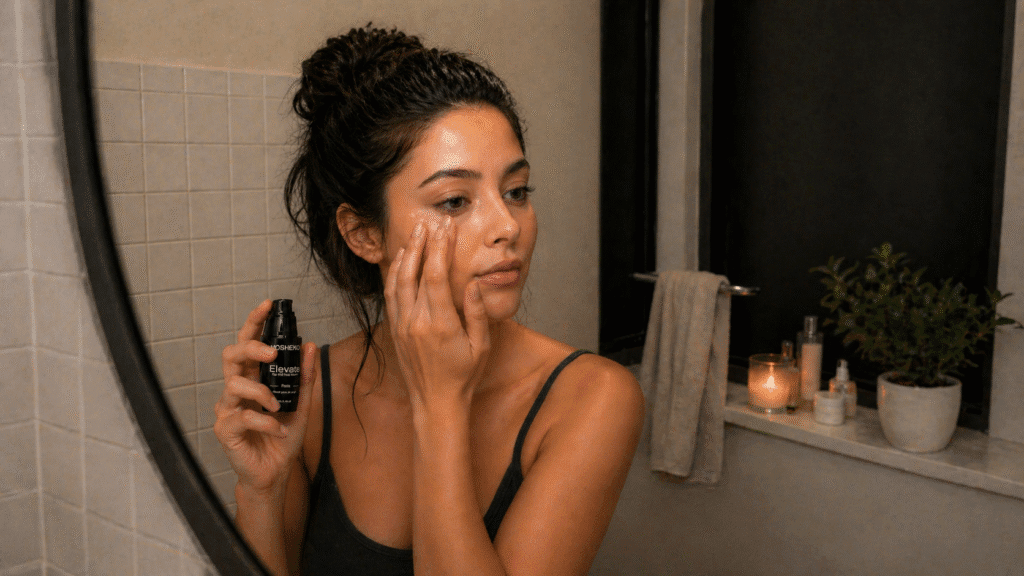
Some lightweight serums may provide hydration, but many skincare routines still include moisturizer afterward.
This is because moisturizers are commonly used to help support the skin barrier and reduce moisture loss throughout the day or overnight.
People researching this question often learn that hydration and moisture retention are not always the same thing.
Balanced skincare routines now commonly focus on both:
Different skin types may prefer different serum and moisturizer textures.
For example:
Many skincare routines that use both are now customized based on overall skin comfort and hydration needs rather than following overly strict skincare rules.
Some people layer too many skincare products at once in hopes of improving skin quickly, especially when researching serum vs moisturizer routines.
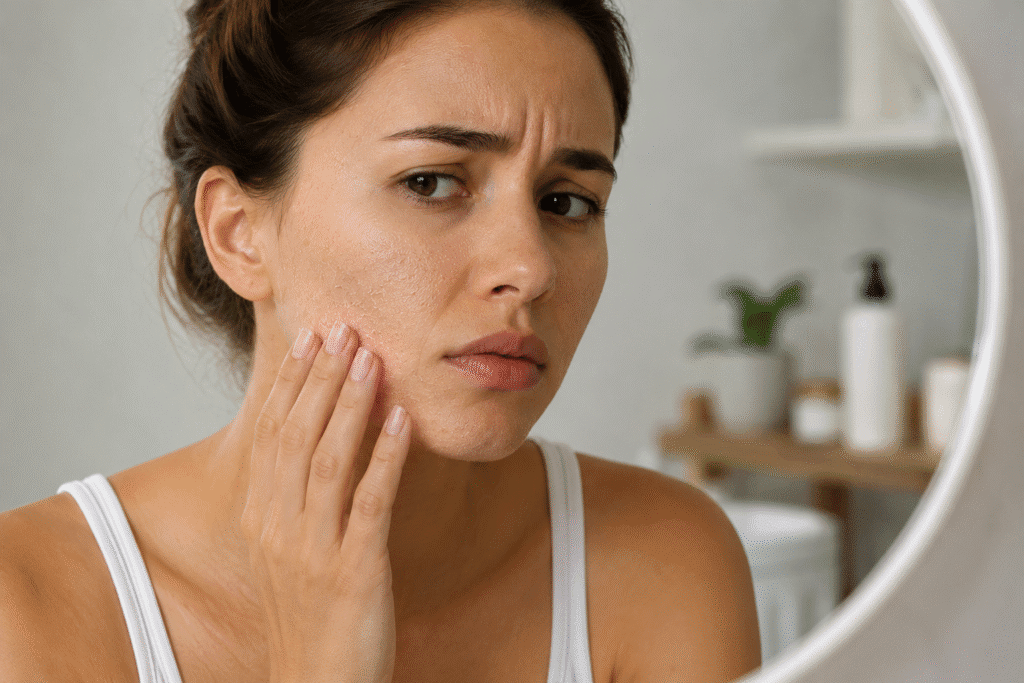
However, excessive skincare layering may sometimes contribute to:
Many serum vs moisturizer skincare routines now focus on simplified skincare habits and balanced layering rather than using too many active ingredients at once. Lightweight and consistent skincare routines are often preferred for maintaining healthier-looking and more comfortable skin over time.
Hydration is commonly associated with smoother-looking and healthier-looking skin.
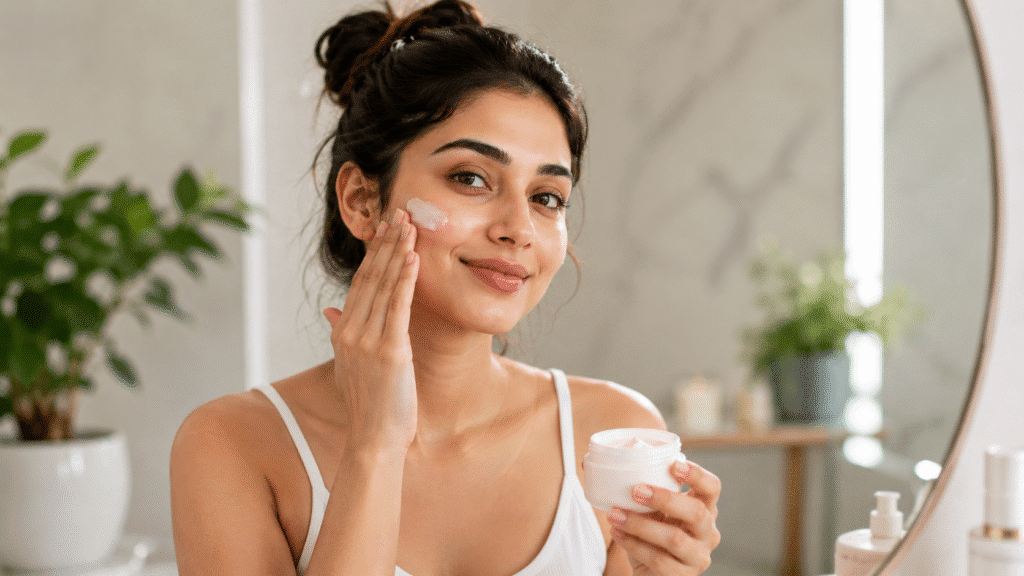
Dehydrated skin may sometimes appear:
According to Medical News Today, dehydrated skin may appear dull, tight, and uneven in texture.
This is why many routines now focus on maintaining hydration balance instead of stripping the skin excessively.
The skin barrier helps maintain moisture balance and overall skin comfort, which is an important topic in many serum vs moisturizer skincare discussions.
When the skin barrier becomes compromised, the skin may experience:
Supporting the skin barrier is often an important part of balanced serum vs moisturizer routines because both products may help support hydration balance and overall skin comfort.
Lifestyle habits may also influence how the skin looks and feels over time.

Factors that may affect skin appearance include:
Balanced skincare routines combined with healthy lifestyle habits are often associated with healthier-looking skin.
Many people now prefer simplified skincare routines focused on:
Instead of using too many harsh products at once, many skincare routines now focus on maintaining healthier-looking skin through consistency and balanced skincare habits.
A balanced serum vs moisturizer routine often includes both lightweight hydration and moisture support. This is why many skincare routines combine serums and moisturizers together instead of choosing only one product.
Mosheko Elevate Eye and Face Serum is designed to provide lightweight hydration and a breathable skin feel that layers comfortably within everyday skincare routines. Serums are commonly preferred for their fast-absorbing texture and are often used before moisturizer to help support smoother-looking and more hydrated-looking skin.
Meanwhile, Mosheko Enhance Moisturizer is designed to help support hydration balance and skin comfort without leaving the skin feeling overly heavy or greasy. Moisturizers are commonly used after serums to help maintain moisture and support the skin barrier throughout the day or overnight.
Using both products together may help support:
Many people researching serum vs moisturizer now prefer simplified skincare routines that combine lightweight hydration with balanced moisturization for healthier-looking skin over time.
Many routines use both because they play different roles. Serums are lightweight and deliver targeted ingredients, while moisturizers help reduce moisture loss and support the skin barrier. Even if a serum feels hydrating, a moisturizer is commonly added afterward to help lock in that hydration and maintain overall balance.
Hydration is about adding water to the skin for a smoother, plumper look, while moisture retention is about preventing that water from escaping. Serums often focus on hydration with lightweight, fast-absorbing ingredients, and moisturizers help lock in that hydration and support the barrier to reduce water loss.
Dehydrated skin may look dull, feel tight, and appear rough or uneven—signs you might benefit from hydrating steps like a serum. A compromised barrier can show up as dryness, flaking, irritation, tight-feeling skin, and increased sensitivity—signals to emphasize a moisturizer that supports the skin barrier.
Oily skin often prefers lightweight or gel-based products, dry skin may do better with richer creams, and combination skin can use balanced layering. Customize based on comfort and hydration needs rather than strict rules.
Follow a basic order—cleanser, then serum, then moisturizer—applying lighter textures before thicker ones. Keep routines streamlined, avoid stacking too many active products at once, and allow each layer to absorb for more comfortable, smoother-looking results.
Understanding serum vs moisturizer may help make skincare routines feel less confusing and more balanced. In many serum vs moisturizer discussions, both products are commonly used for hydration-focused skincare, but they are typically designed for different roles within a routine.
Serums are often associated with lightweight targeted skincare support, while moisturizers are commonly used to help maintain hydration balance and support the skin barrier.
Many skincare routines now focus on combining lightweight hydration, moisturization, gentle cleansing, and balanced skincare habits rather than relying on overly complicated routines. Consistency, hydration balance, and skin comfort are often associated with healthier-looking and smoother-looking skin over time.