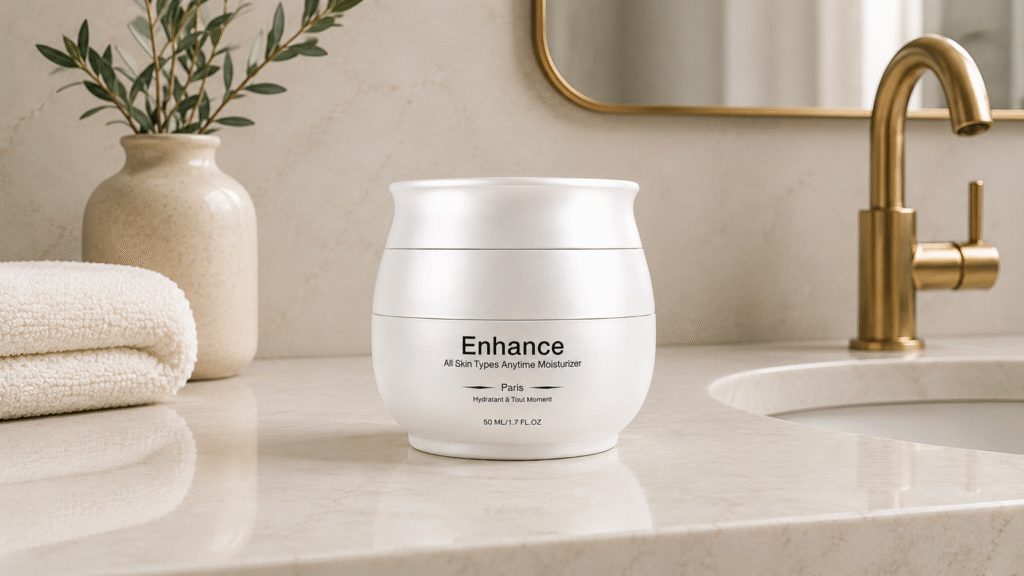
Mosheko Enhance Moisturizer
$89.99


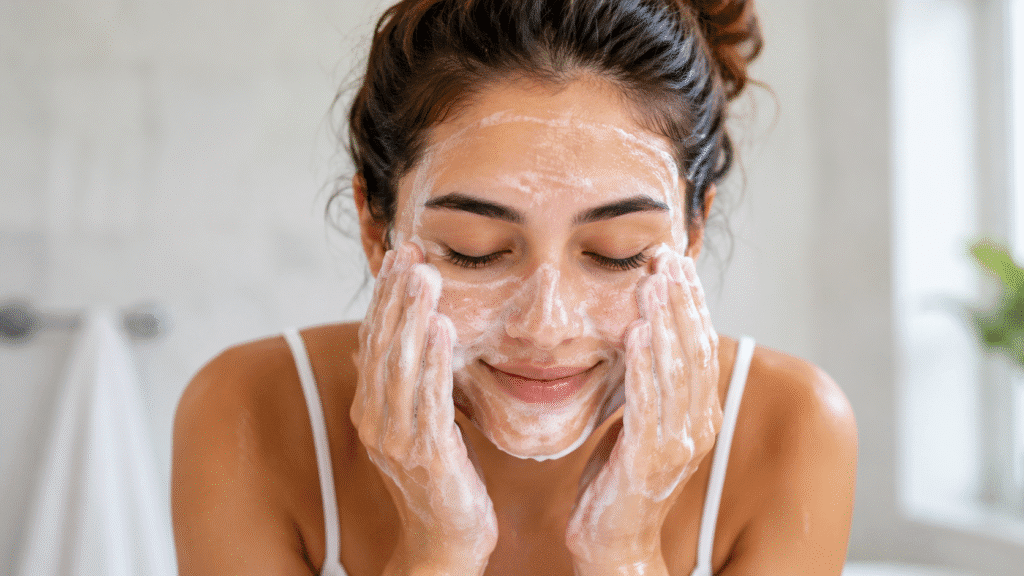
Many people believe that washing the face more frequently automatically leads to clearer skin. Since acne is often associated with oil, dirt, and clogged pores, it may seem logical to cleanse the skin repeatedly throughout the day. However, skincare is all about balance, and excessive cleansing may sometimes create more problems instead of improving the skin.
This is why many people are learning that washing your face too much can cause acne. While cleansing is essential for removing sweat, excess oil, makeup, and buildup, overwashing may disrupt the skin barrier and affect the skin’s natural balance. Many readers even search using phrases like “can washing your face too much cause acne,” “washing your face too much can cause acne,” or “washing face too much cause acne” when exploring this topic.
Understanding why washing your face too much can cause acne may help explain why some people experience increased breakouts, irritation, or oiliness even when they are cleansing frequently.
In some cases, washing your face too much can cause acne because excessive cleansing may weaken the skin barrier and strip away natural oils that help maintain skin balance.
When the skin loses too much moisture, it may try to compensate by producing more oil. This increase in oil production may contribute to clogged pores, congestion, and breakouts.
People researching why washing your face too much can cause acne often notice that their skin becomes:
despite cleansing several times a day.
The skin barrier plays an important role in maintaining healthy-looking skin.
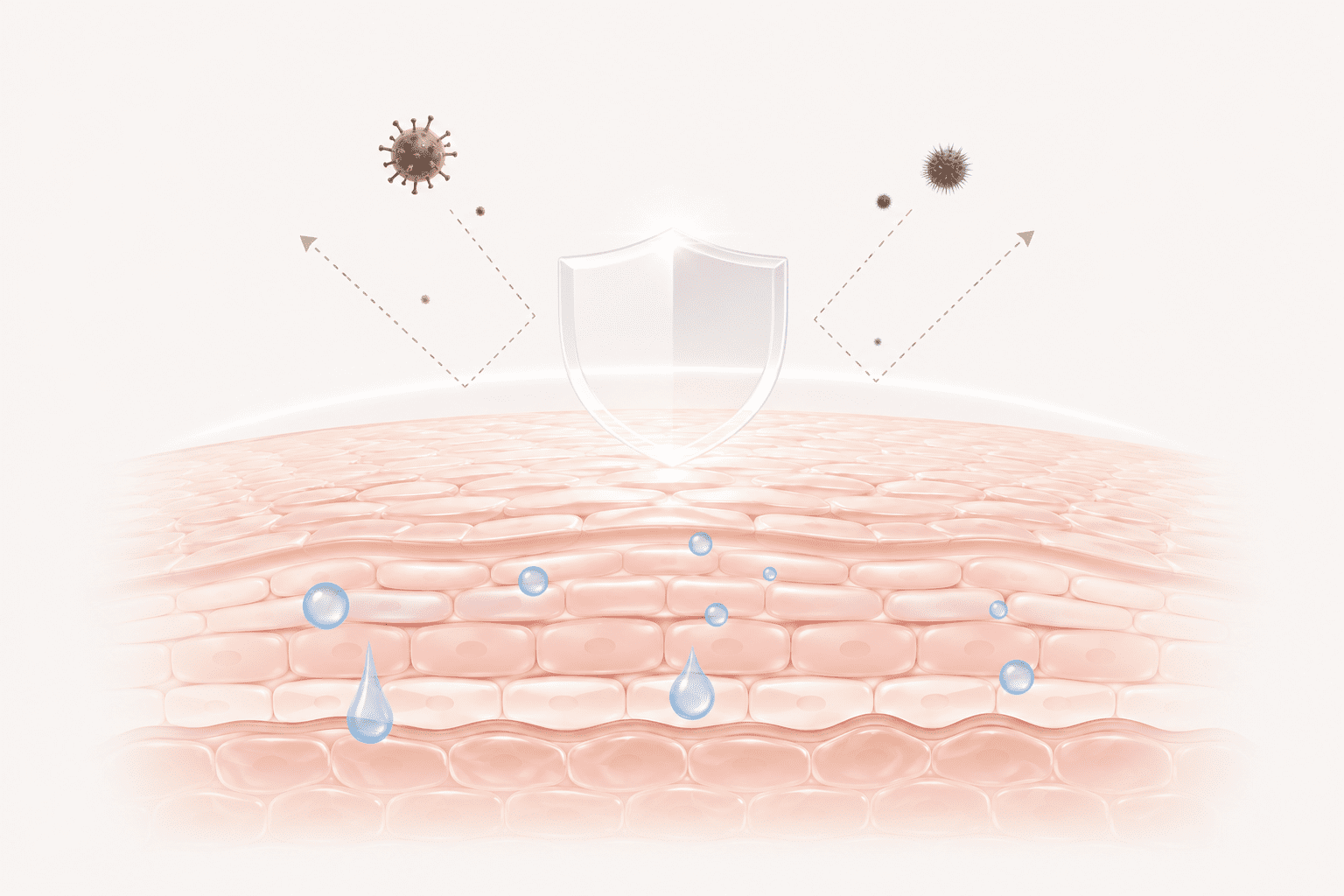
It helps:
When discussing why washing your face too much can cause acne, the skin barrier is one of the most important factors.
Over-cleansing may damage the barrier and leave the skin feeling:
Once the barrier becomes compromised, the skin may become more reactive and breakouts may become more noticeable.
One of the biggest misconceptions in skincare is that oily skin should be washed constantly.
However, washing your face too much can cause acne because excessive cleansing may encourage the skin to produce even more oil in response to moisture loss.
When the skin becomes stripped:
This is especially common in people with oily or combination skin types.
People learning that washing your face too much can cause acne may already notice signs of overwashing without realizing it.
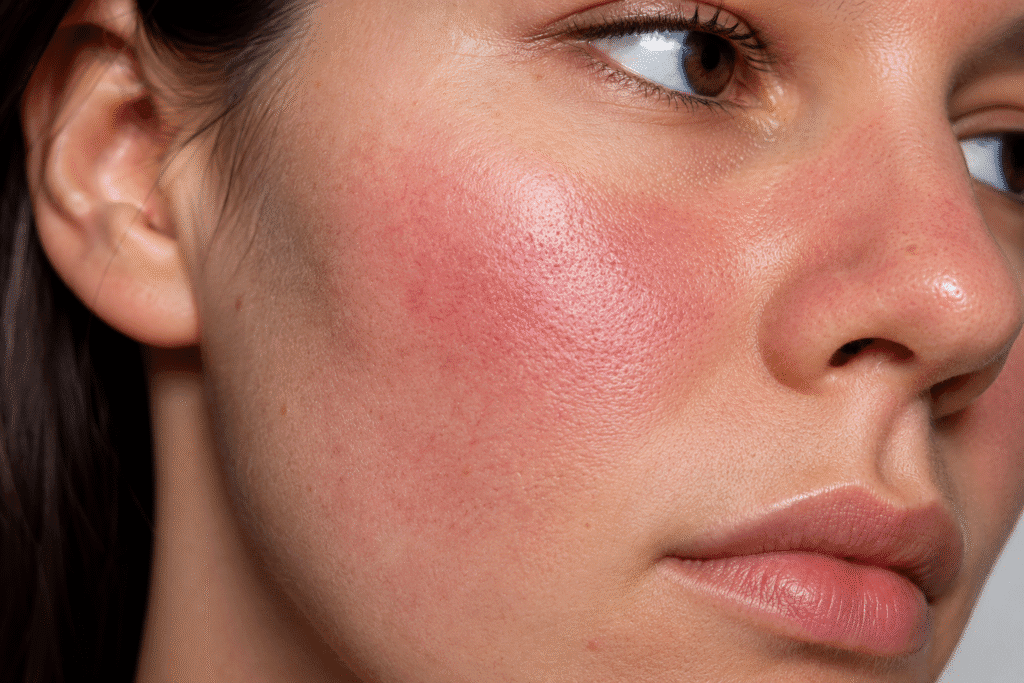
Common signs include:
Healthy skin usually feels balanced after cleansing rather than stripped or squeaky-clean.
For most people, washing the face twice daily is usually enough:
Additional cleansing may sometimes be helpful after heavy sweating or workouts, but repeatedly washing the face throughout the day may increase irritation and moisture loss.
This is one reason why washing your face too much can cause acne in certain situations.
The type of cleanser used also matters.
Some cleansers contain:
which may increase dryness and irritation. The Mayo Clinic recommends avoiding overly harsh skincare routines that may increase irritation and dryness.
When combined with frequent washing, these products may worsen the imbalance associated with washing your face too much can cause acne.
Gentle cleansers that support hydration are often preferred for maintaining healthier-looking skin.
Some people assume that tight or squeaky-clean skin means the cleanser is working effectively.
In reality, tightness after cleansing may indicate:
This is another reason why washing your face too much can cause acne in some individuals.
Balanced skin generally feels comfortable and soft after cleansing instead of overly dry or stripped.
Many people who overwash their skin also over-exfoliate at the same time.
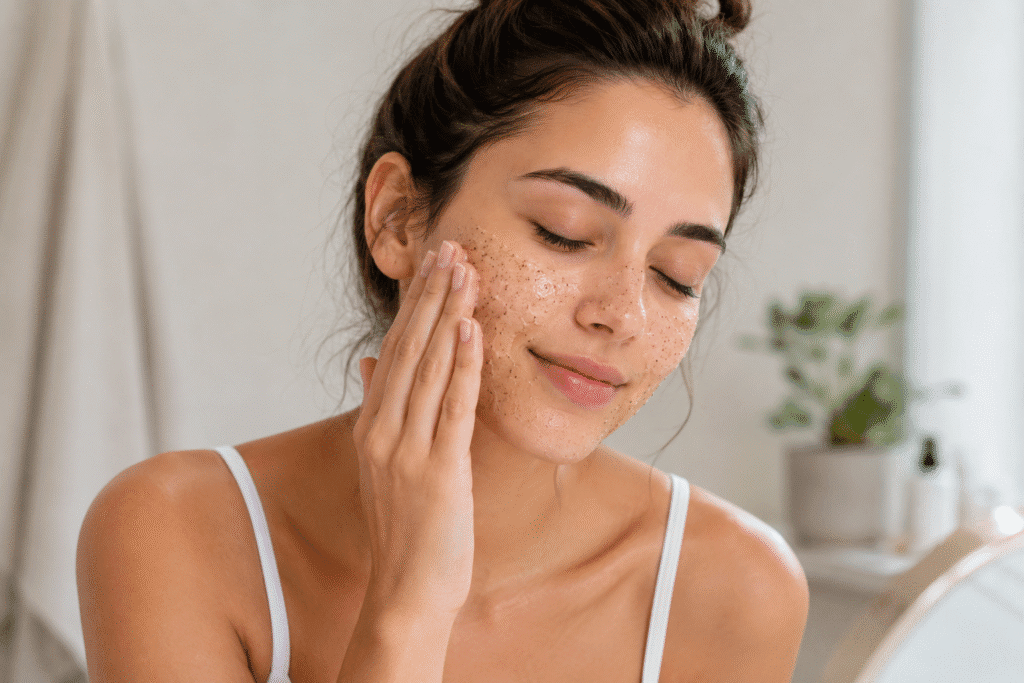
Using too many:
may further weaken the skin barrier.
When discussing why washing your face too much can cause acne, over-exfoliation is often another contributing factor because it may increase irritation and skin sensitivity.
Yes. Even oily skin can become dehydrated.
This is important because many people with oily skin overwash their face trying to control shine. Unfortunately, washing your face too much can cause acne by creating an imbalance between oil production and hydration.
When oily skin becomes dehydrated:
Balanced hydration remains important for all skin types.
Hydration plays a major role in maintaining healthier-looking skin.
When the skin is properly hydrated:
Using lightweight moisturizers like the Mosheko Enhance Moisturizer may help support balanced hydration after cleansing without feeling overly heavy on the skin.
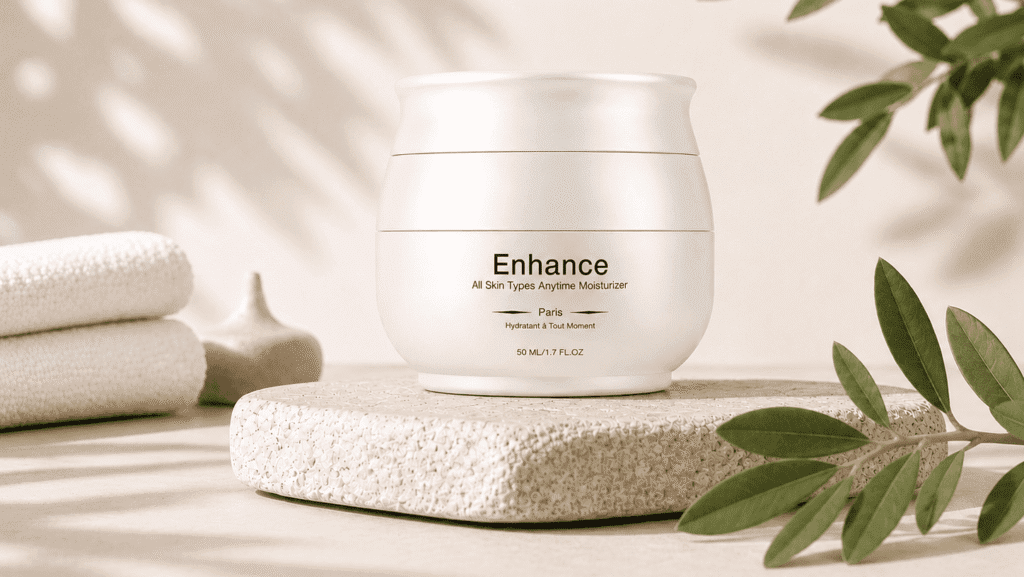
Several skincare ingredients are commonly associated with hydration and barrier support.
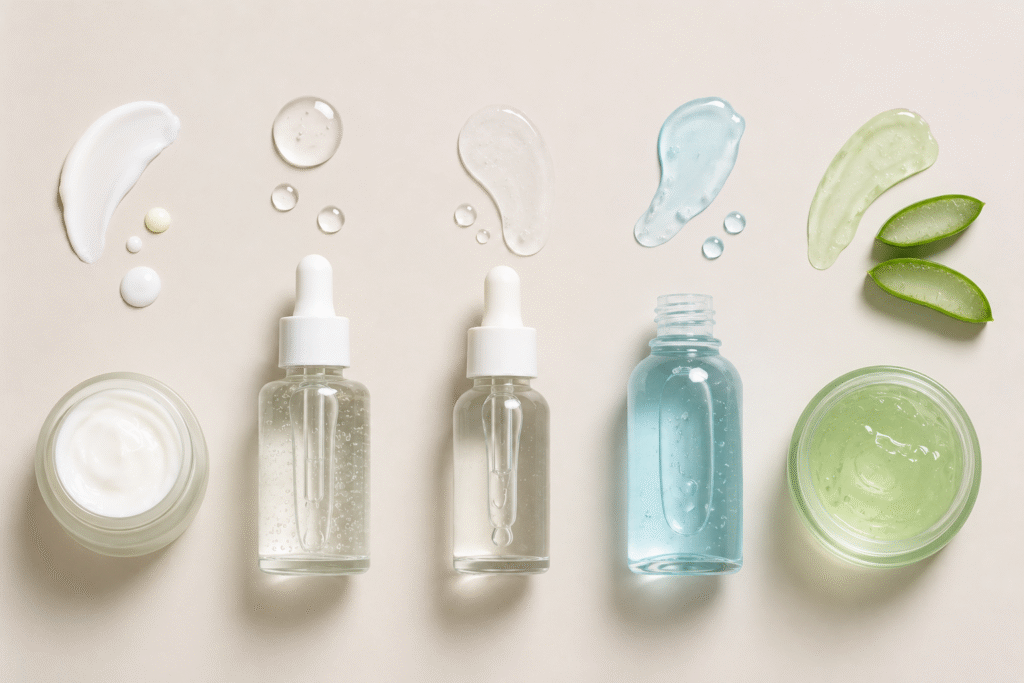
These include:
People researching why washing your face too much can cause acne often focus on gentle skincare ingredients that help maintain skin comfort and moisture balance.
Some cleansing habits may worsen irritation and imbalance.
Common mistakes include:
Balanced skincare routines are usually more effective long term than aggressive cleansing habits.
Yes. Acne is usually influenced by multiple factors including:
This means that while washing your face too much can cause acne in some situations, other contributing factors may also affect the skin.
Gentle cleansing helps:
Healthy-looking skin often benefits more from consistency and balance rather than aggressive cleansing routines.
A: Yes. Excessive cleansing may strip the skin of its natural moisture and disrupt the skin barrier, which may contribute to increased oil production and breakouts.
A: For most people, washing the face twice daily is generally enough to keep the skin clean without over-drying it.
When the skin loses too much moisture, it may try to compensate by producing more oil, which may contribute to congestion and acne.
Yes. Oily skin still benefits from balanced hydration to help maintain skin comfort and moisture balance.
Ingredients like ceramides, hyaluronic acid, panthenol, niacinamide, and aloe vera are commonly associated with hydration and barrier support.

Understanding why washing your face too much can cause acne may help explain why excessive cleansing sometimes leads to more irritation, oiliness, and breakouts instead of clearer skin.
While cleansing is an important part of skincare, balance is essential. Overwashing may weaken the skin barrier and disrupt moisture balance, especially when combined with harsh cleansers or excessive exfoliation.
Focusing on gentle cleansing, hydration, consistent moisturization, and barrier support is often a better long-term approach for maintaining healthier-looking skin.
$89.99